Trimming the Margins
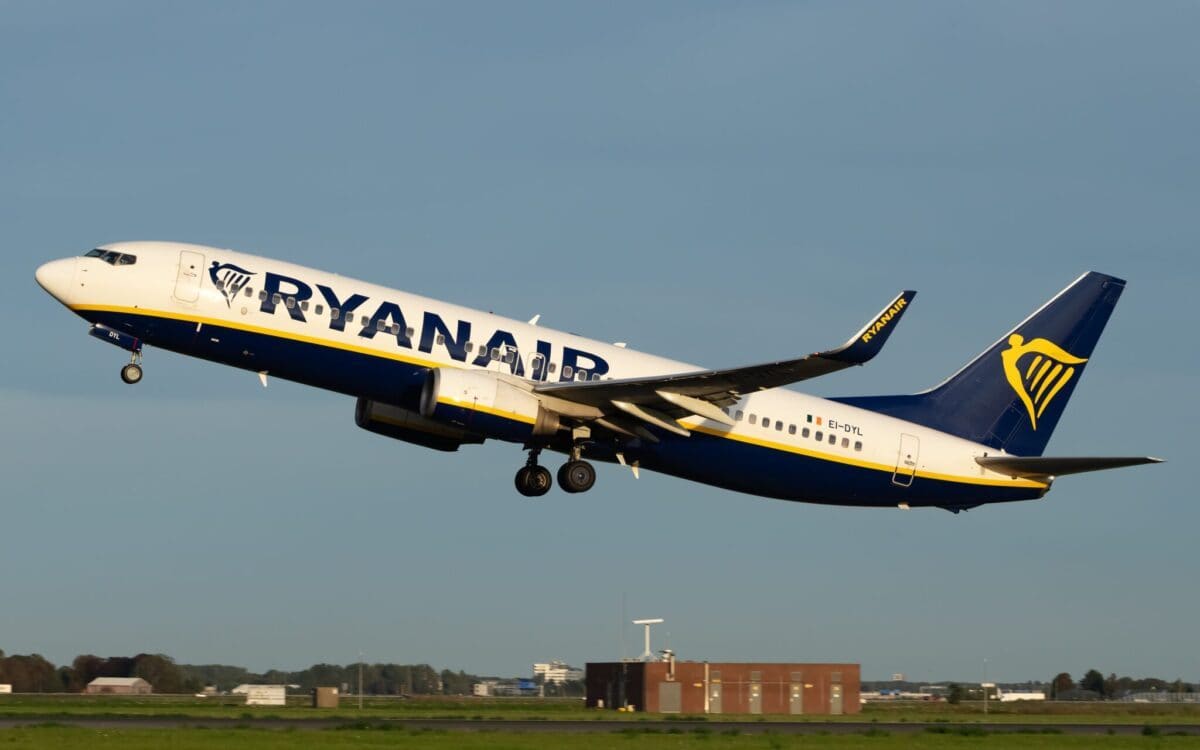
Ryanair has revised its full-year passenger forecast downward by 2 million, bringing the new target to 214 million. The Irish carrier announced the adjustment this week, pointing to rising fuel costs that make some winter routes uneconomical. The cuts will land squarely in the November-to-March window, when demand typically softens and yields drop.
The move is striking for an airline that has spent years expanding relentlessly, often at the expense of rivals. But even Ryanair, which runs one of the leanest cost structures in the industry, is not immune to the squeeze when fuel bills climb and winter bookings slow.
Summer, by contrast, has been robust. In August alone, Ryanair carried 22.2 million passengers, a 6% increase over the same month last year. Load factor held steady at 96%, meaning nearly every seat was filled. The airline operated more than 120,500 flights during the month, despite canceling 400 due to volcanic eruptions at Mount Etna in Sicily. Over the twelve months ending in August, the carrier moved 214.4 million passengers, up 5% year-on-year.
The Fuel Calculus
Fuel hedging has long been a cornerstone of Ryanair's strategy. The airline locks in prices well in advance, insulating itself from the kind of volatility that can wreck a winter P&L. But even with a hedge in place, the carrier is feeling the pinch. Unhedged portions of its fuel bill are rising, and that is enough to make marginal winter routes look unappealing.
The decision to pull back suggests that Ryanair sees little upside in flying half-empty planes through the cold months just to maintain market share. The airline has never been sentimental about capacity. If a route does not pay, it does not fly.
That discipline is likely to put pressure on competitors with weaker hedges or higher cost bases. Smaller carriers, especially those without the same fuel protection, may find themselves squeezed between rising input costs and soft demand. Ryanair has historically used downturns to consolidate its position, and this winter could follow that pattern.
What It Means for the Winter Map
The capacity reduction will ripple through Ryanair's network, though the airline has not specified which routes or airports will bear the brunt. Historically, the carrier has been willing to shrink in markets where yields disappoint or where airport fees climb. Vienna, Dublin, and Berlin have all seen Ryanair pull back in recent years, while the airline has pushed into newer markets in Albania, Morocco, and other parts of North Africa and the Balkans.
Winter is always a tougher sell in Europe's short-haul market. Leisure travelers stay home, business traffic thins, and airlines compete for a smaller pool of passengers. Ryanair's decision to trim capacity now suggests it expects those dynamics to intensify this year, with fuel costs adding an extra layer of difficulty.
The reduction also reflects a broader shift in the industry. After years of chasing growth at almost any cost, airlines are becoming more selective about where and when they deploy capacity. Profitability is taking precedence over market share, especially in off-peak periods.
The Bigger Picture
Ryanair's summer performance underscores the unevenness of the current travel environment. Peak-season demand remains strong, with passengers willing to pay and planes flying full. But the shoulder and off-peak periods are looking less forgiving, particularly for airlines without the cost advantages or hedging strategies to weather a margin squeeze.
The carrier's ability to adjust quickly is one of its core strengths. Unlike legacy airlines with complex networks and union constraints, Ryanair can redeploy aircraft, cancel routes, and shift schedules with relative ease. That flexibility is especially valuable in a market where fuel prices can swing unpredictably and demand patterns are still settling after years of pandemic disruption.
For travelers, the capacity cuts may translate into fewer cheap seats on certain winter routes and potentially higher fares as supply tightens. For competitors, the message is clear: if Ryanair, with its hedging advantage and cost discipline, is pulling back, the winter ahead will be challenging for anyone less prepared.