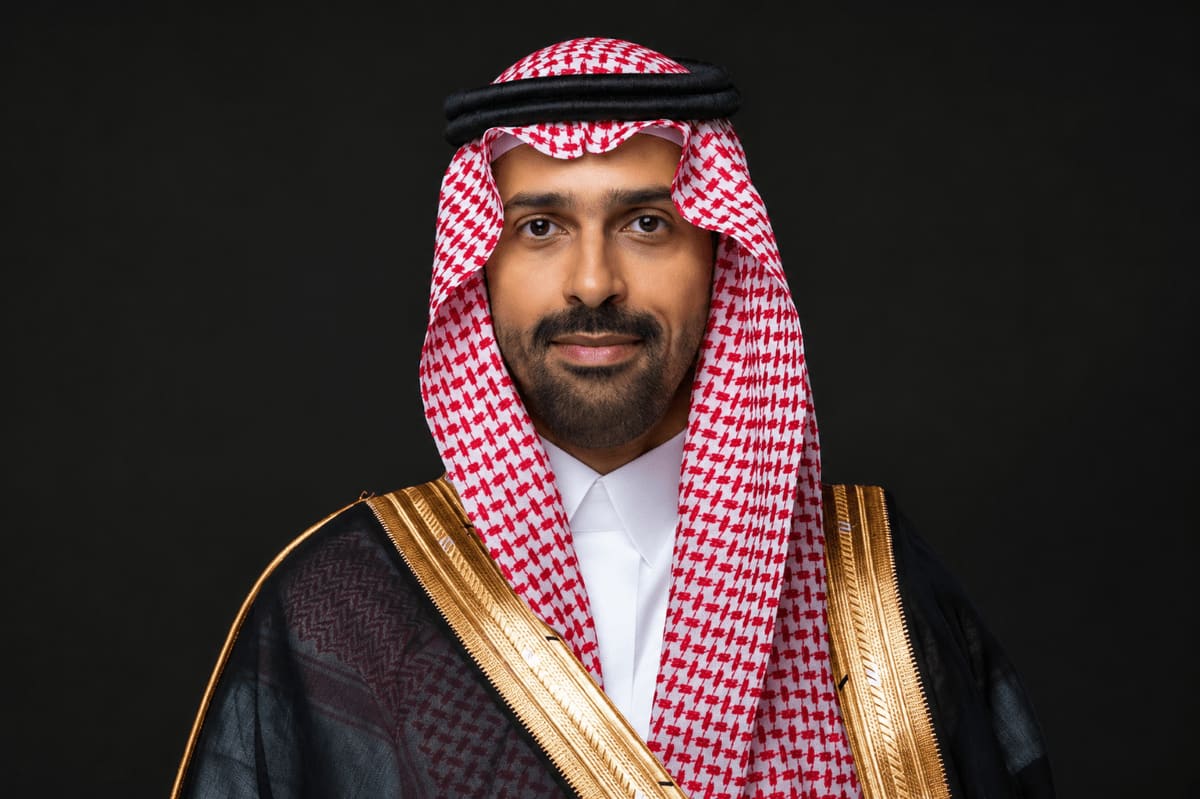
A New Face at the Top
Saudi Arabia's Tourism Authority confirmed Ageel Alshaibani as its new chief executive this week, filling a seat left vacant since May. The appointment comes at a moment when the kingdom is rethinking how much capital it pours into the tourism mega-projects that were supposed to anchor its economic transformation.
Alshaibani steps into a role previously held by Fahd Hamidaddin, who departed after seven years of steering the authority through a period of rapid expansion and international repositioning. The timing is notable: the Public Investment Fund, Saudi Arabia's sovereign wealth vehicle, has begun pulling back on some of the large-scale developments that were designed to draw international visitors by the tens of millions.
Background and Experience
Alshaibani is not an outsider. He served as deputy minister of tourism for strategic planning and monitoring, where he helped shape the National Tourism Strategy that underpins the kingdom's 150-million-visitor ambition. Before that, he spent time at McKinsey and the Mohammed bin Salman Foundation, and held board seats at the Saudi Red Sea Authority, Jeddah Airports Company, and the General Entertainment Authority, according to the Saudi Tourism Authority.
That portfolio gives him familiarity with the infrastructure, entertainment, and aviation components that the kingdom has been assembling to support its tourism push. It also means he understands the interdependencies between policy, capital deployment, and on-the-ground delivery.
The 150-Million Question
The number that defines Saudi tourism ambition is 150 million. That is the visitor target the kingdom set for itself under Vision 2030, a figure that would require a dramatic acceleration from current levels. The challenge is that much of the planned capacity was to come from giga-projects like Neom, the Red Sea Development, and Sindalah, futuristic resort complexes built from scratch in remote locations.
Now, with the Public Investment Fund reportedly recalibrating its spending priorities and shifting focus toward artificial intelligence and other technology sectors, the pipeline of new hotel rooms, entertainment districts, and transport links may not arrive on the original schedule. That leaves Alshaibani with a narrower toolkit than his predecessor had, at least on paper.
Diversifying Beyond the Hajj
Saudi Arabia already draws millions of visitors each year, but the majority are either domestic travelers or religious pilgrims arriving for Hajj and Umrah. To hit 150 million, the kingdom needs to broaden its appeal to leisure travelers, business delegates, and cultural tourists who have historically chosen Dubai, Abu Dhabi, or other Gulf hubs.
That diversification has been underway for several years. The kingdom has eased visa rules, invested in entertainment infrastructure, and hosted high-profile sporting and music events. Yet the capital-intensive resorts and attractions that were meant to provide the physical draw are now subject to budget scrutiny.
What the Pullback Means
The Public Investment Fund's shift is not a wholesale retreat, but it does signal a more selective approach. Some projects will proceed; others may be delayed, downsized, or rethought. For tourism planners, that introduces uncertainty. Hotel groups, airlines, and tour operators make long-term bets based on projected capacity and government commitment. When that commitment appears to waver, investment decisions slow.
At the same time, the fund's pivot toward artificial intelligence and technology sectors reflects a broader recognition that oil-dependent economies need multiple engines of growth. Tourism remains part of that mix, but it is no longer the singular focus it once was.
The Road Ahead
Alshaibani inherits a strategy that is ambitious by any measure. Reaching 150 million visitors will require not just new hotels and attractions, but also changes in perception, service standards, and the ease of travel. The kingdom has made progress on all three fronts, but the pace of that progress is now tied to fiscal realities that were less prominent when Vision 2030 was first unveiled.
Tourism Minister Ahmed Al Khateeb expressed confidence in the new appointment, noting Alshaibani's experience and strategic acumen. The question is whether strategy alone can compensate for slower capital deployment, or whether the 150-million target will need to be revisited as the kingdom adjusts its priorities.
For now, Saudi Arabia remains committed to its tourism transformation. The appointment of a new CEO signals continuity in that commitment, even as the financial architecture supporting it shifts beneath the surface.