A Capital That Doubles as a Coastal Retreat
Stockholm sits at the center of roughly 30,000 islands and islets that stretch into the Baltic, creating a rare situation where urban exploration and seaside escape occupy the same itinerary. Public ferries run year-round from central docks to these islands, making it straightforward to shift from museum visits to rocky swimming spots within an afternoon.
The appeal is expanding beyond Scandinavian regulars. Sweden recorded 7.58 million guest nights in June 2026, according to national tourism data, while Norway saw foreign guest nights climb 17 percent from July 2024. The shift tracks with rising temperatures across southern Europe, where mid-30C readings have become standard summer fare. Sweden's 20-25C range, paired with extended daylight, offers a different rhythm.
Island Hopping Without the Crowds
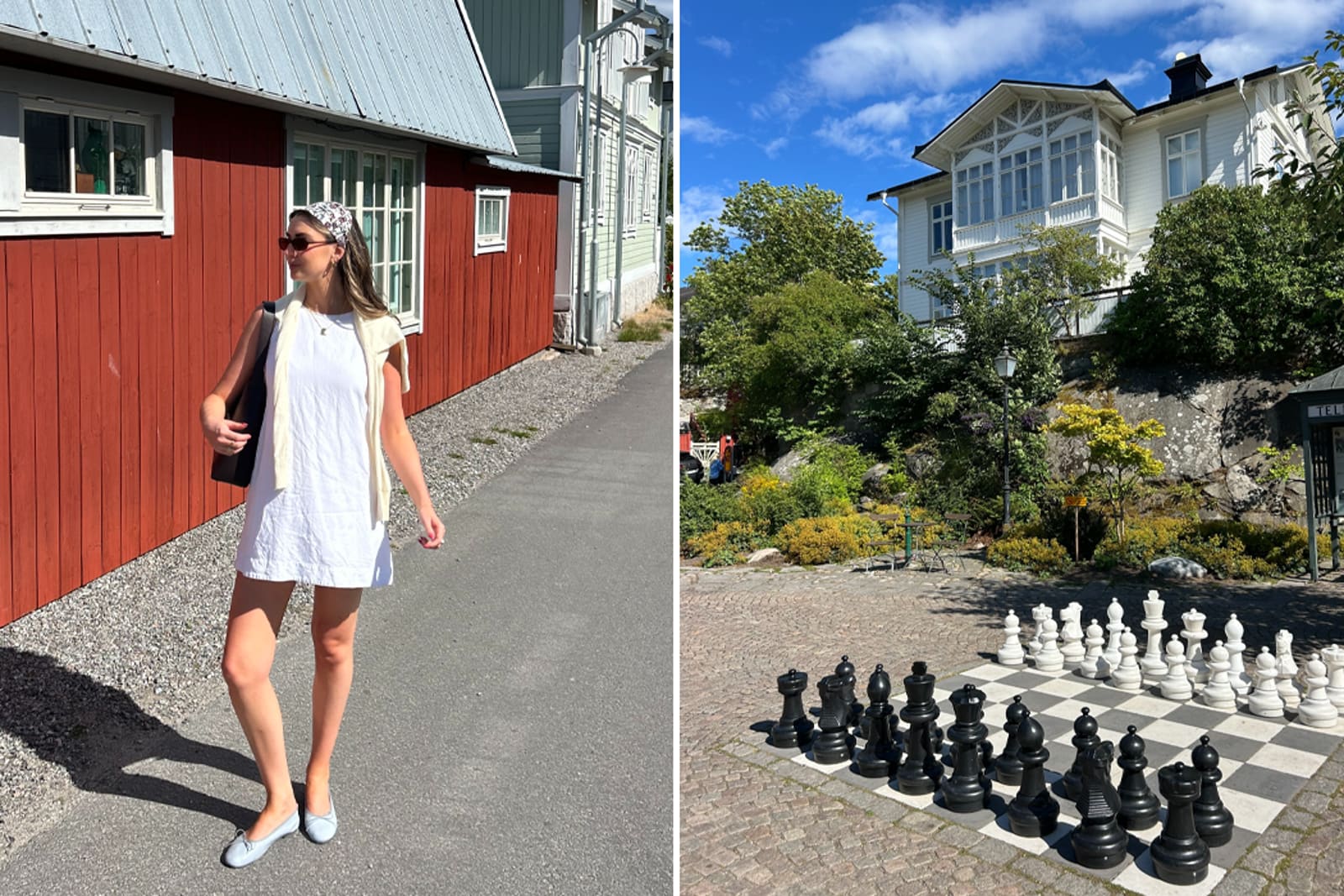
Vaxholm, the archipelago's historic capital, sits about an hour by boat from central Stockholm. The town's 19th-century wooden houses line the waterfront in pastel shades, and a 16th-century fortress anchors the harbor. Rocky shorelines provide swimming access to the Baltic, though the water temperature lives up to its name.
Local cafes lean into traditional fika culture. At Hembygdsgårds, a former resident's home turned cafe, the cake selection is displayed on a self-service table that rivals the main attraction. Magasinet, an old smithy converted into a waterfront bar, draws afternoon crowds after nature reserve walks and sea dips.
Closer islands require less planning. Fjäderholmarna can be covered in a morning, while Djurgården merits a full day. The latter houses the Vasa Museum, where a 17th-century warship recovered from the harbor floor dominates the gallery space. The ABBA Museum and Skansen, the world's oldest open-air museum, also occupy the island.
Wellness Rooted in Cold Water and Saunas
Nordic wellness practices center on sauna heat followed by cold plunges, a cycle that predates modern spa culture. Yasuragi, located among pines in the archipelago, blends Swedish bastu rituals with Japanese-inspired design. The thermal bathhouses function as social spaces where guests linger over wine and tea as evening stretches on under the late-setting sun.
Ellery Beach House takes a different approach, with three outdoor pools, a sea-view wooden sauna, and spa facilities that appeal equally to locals and visitors. The focus shifts from elaborate treatments to outdoor immersion and communal relaxation.
This stripped-down approach reflects a broader trend. "Viking wellness" emphasizes nature exposure and temperature contrast over lengthy treatment menus. The method aligns with Stockholm's geography, where water access is never far and outdoor activity remains central to daily life even in urban districts.
Design, Fashion, and Market Halls
Stockholm's design heritage shows up in both hotel interiors and retail spaces. Ett Hem, a 1910 townhouse redesigned by Ilse Crawford, operates more like a private residence than a hotel, with Swedish craftsmanship and contemporary furnishings throughout. Villa Dahlia brings Italian influences to Vasastan, while Hotel Diplomat offers Art Nouveau details along Strandvägen.
The city's fashion footprint runs from global brands to archive stores. Acne Studios and Toteme maintain flagship locations, while vintage shops such as Nitty Gritty on Södermalm and the Our Legacy workshop offer alternatives to full-price retail. Svenskt Tenn, a design company founded in 1924, operates a showroom that functions as both store and historical display.
Food culture extends beyond the expected meatballs, though Restaurant Tradition, Pelikan, and Tennstopet serve reliable versions. Lillebrors Bageri and Stora Bageriet handle morning pastries and cardamom buns, while Östermalms Saluhall, a market hall operating since 1888, covers lunch. Waterfront bars and terraces fill in the evenings, with Norr Mälarstrand, Angbatsbryggan, and Strandbryggan among the summer regulars.
Logistics and Access
Flights from major UK airports to Stockholm Arlanda take around two and a half hours. The Arlanda Express shuttle train reaches the city center in under 20 minutes; taxis take closer to 30. Once in Stockholm, the public ferry network connects central docks such as Strömkajen and Nybroviken to archipelago islands throughout the year.
The infrastructure supports flexible itineraries. Travelers can rent boats for self-guided routes or stick with scheduled ferry services that operate frequently during summer months. Kayaking through the archipelago's calmer waters offers another option, though it requires more time and stamina.
What the Shift Signals
The movement toward northern destinations reflects practical concerns as much as aesthetic ones. Extreme heat limits outdoor activity during peak Mediterranean summer hours, while wildfire risk and water shortages add unpredictability. Stockholm's cooler temperatures keep hiking, cycling, and waterfront dining comfortable throughout the day.
The trend also points to changing definitions of a beach holiday. Stockholm offers no sandy Mediterranean shoreline, but its granite rocks, pine-edged islands, and clear Baltic waters present a different version of coastal relaxation. The city's combination of urban culture and immediate nature access creates a hybrid model that works for travelers who want both without choosing between them.
Whether this marks a lasting shift or a temporary response to unusually hot southern summers remains unclear. For now, Sweden's capital is capitalizing on its geography and climate to offer an alternative that feels less like competition and more like a separate category altogether.