A Port City Built on Migration and Modernity
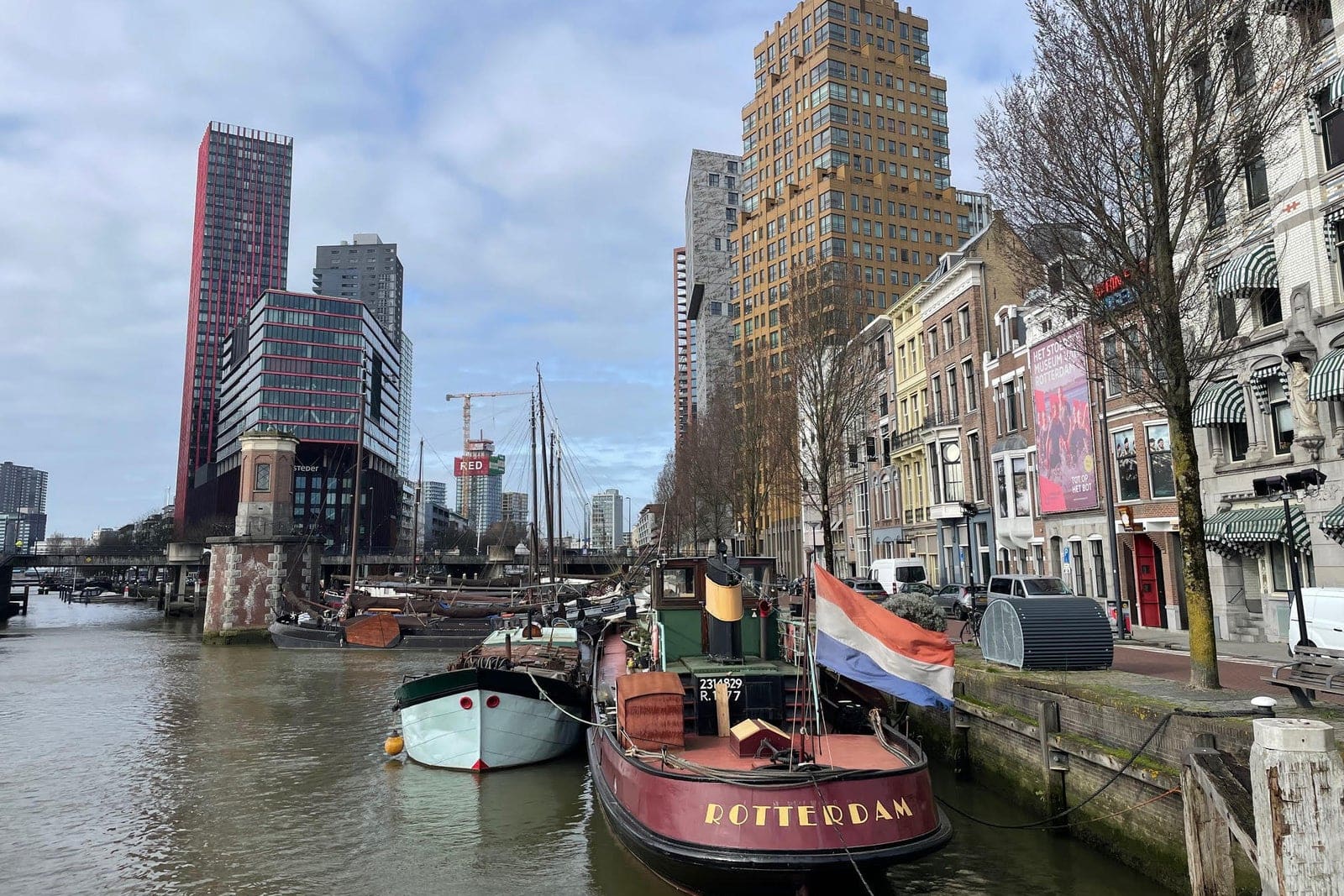
Rotterdam doesn't resemble most European tourist magnets. The 1940 Nazi bombings destroyed much of the city, forcing a near-total rebuild. What emerged lacks the gabled houses and canal-side charm that draw crowds to Amsterdam, but the reconstruction created something else: a contemporary city designed for movement, diversity, and function.
The Netherlands' second-largest city remains Europe's biggest port. Its population of around 180 nationalities reflects decades of migration tied to maritime trade. Half the residents have non-Dutch backgrounds, a demographic reality visible in the architecture, food, and museum offerings. For families traveling with young children, that translates to varied attractions, accessible infrastructure, and dining spots that expect kids rather than merely tolerate them.
The city is flat, making stroller navigation straightforward. Dedicated cycle lanes run throughout, though cyclists move fast and rarely yield. Metro stations and public buildings include lifts. Water taxis cross the River Nieuwe Maas, offering quick transit and a toddler-friendly activity in one.
Museums That Double as Play Spaces
Fenix, Rotterdam's newest museum, opened to document migration stories through donated suitcases and life-size photo installations. Visitors scan tickets to hear accounts from wealthy businessmen and refugees who faced repeated rejections before securing residency. The interactive format holds attention spans better than static exhibits, even if the content skews toward older audiences.
The Maritime Museum delivers more directly for families. Its Plons! Future of the Sea exhibition includes a pirate ship kitchen, a fish-design coloring station, and a digital wall mural where projected sea creatures respond to touch. Adults can test oil rig equipment simulations, operate virtual cranes, and practice helicopter landings on sea platforms. The museum ties its interactivity to Rotterdam's working port rather than generic ocean themes.
Museum Boijmans Van Beuningen operates the world's first publicly accessible art storage facility. Its rooftop offers city views, while the interior displays fashion, pottery, furniture, and paintings, including a restored Van Gogh work, Poplars near Nuenen. Visitors peer through glass into climate-controlled storage lockers holding pieces awaiting exhibition rotation. Ten-minute guided tours allow entry into the storage areas, though advance booking is required.
Architectural Oddities and Historic Docks
The Cube Houses, designed by architect Piet Blom, tilt at 45-degree angles to create "tree-like" living spaces above street level. The Kijk-Kubus museum occupies one unit, letting visitors navigate the tight, stair-heavy interior. Strollers must stay outside.
Nearby, the Oude Haven (Old Harbour) preserves a slice of the city's immigrant history. The Witte Huis, once Europe's first skyscraper, anchors one end of the dock. Bars and restaurants line the opposite side. The area offers a visual contrast to Rotterdam's modernist core, though it functions more as a pleasant walk than a destination with specific activities.
Dining Spaces Built Around Family Logistics
The Pancake Boat combines sightseeing with a 90-minute harbor tour and unlimited sweet and savory pancakes. A below-deck ball pit keeps younger passengers occupied. It's a novelty experience that solves the problem of keeping toddlers entertained on a boat.
Little V, a Vietnamese restaurant, includes a small play area with books and a wooden kitchen near select tables. The toilets feature built-in toddler seats. Menu highlights include bao buns and crispy pork-and-shrimp pancakes served with iced tea. The setup acknowledges that parents need to eat in peace occasionally.
Bazar draws crowds with colorful interiors and large portions of Middle Eastern and North African dishes. Platters of hummus, pita, stews, and kebabs arrive in quantities that exceed typical children's portions. The buzzy atmosphere absorbs kid noise better than quieter venues.
Markethal operates as a large food hall with over 100 stalls under a mural-decorated roof. Options range from cheese and deli meats to fresh herring and chips. The variety solves decision fatigue when traveling groups can't agree on cuisine.
Station Bergweg, a food court in a former train station, offers pizza, pinchos, sushi, and slow-cooked meats under one roof. The Basque cheesecake from Burnt and the brisket from Three Sixty both merit trying.
The Logistics of Getting There
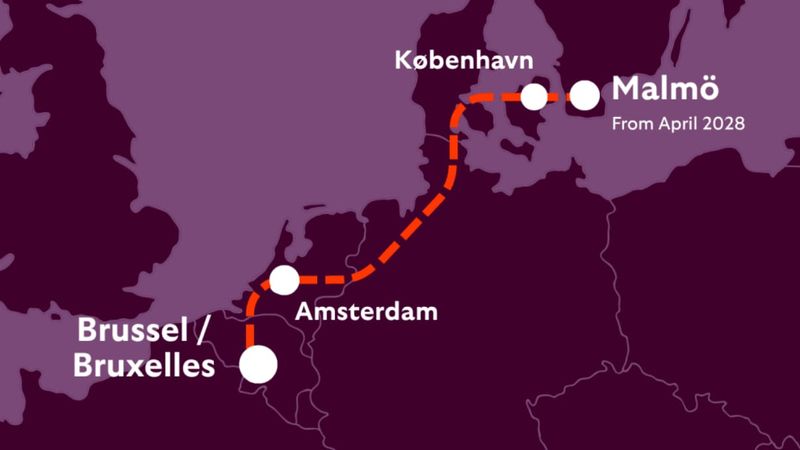
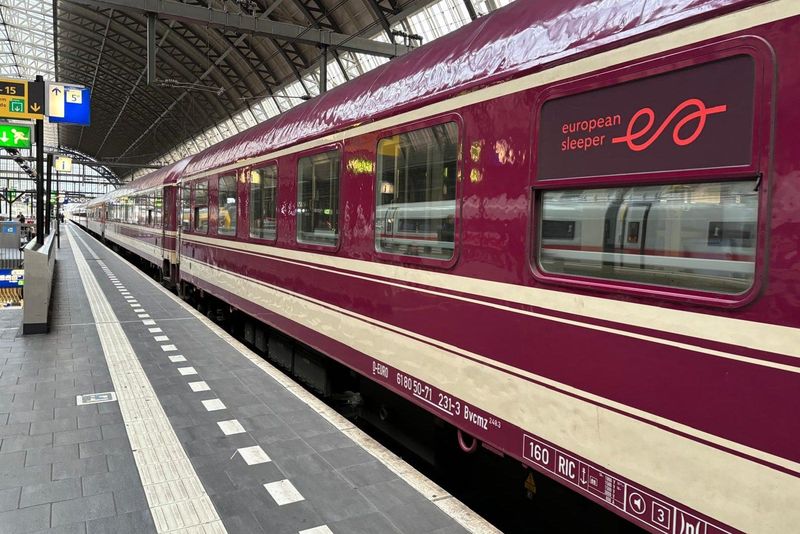
Eurostar runs five days weekly from London St Pancras International to Rotterdam Central, a journey of three hours and 16 minutes with stops in Lille and Brussels. Once in the city, the Metro, tram, and bus system operates through the RET app, which handles tickets and route planning. Lifts appear in every Metro station visited, accommodating strollers without requiring collapsing or carrying.
Hotel New York, the former Holland-America Line headquarters, sits at the end of a peninsula with water views on three sides. Rooms include steamer trunks and ship lights as decor. For families, the hotel provides cots, toddler duvets, and changing mats. The ground-floor restaurant serves breakfast, cocktails, oysters, and fish by the gram, with plenty of highchairs and a children's menu.
Why Rotterdam Feels Different
City breaks with toddlers often mean choosing between child-focused attractions and adult interests. Rotterdam's mix of interactive museums tied to real industry, accessible infrastructure, and dining spaces designed for mixed-age groups reduces that trade-off. The city doesn't market itself as a family destination the way theme park regions do, but its practical design and diverse population create an environment where young children are expected rather than exceptional.
The lack of traditional tourist charm works in its favor for families seeking something beyond cobblestones and canals. The contemporary rebuild means fewer stairs, more lifts, and wider sidewalks. The migrant heritage translates to food variety and cultural institutions that prioritize storytelling over artifacts behind glass. For parents willing to swap postcard scenery for functional ease, Rotterdam delivers a city break that doesn't require constant compromise.