A Bigger Ambition
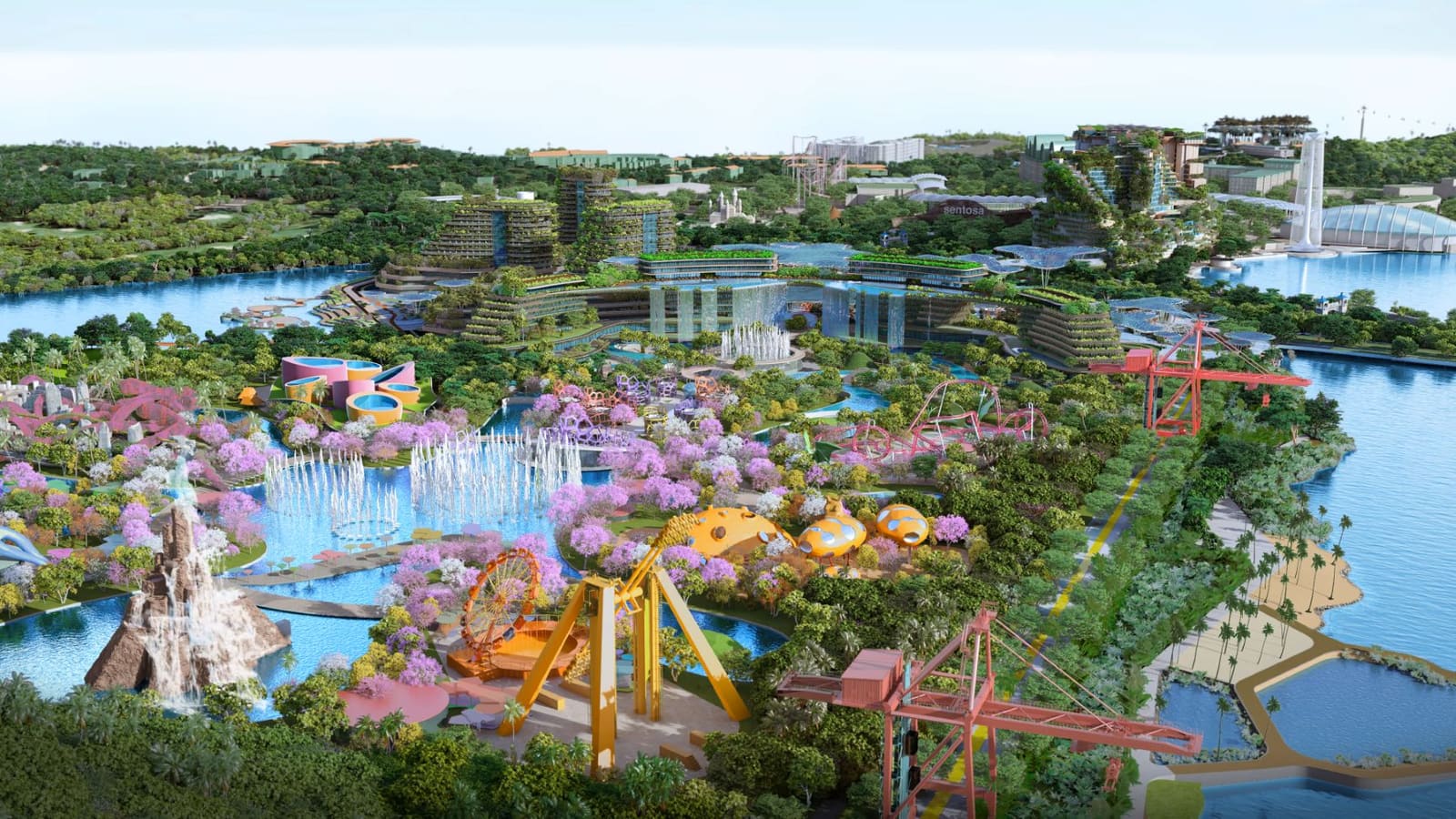
Singapore has spent decades positioning Sentosa as its go-to leisure island, but the latest blueprint takes that ambition much further. The Greater Sentosa Master Plan, unveiled recently, maps out a transformation that will stretch across two islands and twenty years, reshaping not just Sentosa itself but also neighbouring Pulau Brani, which currently houses port operations.
The project sits within the wider Greater Southern Waterfront development, a scheme that reimagines roughly thirty kilometres of Singapore's southern coastline. Between April 2024 and March 2025, Sentosa logged 16.9 million visitors, according to the Sentosa Development Corporation. The long-term target is to double that figure as new attractions, transport links and green corridors come online through the 2030s and into the 2040s.
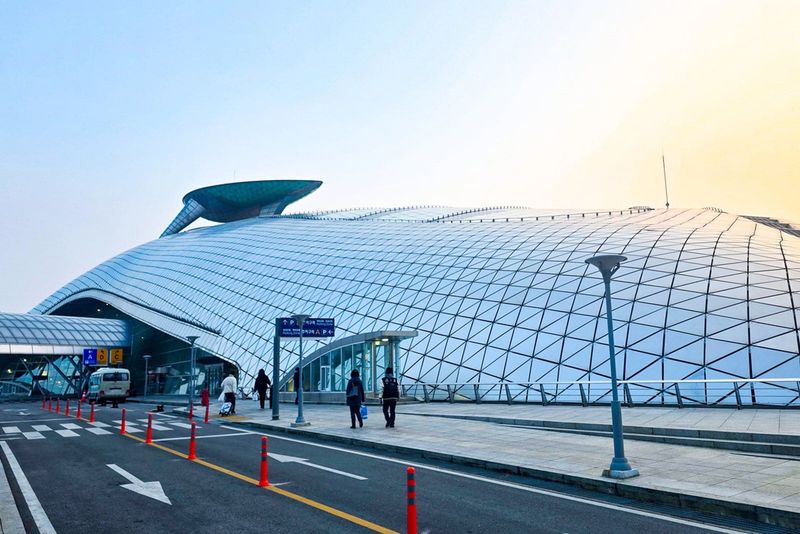
The first phase is expected to open in the early 2030s, coinciding with the completion of Changi Airport's Terminal 5, which will significantly expand Singapore's inbound passenger capacity and align with the government's Tourism 2040 strategy.
Pulau Brani Gets a Second Life
One of the more dramatic shifts involves Pulau Brani, a 120-hectare island wedged between Sentosa and the mainland. Once port operations relocate to Tuas Port, the island will be redeveloped into what officials are calling a next-generation leisure destination.
A large site on Brani West has been earmarked for what the Sentosa Development Corporation describes as game-changing attractions, though specifics remain under wraps. The move signals a shift in how Singapore thinks about its industrial waterfront, repurposing land that has served logistical functions for decades into spaces designed for tourism and entertainment.
Meanwhile, Resorts World Sentosa will continue its own expansion with a Waterfront Lifestyle Development and the opening of Super Nintendo World, both slated for 2030.
New Corners, Old Forests
Elsewhere on Sentosa, several projects aim to blend entertainment with landscape. Along Siloso Beach, a new development called Sensorium will combine indoor attractions with public green spaces and flexible venues for festivals and concerts. Nearby, the Imbiah Canopy will rise as a hilltop destination featuring restaurants, shops and sheltered event spaces with views across Sentosa, Pulau Brani and the Southern Waterfront.
One of the earlier additions will be the Imbiah Lookout Walk, a sheltered elevated trail threading through the forest canopy. It will link the recently completed Sensoryscape to Imbiah Lookout and a broader network of walking paths.
The plan also calls for connecting the forests of Sentosa, Pulau Brani and Serapong into a single green corridor, which will eventually tie into the Southern Ridges on the mainland. New hotels will be designed to integrate more greenery, blending built structures with the island's existing landscape.
Grace Fu, Singapore's Minister for Sustainability and the Environment, framed the redevelopment as a way to balance energy with restoration. The goal, she noted, is to redefine Greater Sentosa as an island playground that is livelier and more exciting, while remaining thoughtful about what the island stands for.
Beaches, Boardwalks and Rising Water
The coastline will see its own series of upgrades. Siloso Beach will be the first to undergo rejuvenation, followed by Palawan and Tanjong beaches. Plans include new beach clubs, treetop dining and multi-purpose event spaces that extend activity from sunrise into the evening.
Offshore, six existing islets will be connected by floating boardwalks, creating an island-hopping route that also supports coastal protection measures as sea levels rise. The approach reflects a broader trend in Southeast Asian coastal development, where tourism infrastructure is increasingly designed with climate adaptation in mind.
Getting Around a Bigger Island
Transport will also be overhauled. A new Island Heart transport hub will serve as the main arrival gateway, connecting mainland Singapore with both Sentosa and Pulau Brani. The waterfront hub will feature a solar-powered canopy, hotels, restaurants and public spaces.
The existing 2.1-kilometre Sentosa Express monorail will eventually be replaced by a People Mover System with higher passenger capacity, while the Singapore Cable Car will remain in operation. The Sentosa Development Corporation is also exploring additional options, including water taxis, to improve connectivity across the expanded area.
The Balancing Act
As the masterplan unfolds, one of the trickier questions will be whether Sentosa can scale up without losing the character that made it popular in the first place. Thien Kwee Eng, chief executive of the Sentosa Development Corporation, acknowledged the tension, saying the goal is to grow Sentosa thoughtfully and protect the island's soul while making it easier to explore and enjoy.
The emphasis on green corridors, forest trails and climate-resilient coastline suggests an awareness that visitors increasingly expect destinations to deliver more than just rides and restaurants. At the same time, the sheer scale of the redevelopment and the target of doubling visitor numbers will test how well nature and entertainment can coexist on a relatively compact island.
The transformation also positions Greater Sentosa as a test case for how mature tourism markets adapt to shifting expectations around sustainability, public space and the role of nature in urban leisure. If the plan succeeds, it could offer a model for other island destinations grappling with similar pressures. If it tilts too far toward density and crowds, it risks becoming a cautionary tale about growth without guardrails.
For now, the timeline is long enough that early phases will reveal which direction the project is heading. Visitors in the early 2030s will get the first real sense of whether Greater Sentosa delivers on its promise of being both bolder and greener.