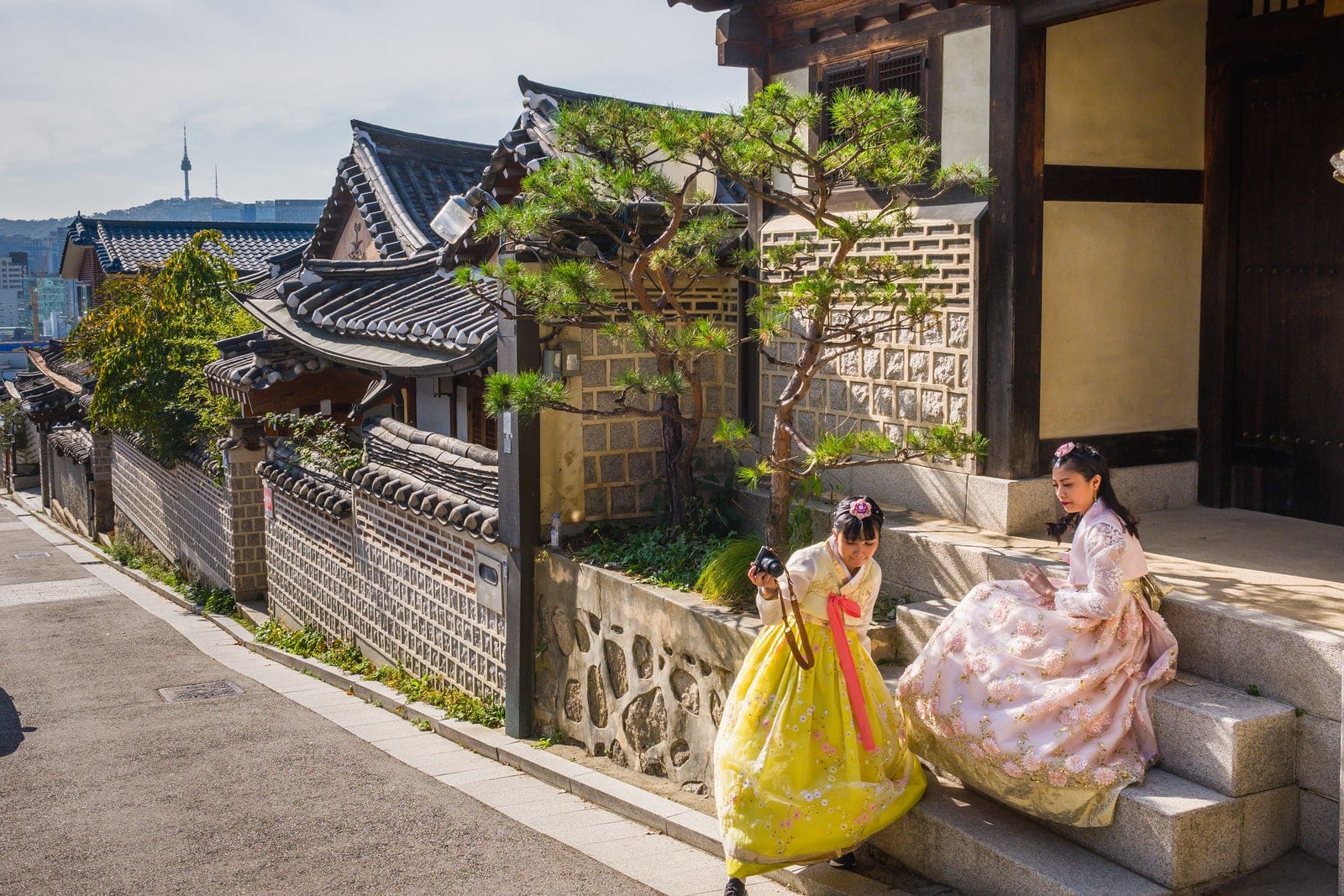
A Residential Neighborhood Under Pressure
In the heart of Seoul, just beside the first Joseon Dynasty palace, sits Bukchon Hanok Village. Around 900 traditional wooden houses cluster together on hilly streets, their wing-tipped roofs and low profiles creating a striking contrast to the city's skyline. But this is not a museum district. People live here, and the nearly 6.4 million annual visitors have prompted local authorities to station uniformed rangers and post signs asking for quiet. Curfews now regulate foot traffic.
The tension is understandable. Most of Seoul's nearly 9.6 million residents live in high-rise apartment blocks that rose rapidly after the 1960s. Traditional hanoks were sacrificed to that growth, and many more were lost during the Korean War and Japanese occupation. Today, only around 4,500 remain across the city, mostly in pockets of the central Jongno-gu area.
What Makes a Hanok Different
Traditional hanoks are single-story structures built entirely from natural materials: wood, clay, stone, and paper. Their layout once reflected Confucian social hierarchies, with rooms arranged by gender, age, and status. Kitchens featured large cast-iron cooking pots, while ornate hand-painted folding screens displayed motifs chosen for their symbolic meaning - mandarin ducks for marital harmony, mountains for protection.
The positioning of each house followed baesanimsu, a principle ensuring harmony with nature by placing mountains behind and water in front. Practical ingenuity shaped the design too. Ondol underfloor heating warmed residents during harsh winters, while wooden-floored maru halls provided cooling in summer. Low front doors minimized cold air seepage.
Museums like Namsangol Hanok Village preserve meticulously restored examples, showing how these homes functioned during the Joseon Dynasty. But staying in one offers something different: a lived experience rather than a curated tour.
Checking Into Architectural History
Arriving at a restored hanok in the Anguk area near the palace, I stepped through an imposing wooden entrance gate into a miniature Taoist-inspired garden. The front door required ducking - a holdover from the traditional low threshold designed to keep warmth in.
Inside, the space opened up. The kitchen held a steamer, tea set, and indoor shoes. A walk-in closet adjoined the bedroom. While the layout had been adapted for contemporary living, nods to tradition remained: a mattress positioned close to the floor to maximize heat, and a traditional square soaking tub for jok-yok, the ritualized baths or foot soaks that were once part of daily life.
Modern amenities included central heating, a heated toilet, and a projector. The blend felt intentional - comfort without erasing history.
A Shift in How Locals Live
The number of people choosing to live in hanoks is climbing. Tour guides in Seoul note that more residents are seeking out the lifestyle these homes offer as an alternative to high-rise apartments. A growing interest in wellbeing and slow living, particularly among younger generations, has fueled this shift.
Government policy has adjusted to support it. Since 2002, owners have been eligible for grants and low-interest loans to restore hanoks. More recently, strict building definitions - including the requirement to follow baesanimsu positioning - have been relaxed in certain areas, making it easier to renovate or even construct new hanoks.
Seoul residents also take what are called "healing trips" to hanoks in the countryside, seeking quiet and clean air. The appeal lies in the pace these spaces encourage.
The Contrast With the City's Neon Side
Seoul's energy is concentrated in neighborhoods like Seongsu, where fashion and beauty enthusiasts flock to graphic pop-up shops and art installations. Neon signs light up late-night streets. Spas, shops, and clubs hum with activity.
Returning from that scene to a quiet hanok felt like crossing into a different city. The surrounding streets held tea houses and cafes rather than crowds. Inside, the space invited stillness. I soaked my feet in the tub, made tea, and watched a show on the projector while cocooned in bed. Sleep came reluctantly - I did not want the night to end.
The hanok felt more like a home than any hotel. It offered grounding after days spent absorbing Seoul's gleaming, edgy energy.
What This Means for Travelers
For visitors, hanok stays provide access to a layer of Seoul that high-rise hotels cannot. They connect travelers to the city's architectural heritage and offer a tangible sense of how space and daily life were once organized. The experience is particularly valuable in a city where rapid modernization has left few visible traces of the past.
The trend also suggests that Seoul's tourism landscape is diversifying. As overtourism strains certain neighborhoods, alternative accommodation types like hanoks distribute visitor impact more evenly while offering something culturally distinct.
For locals, the return to hanoks signals a broader reconsideration of urban living. The homes represent a slower, more intentional way of inhabiting space - one that aligns with contemporary concerns about wellbeing and environmental harmony.
Practicalities Worth Knowing
Around 50 restored hanoks in central Seoul are now available for short-term stays, managed by companies that specialize in heritage properties. Many are located in Anguk and other areas near historical sites, within walking distance of palaces and traditional markets.
Prices vary depending on size and amenities, but most include modern conveniences alongside traditional features. Expect low doorways, floor-level sleeping arrangements, and compact gardens. Some include projectors, heated toilets, and full kitchens.
The experience requires a willingness to adapt to the space rather than expecting the space to adapt to you. That adjustment is part of the appeal.
A Different Way to Leave a City
My last night in Seoul could have been spent in a high-rise with panoramic views. Instead, it unfolded in a wooden house with paper doors and a garden the size of a parking space. The choice shaped how I remember the city - not just as a place of neon and glass, but as somewhere with roots that reach back centuries, and residents who are choosing to honor them.