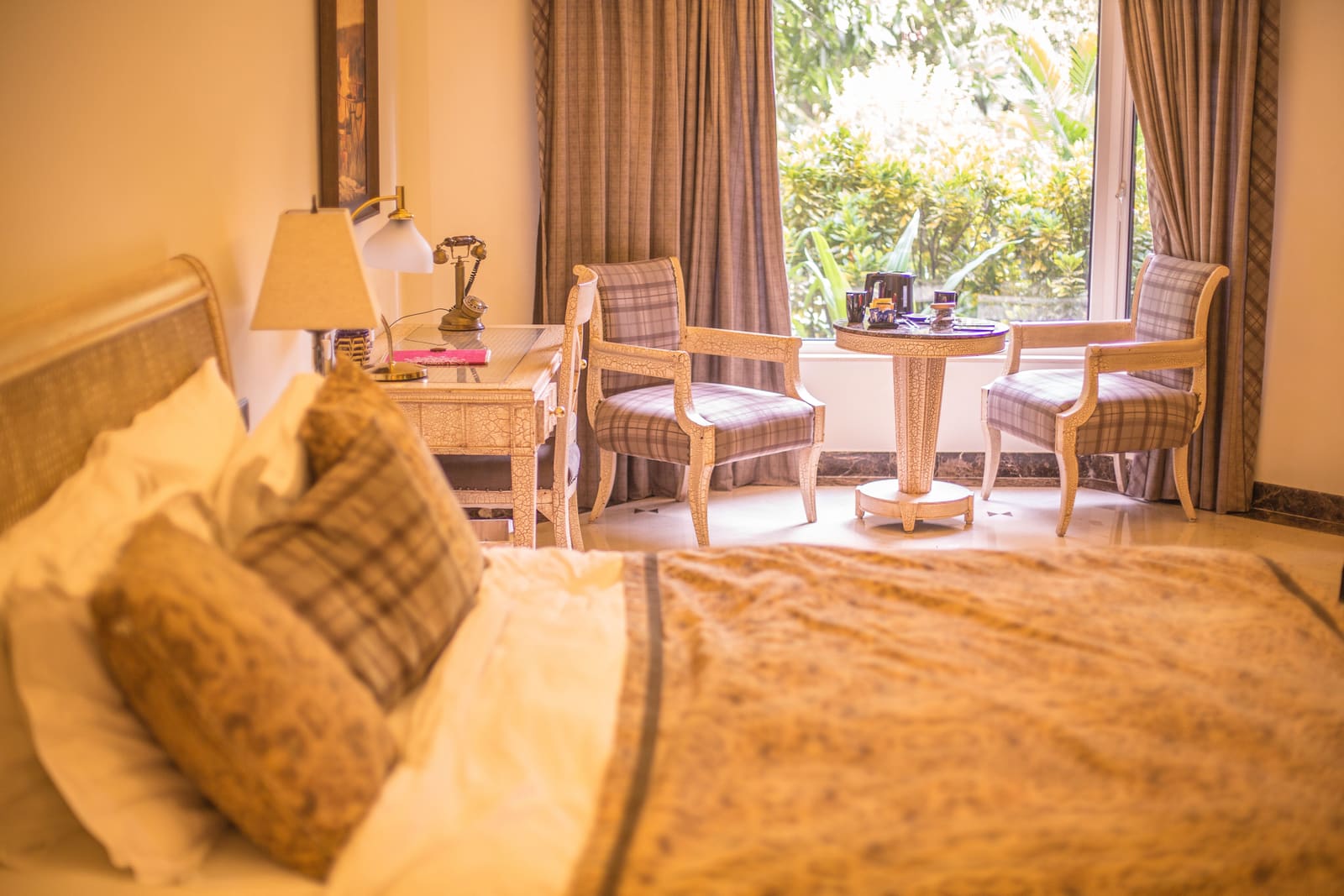
A Bed Bigger Than Most Hotel Standards
Singapore Airlines has committed roughly £1.2 billion to refitting the cabins on its long-haul fleet, and the headline feature is a double bed in first class that outstrips the dimensions of a standard UK double mattress. Two adjoining seats in the new configuration can convert into a shared sleeping surface measuring 203 centimetres in length and 152 centimetres across. For reference, a typical British double mattress runs to 190 cm by 135 cm, so passengers travelling as a pair gain an extra 13 centimetres of length and 17 centimetres of width.
The airline announced the investment on 6 November, saying that the first retrofitted aircraft will enter commercial service in the second half of 2027. All four cabin classes will receive new fittings, though the first-class suite is drawing the most attention because of the bed size and because few carriers still operate a dedicated first tier on long-haul routes.
Privacy and Furnishings
The double-bed option is aimed squarely at passengers who book both seats in a paired suite. When the seats are not configured for sleeping, they can be arranged as a two-person sofa, which allows companions to sit facing each other or side by side during the cruise portion of a flight. Curved sliding doors and retractable dividers between the suites provide a degree of enclosure, though full floor-to-ceiling walls are not part of the design.
Each first-class suite will carry a 32-inch screen with 4K resolution, a personal wardrobe built into the cabin wall, and a separate dining space within the footprint of the suite. Upholstery comes from Poltrona Frau, an Italian leather specialist whose products appear in several premium automotive and aviation interiors. Bedding includes cotton sheets, a duvet, a choice of pillows, and a mattress topper supplied by Paradies, a German manufacturer that has worked with hotels and airlines on sleep products for more than a century.
The Arithmetic of Premium Sleep
Airlines have been enlarging first-class and business-class seats for two decades, but the move toward genuinely double sleeping surfaces has been slow. Most carriers that still offer first class provide a single suite wide enough for one adult to lie flat, typically between 80 and 90 centimetres across. A handful of operators, including Etihad and Qatar Airways, have previously introduced double beds in certain first-class configurations, but those products have tended to occupy fixed positions in the cabin rather than allowing two standard suites to combine.
Singapore Airlines' approach is modular. Passengers who book a single first-class seat will still have a fully flat bed of their own; the double option is available only when both halves of a paired suite are occupied. That flexibility allows the carrier to sell suites individually on flights where demand does not warrant keeping pairs reserved, a commercial consideration that matters when first-class cabins typically hold no more than six to eight seats per aircraft.
The investment figure of £1.2 billion covers the entire long-haul fleet, not just first class. Business class, premium economy, and economy will all receive new seat designs, though the airline has not yet released detailed specifications for those tiers. The phased roll-out beginning in mid-2027 suggests a multi-year timeline; Singapore Airlines operates more than 100 wide-body aircraft, and cabin retrofits of this scale usually take between 18 and 24 months per airframe when maintenance schedules and aircraft availability are factored in.
Context in a Crowded Market
Singapore Airlines has long positioned itself at the premium end of the full-service carrier spectrum, competing directly with Gulf operators and a shrinking number of European and Asian legacy airlines that still maintain first-class cabins. The number of carriers offering first class has declined steadily since 2010, as many have concluded that business class generates better yields per square metre of cabin floor. Those that retain first class tend to concentrate the product on a small number of trunk routes where corporate and leisure demand can sustain higher fares.
The timing of this announcement is noteworthy. Air travel demand across Asia-Pacific has recovered unevenly since pandemic-era border closures, but premium-cabin load factors on key routes such as Singapore to London, New York, and Sydney have returned to or exceeded 2019 levels, driven in part by pent-up demand for long-haul leisure travel and by corporate clients resuming face-to-face meetings. Singapore's position as a connecting hub means the airline can fill premium seats with both origin-destination passengers and those transiting to Australia, New Zealand, and secondary cities across Southeast Asia.
The choice of a double bed also reflects a broader shift in how airlines think about first-class passengers. Historically, the cabin was designed for solo business travellers. But data from several carriers in recent years has shown a rising share of first-class bookings made by couples and families, particularly on leisure-heavy routes during holiday periods. A sleeping arrangement that accommodates two adults in a shared space answers a use case that single suites, no matter how wide, cannot.
What It Costs to Lie Down
Ticket prices for first class on Singapore Airlines' longest routes currently range from approximately £4,500 to £8,000 for a one-way fare, depending on the route, season, and how far in advance the booking is made. The introduction of the new cabin is unlikely to push those fares significantly higher in nominal terms, but the airline may adjust the yield management algorithms that govern seat release and upgrade availability. Premium cabins are a margin game; a small increase in average fare per passenger, multiplied across a year of operations, can justify the capital outlay for new seats and interiors.
The retrofit will also affect aircraft utilisation. Each airframe will spend several weeks out of revenue service while the old cabins are stripped and the new ones installed. For a carrier that operates a hub-and-spoke network with tightly timed connections, that downtime has to be carefully sequenced to avoid disrupting flight schedules. Singapore Airlines has not disclosed which aircraft types will be retrofitted first, though its Airbus A380 and Boeing 777-300ER fleets are the most likely candidates given their use on ultra-long-haul routes where first class generates the highest revenue.
The Sleep-Quality Question
Whether a larger bed translates into better rest is not purely a matter of dimensions. Cabin altitude, humidity, noise, and the frequency of service interruptions all affect sleep quality, and airlines have limited control over some of those variables. Paradies, the bedding supplier, has built its reputation on products designed for the low-humidity, pressurised environment of an aircraft cabin, where standard cotton and down can feel less comfortable than they do on the ground. The inclusion of mattress toppers and a choice of pillows suggests Singapore Airlines is trying to address the tactile side of the equation, though passenger reviews over the next two years will determine whether the investment delivers a measurable improvement in comfort.
The 32-inch screen is notably larger than the monitors found in most current first-class suites, which typically range from 24 to 27 inches. That size is edging closer to what passengers might have at home, and it reflects the reality that in-flight entertainment remains a significant differentiator in premium cabins, even as personal devices and streaming services have eroded the importance of seat-back screens in economy.
Delivery and the Retrofit Timeline
The second half of 2027 is still more than a year away, and cabin programmes of this complexity often encounter delays related to supplier lead times, certification, and the logistics of coordinating work across multiple maintenance bases. Singapore Airlines has a track record of delivering cabin updates close to the announced schedule, but the scale of this project and the number of aircraft involved introduce variables that can push timelines back by several months.
For passengers, the practical question is which routes will see the new cabins first. Airlines typically debut new products on their most commercially important or longest routes, both to maximise the marketing impact and to gather operational feedback before a wider roll-out. Singapore's non-stop services to New York and Los Angeles, as well as its Kangaroo Route flights to London via Australia, are strong candidates for early deployment.
The retrofit also raises questions about what happens to the old seats. Some airlines refurbish and resell cabin components to smaller carriers or lease operators; others scrap them. Given the age and condition of Singapore Airlines' current first-class product, which was last updated in phases between 2017 and 2020, there may be a secondary market for the seats, particularly among airlines that are looking to add a premium tier without the cost of a factory-fresh design.
The £1.2 billion figure places this programme among the larger cabin investments announced by a single carrier in recent years. It is a substantial commitment for an airline that, like most in the region, is still managing debt taken on during the pandemic to cover operating losses and deferred aircraft deliveries. The decision to proceed signals confidence that premium travel demand will remain robust enough to justify the capital outlay, and that product differentiation in first class still matters to a segment of passengers willing to pay for it.