From Rifles to Rewilding
In South Africa's Limpopo province, a nearly 5,000-hectare plot that once hosted hunting parties now welcomes a different kind of visitor. Sandringham Private Game Reserve opened this year after five years of ecological rehabilitation, a project undertaken by Sabi Sabi, a family-run operator that has been in the safari business since 1979.
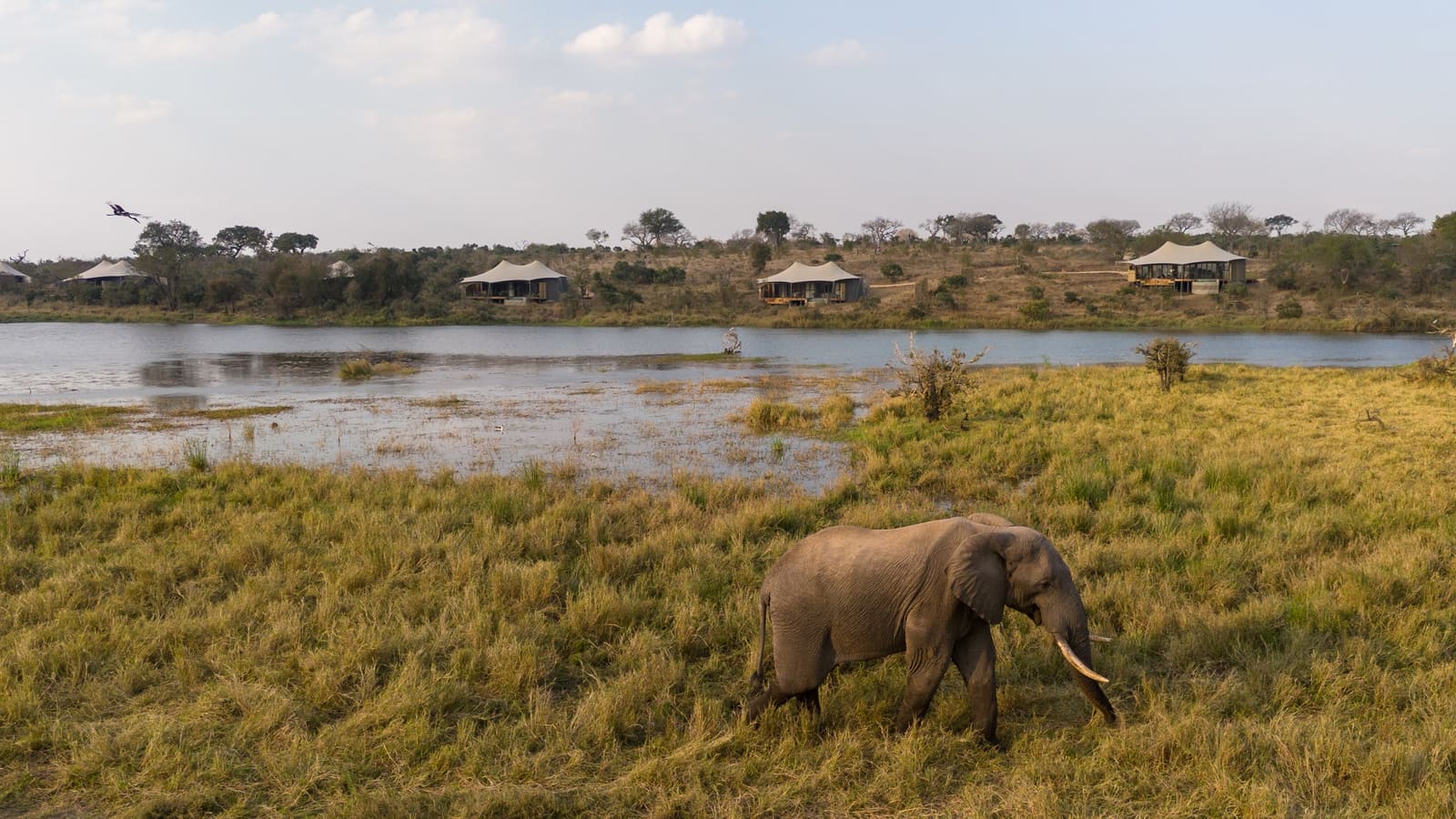
The transformation required more than a change in management philosophy. Crews removed old fencing and man-made barriers, repaired eroded soil, and restored water catchments that feed into the Timbavati River. Taking down the fences reconnected Sandringham to the unfenced Greater Kruger Protected Area, allowing elephants, predators, and other species to move freely across reserve boundaries.
Jacques Smit, marketing director at Sabi Sabi, described the process as one of the most rewarding in the company's history, watching wildlife gradually return to land that had been shaped by decades of hunting activity. The reserve now borders Timbavati and Thornybush, two established game reserves in the region.
A Calculated Gamble
The decision to pursue eco-tourism over hunting is not simply an ethical pivot. Hunting concessions remain financially viable across South Africa, and Sandringham's shift represents a deliberate bet that low-density, high-cost safari tourism can generate comparable or better returns while appealing to conservation-minded travelers.
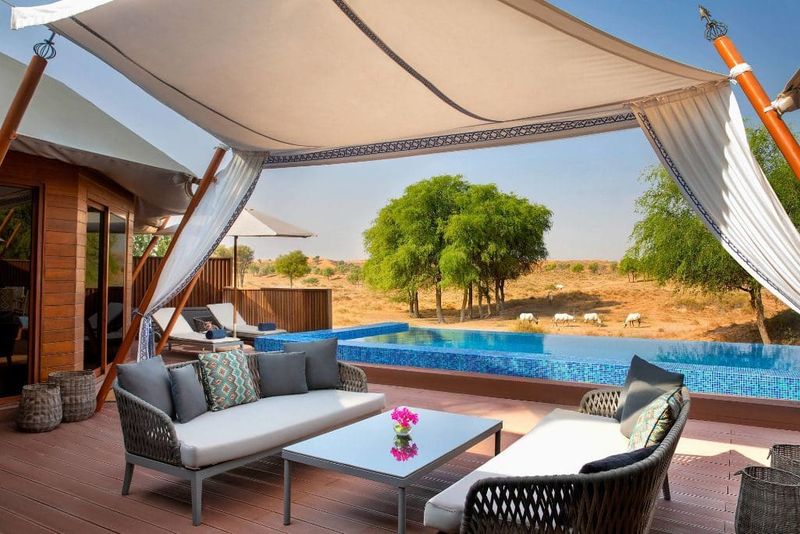
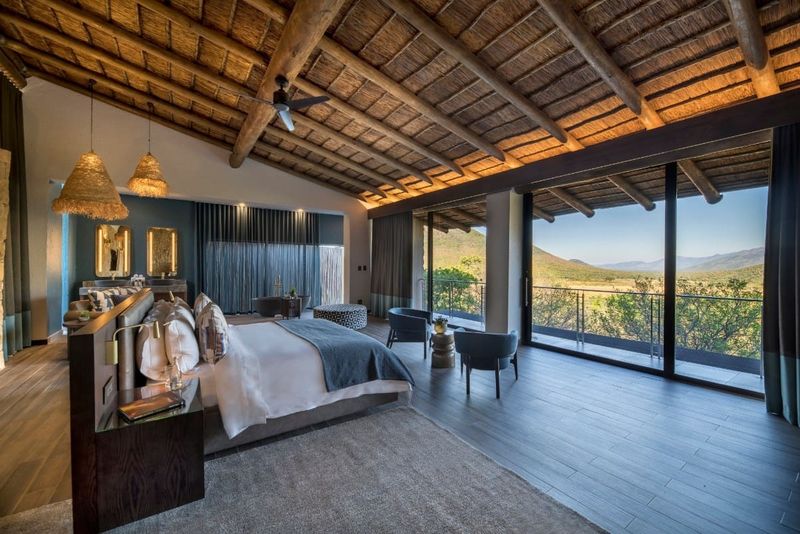
The reserve has opened with two camps, N'weti and Shisaka, each with six suites. Both feature private infinity pools, indoor-outdoor bathrooms, and relaxation decks inspired by Tsonga architectural traditions. A central lodge houses a spa, gym, and children's education center, while meals are served in an open-air boma with a curated selection of South African wines.
For guests seeking additional privacy, Shisaka includes two standalone villas, and Sandringham House, a four-bedroom residence upstream from the main lodge, accommodates up to eight guests with dedicated staff and private safari vehicles. The reserve also maintains its own airstrip.
Rebuilding Trust Between Species
One of the less visible achievements of the project has been helping wildlife relearn human presence. Animals conditioned to associate people with danger required time and careful management before they could be safely observed on game drives, walking safaris, and birding excursions.
Sabi Sabi partnered with the Tracker Training Academy to train young people from neighboring communities as professional wildlife trackers, creating employment pathways tied to the reserve's success. The collaboration reflects a broader recognition that conservation projects need local buy-in to be sustainable over the long term.
Four rivers cross the property, keeping water available even during dry months and providing reliable spots for animal sightings as wildlife comes to drink and cool off. The restored catchments play a role in maintaining this year-round water access.
A Model Worth Watching
Sandringham's approach aligns with a wider push across Africa toward unfenced wildlife corridors and sustainable tourism models. Kenya's Maasai Mara and Laikipia Plateau face similar pressures, balancing land use between conservation, agriculture, and tourism.
Whether rewilding degraded land for luxury eco-tourism can consistently outperform hunting revenue remains an open question. Sandringham's performance will offer data points for other operators weighing similar transitions, particularly in regions where hunting still represents a proven income stream.
For now, the reserve stands as an example of what is possible when conservation priorities and business models align, though the real test will be whether the economics hold up over the next decade. The landscape has recovered. The question is whether the market for this kind of travel can sustain it.