When Systems Fail
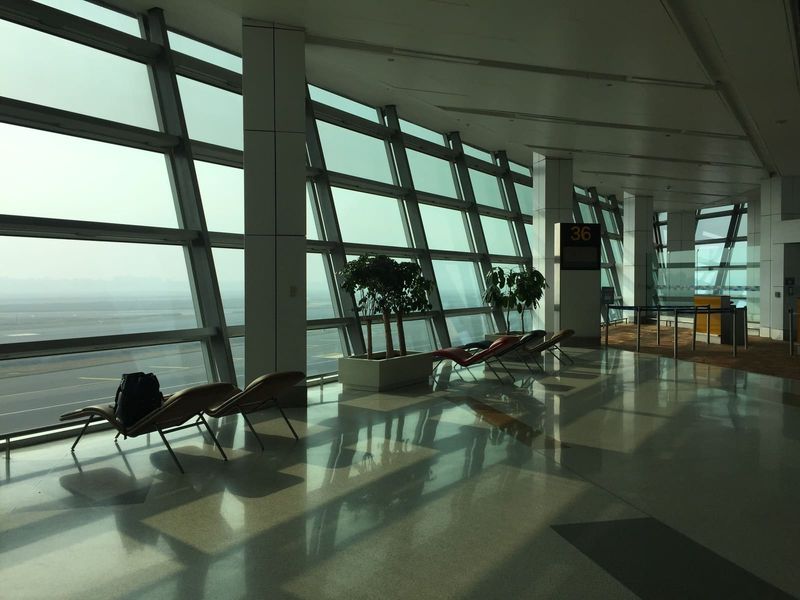
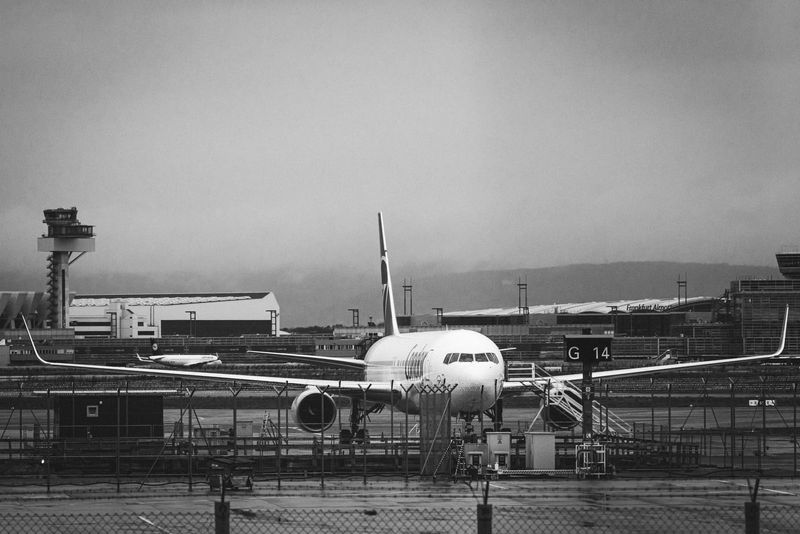
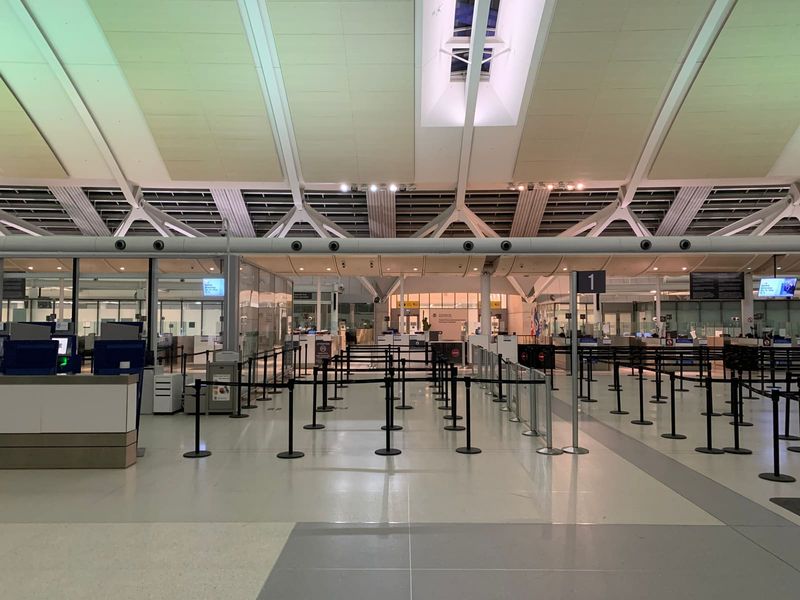
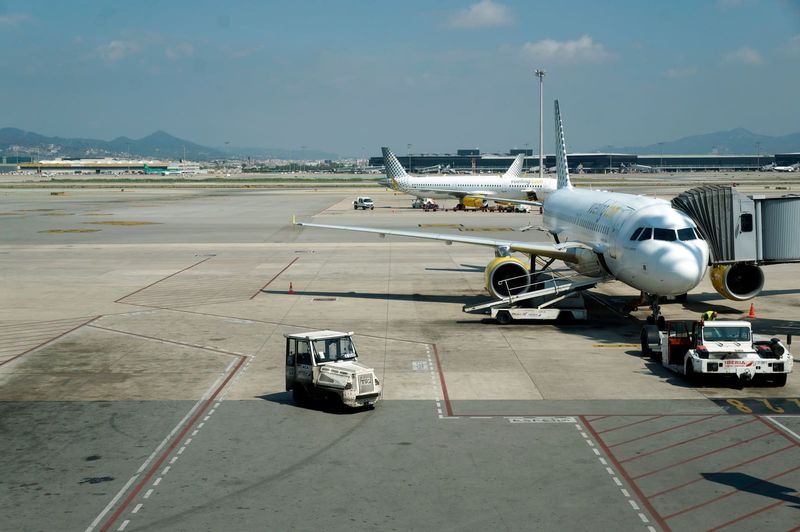
A technical malfunction in the UK's air traffic control network brought flight operations to a near standstill on 8 and 9 September, stranding tens of thousands of passengers across Britain and Europe. More than 2,000 flights were cancelled over the two-day period, affecting major hubs including Heathrow, Gatwick and Manchester.
The disruption began on Tuesday morning when the National Air Traffic Services (NATS) experienced a failure in its flight processing system. Controllers were forced to slow traffic to manageable levels while engineers worked to identify and fix the problem. By Thursday morning, operations had largely returned to normal, though airlines continued working through backlogs of displaced aircraft and crew.
What caught many passengers off guard was the news from the Civil Aviation Authority that most won't be entitled to compensation. The regulator classified the outage as an "extraordinary circumstance" under passenger rights rules, meaning airlines are not required to reimburse travellers for delays or cancellations directly caused by the incident.
The Technical Breakdown
NATS has not disclosed the specific nature of the technical fault, saying only that it affected core flight processing systems. Martin Rolfe, the organisation's chief executive, acknowledged the failure took longer to resolve than anticipated and promised a full investigation.
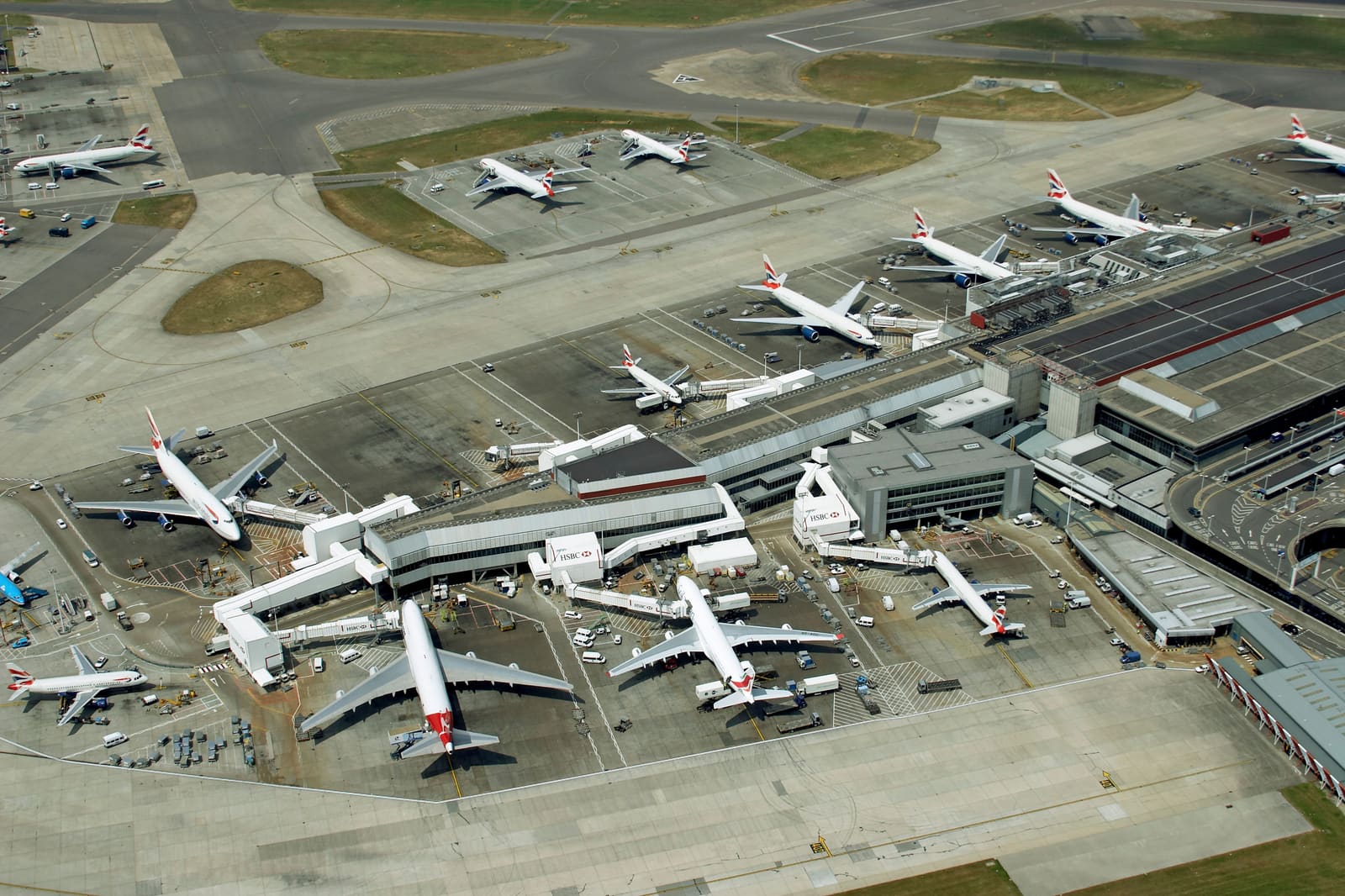
The knock-on effects were immediate and widespread. Heathrow suspended all arrivals on Tuesday, resuming departures only later in the day. Gatwick, Stansted, Luton and Manchester all reported significant disruption, as did regional airports in Birmingham, Belfast, Edinburgh and Jersey. Flight tracking service FlightRadar24 recorded approximately 1,300 cancellations on Tuesday alone, with hundreds more following on Wednesday.
European airports felt the ripple effects as well. Inbound flights from the continent were delayed or turned back, while UK-bound passengers found themselves stranded at departure gates with little information about when services would resume.
The Compensation Gap
Under European Union regulations that still apply in the UK, airlines must compensate passengers for delays over three hours or cancellations, unless the disruption was caused by extraordinary circumstances beyond the carrier's control. Weather events, security alerts and air traffic control failures typically fall into this category.
The CAA's guidance means most affected passengers can expect only the minimum statutory support: rebooking on the next available flight, meals and accommodation if stranded overnight, and refunds if they choose not to travel. Out-of-pocket expenses for alternative transport or extended hotel stays are unlikely to be reimbursed unless passengers had separate travel insurance.
The timing was particularly unfortunate. Early September marks the tail end of summer holidays, with families returning home and business travel ramping up. Many passengers reported missing connecting flights, work commitments and pre-paid accommodation.
What Travellers Can Do
Airlines are required to provide care regardless of whether compensation is owed. That means meals, refreshments and hotel accommodation for passengers forced to wait overnight. Travellers who paid for these expenses themselves should keep receipts and submit claims to their airline, though approval is not guaranteed under extraordinary circumstances.
Those with comprehensive travel insurance policies may have better luck. Some policies cover delays caused by technical failures, though coverage varies widely and often requires delays of 12 hours or more before payouts kick in.
By Thursday morning, most UK airports were advising passengers to check flight status directly with airlines before heading to the terminal. NATS issued a statement acknowledging the complexity of the recovery process and the time required for the aviation network to fully stabilise.
The incident raises questions about the resilience of critical infrastructure. Britain's air traffic control systems handle more than two million flights annually, and a single point of failure can cascade across the network within hours. NATS has committed to a full investigation, but details about what went wrong and how similar failures might be prevented remain scarce.
For now, passengers who lost time, money or holiday days will need to weigh their options: accept the disruption as an unavoidable technical mishap, or challenge the extraordinary circumstances classification through their airline's complaints process. Either way, the path to compensation looks narrow.