A System With No Room to Breathe
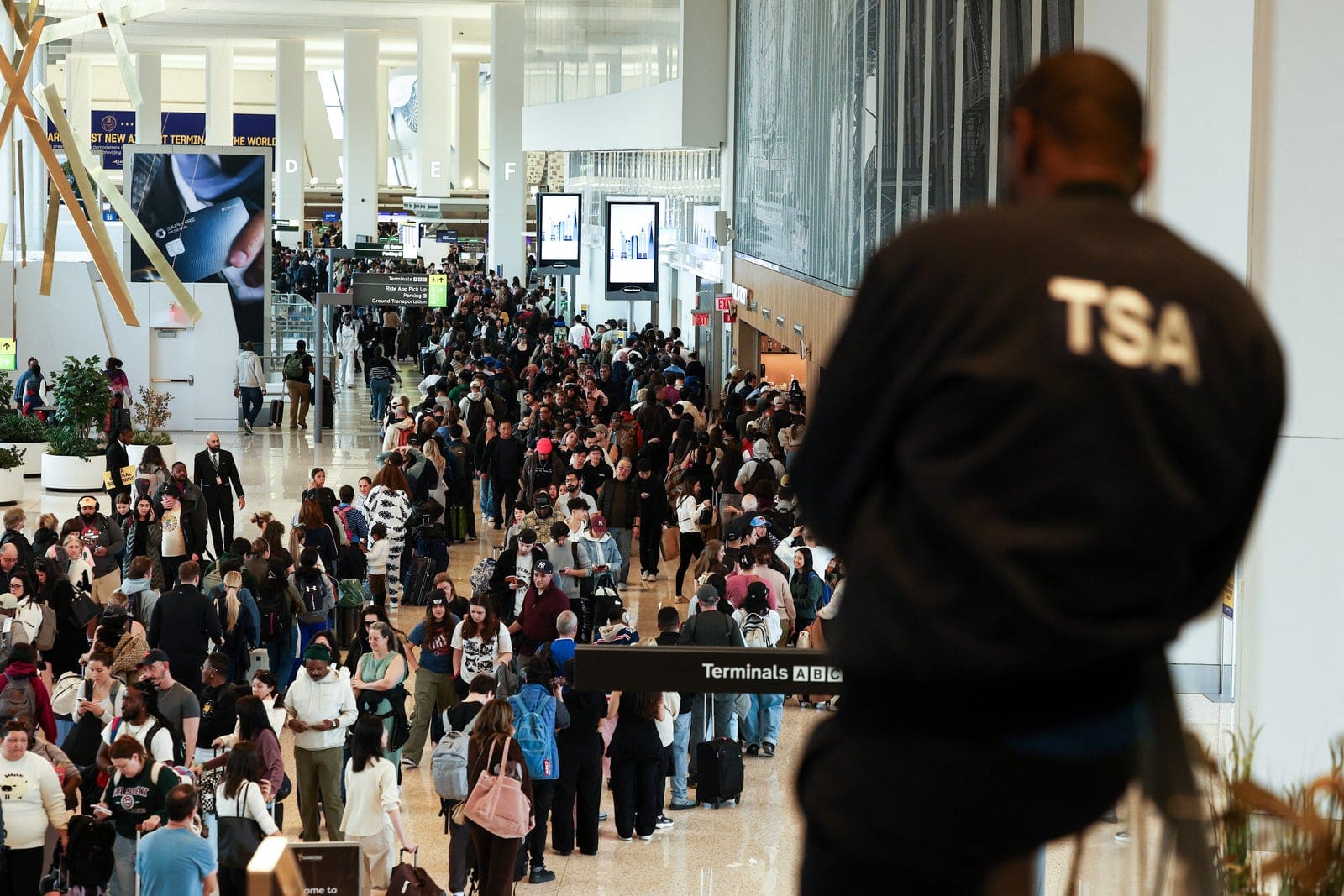
More than 1,300 domestic flights faced delays on a recent Monday morning in the United States, with over 100 canceled outright. New York's JFK logged 117 delays and 25 cancellations alone. JetBlue saw nearly 100 flights delayed and 25 scrapped in a single morning window, according to data from FlightAware.
The immediate cause was weather: low clouds, poor visibility, and storms across major eastern hubs including Boston, New York, Philadelphia, Washington D.C., Charlotte, and Orlando. The Federal Aviation Administration confirmed that conditions were straining both airline schedules and national air traffic operations.
But the deeper issue is structural. Airlines have been trimming available seat capacity since April in response to rising fuel costs, and that's left the system with almost no slack. When disruptions hit during busy travel periods, carriers simply don't have enough empty seats to move displaced passengers onto other flights.
Robert W. Mann Jr., an airline industry analyst and former executive, described the situation plainly: once bad weather forces cancellations, airlines run out of accommodation options very quickly. The problem compounds when major cities are affected, because delays ripple outward and can take days to fully resolve.
The Knock-On Effect
JetBlue reported delays on 45 percent of its scheduled flights during an earlier severe weather event this month, a figure that underscores how vulnerable tight schedules have become. Federal aviation officials have noted that air traffic controller shortages, layered on top of summer storm patterns, are amplifying the strain.
Peter Vlitas, an executive at travel services firm Internova Travel Group, pointed out that airlines are increasingly good at forecasting trouble. Carriers now send advance alerts urging passengers to leave a day early if bad weather is expected. For travelers with flexibility, that can be the difference between reaching a destination on time and spending two nights in an airport hotel.
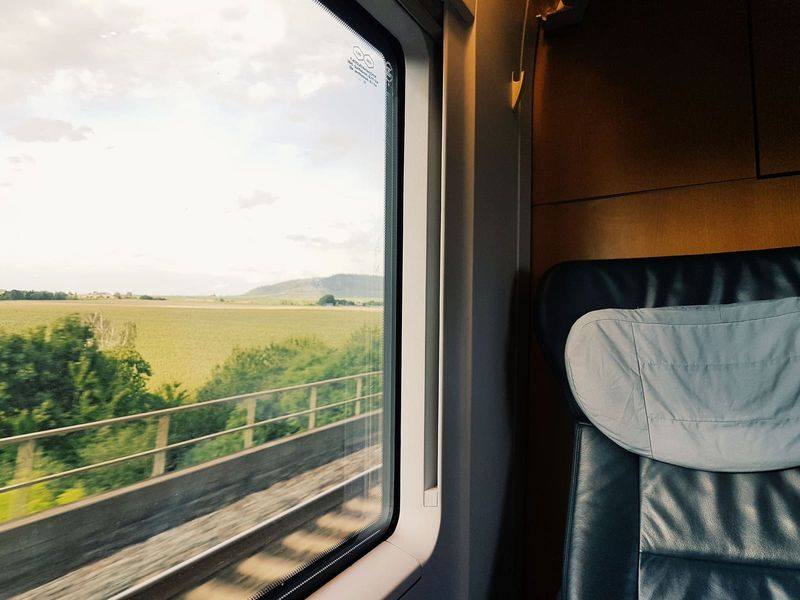
But for those who can't shift their plans or who don't receive timely warnings, the options narrow fast. Vlitas suggested that passengers facing sudden cancellations may need to get creative: flying into a nearby city and arranging ground transport or train connections to reach their final stop. It's a workaround that requires coordination and often means helping an airline agent piece together an unconventional routing.
What Travelers Can Do
Aviation professionals recommend a few practical steps. Monitor flight status continuously through airline apps and enable push notifications for gate changes or delays. If a cancellation notice arrives, rebook immediately, even if it means accepting a longer layover or an indirect route. When connecting through busy hubs, build in extra time between flights to absorb potential delays.
Packing essentials and medications in carry-on luggage is another hedge against disruption. If an overnight stay becomes unavoidable, having a change of clothes and necessary prescriptions on hand makes the experience marginally less stressful.
The broader pattern is clear: the margin for error in US aviation has shrunk. Fuel costs drove capacity cuts, and now every weather event becomes a multi-day recovery operation. Passengers are being asked to shoulder more of the risk, monitoring forecasts and adjusting plans proactively rather than relying on airlines to absorb disruptions seamlessly.
For an industry that once prided itself on operational resilience, the current moment is revealing how thin the buffer has become. When storms roll in, there's simply nowhere left to go.