A New Chapter on Giudecca
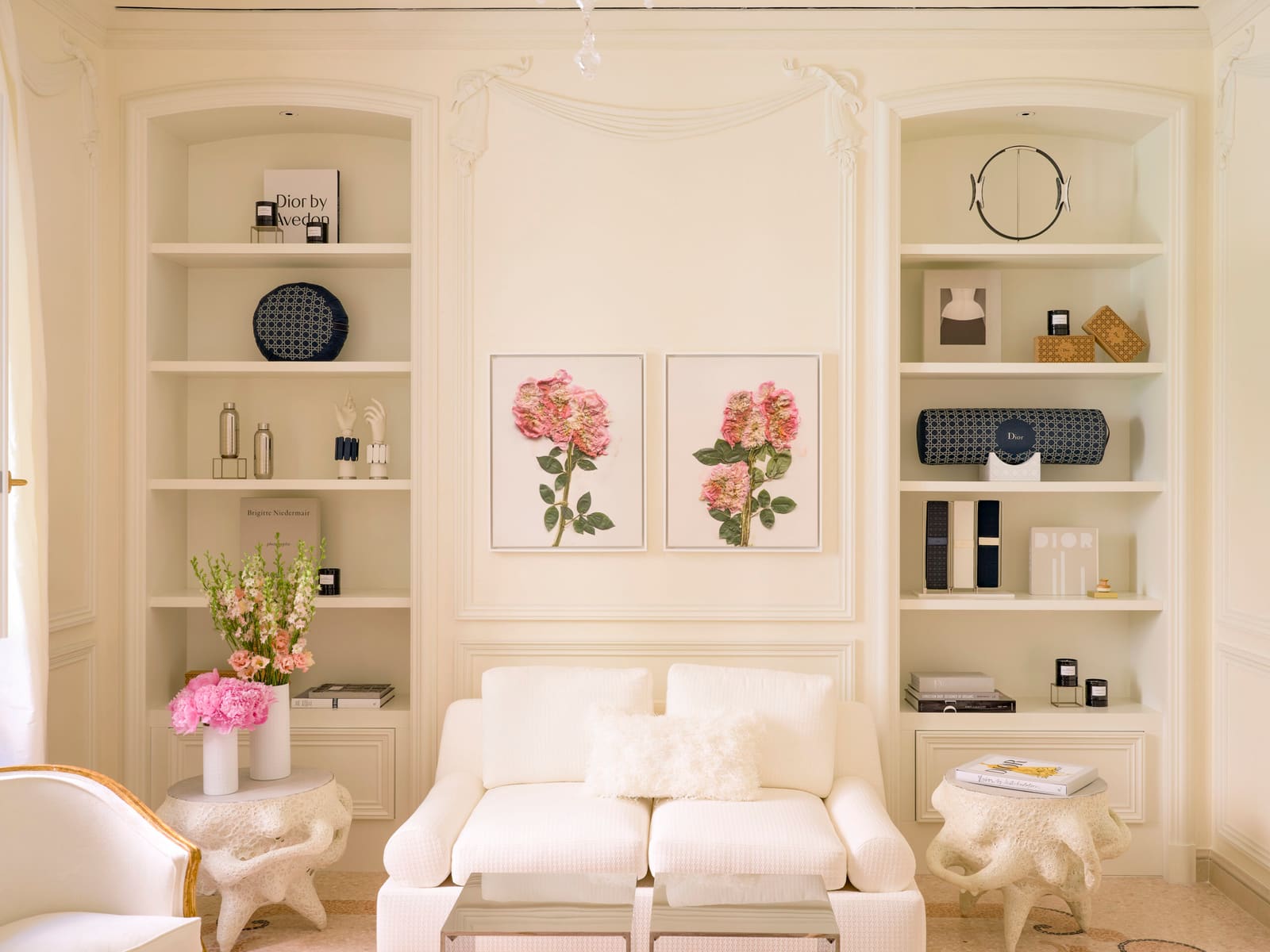
Hotel Cipriani opened a Dior spa this July, the first such facility in Venice. Designed by Peter Marino, the architect who also oversaw the property's recent refurbishment, the wellness space sits within the hotel's Casanova Gardens and pool precinct, accessible through pathways lined with greenery. Five treatment cabins and a small boutique occupy interiors finished in natural materials, Venetian terrazzo, and design cues drawn from mid-century elegance.
The arrival follows a pattern. Last summer, a Dioriviera pop-up boutique and Il Bacaro Dior bar opened on the same grounds, returning for a second season this year. Both Hotel Cipriani and Dior sit under LVMH, the French conglomerate that acquired the Belmond hotel group in 2019. The pairing reflects a broader strategy of linking hospitality properties with fashion brands within the same corporate family.
Treatments Named After Venetian Balls
The spa menu includes several signature Dior treatments, among them New Look, D-Tissue, and Constellation. Three offerings were created specifically for this location and take their names from Venice's tradition of masked celebrations: Théâtre Corporel, a body treatment; Mascarade, a facial; and Grand Bal. Each references the city's history as a stage for elaborate social theatre, a theme Dior has drawn on repeatedly in its collections and storytelling.
Christian Dior first visited Venice in the early 1950s, attending Le Bal du Siècle, a masquerade hosted by Charles de Beistegui in 1951. That event, held in a palazzo on the Grand Canal, left a lasting impression on the designer, who later spoke of Venice as a place where beauty was performed rather than simply observed. The spa's concept borrows from that imagery, framing wellness as ritual and spectacle rather than routine maintenance.
Pricing and Positioning
Rates align with the hotel's luxury bracket. A 90-minute Théâtre Corporel session is priced at €650, according to Hotel Cipriani. A 60-minute private yoga class costs €250. These figures place the spa firmly in the upper tier of Venice's wellness offerings, competing with high-end retreats on the mainland and in neighboring resort towns.
Hotel Cipriani has occupied its Giudecca island site since 1958, when founder Giuseppe Cipriani envisioned it as a secluded counterpoint to the bustle of San Marco. Over decades, the property has drawn actors, directors, and other public figures seeking privacy. Orient-Express Hotels, later rebranded as Belmond, purchased the hotel in 1976 and maintained that positioning through successive renovations.
The Broader LVMH Play
The Dior spa is part of a wider effort by LVMH to integrate its fashion and hospitality assets. Similar collaborations have appeared at other Belmond properties, where the group has tested pop-up boutiques, branded bars, and now wellness spaces. The model allows the conglomerate to cross-promote brands and offer guests experiences that span multiple product categories, from clothing and accessories to food, drink, and spa services.
Venice itself has seen a rise in luxury hotel openings and refurbishments in recent years, driven by demand from travelers willing to pay premium rates for location and service. The city's limited supply of waterfront sites gives established properties like Hotel Cipriani a structural advantage, even as new entrants compete for market share. Adding a Dior spa sharpens that edge, offering a branded amenity that few competitors can match.
A City as Muse
Dior's attachment to Venice runs deeper than a single masked ball. The house has staged fashion shows in the city, shot campaigns against its canals and palazzi, and referenced Venetian motifs in fabric prints and jewelry designs. The spa extends that relationship into a new domain, one that blends heritage craft with contemporary wellness culture.
Visitors enter through the gardens, passing the outdoor pool before reaching the spa's entrance. Inside, the design language is restrained, with terrazzo floors and neutral tones that nod to Venetian building traditions without resorting to pastiche. Marino, who has designed Dior boutiques around the world, applied a similar approach here, balancing brand identity with local context.
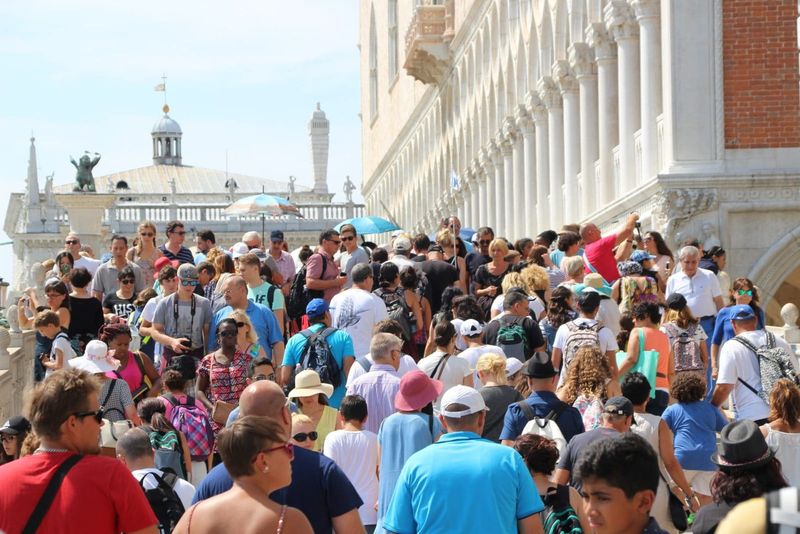
The spa's opening comes as Venice grapples with overtourism and debates around how to manage visitor flows. Luxury hotels like Cipriani operate at a remove from those pressures, catering to guests who arrive by private water taxi and spend most of their time within the property's walls. The Dior spa reinforces that insularity, offering an enclosed environment where the city becomes backdrop rather than destination.
Whether Venice needed another high-end spa is a separate question. The city already has several, including facilities at Aman Venice, The Gritti Palace, and JW Marriott Venice Resort & Spa. What the Dior spa adds is brand cachet and a narrative that ties wellness to fashion, history, and spectacle. For some travelers, that combination will justify the price. For others, it may feel like an expensive exercise in storytelling, one that prioritizes image over substance.
Still, the spa fills a gap in Venice's luxury wellness landscape, particularly for guests already staying at Hotel Cipriani or those drawn to the Dior brand. It also signals LVMH's willingness to invest in experiences that extend beyond retail, betting that travelers will pay not just for products but for environments and rituals that carry a designer label.