A Long-Awaited Rival Takes Shape
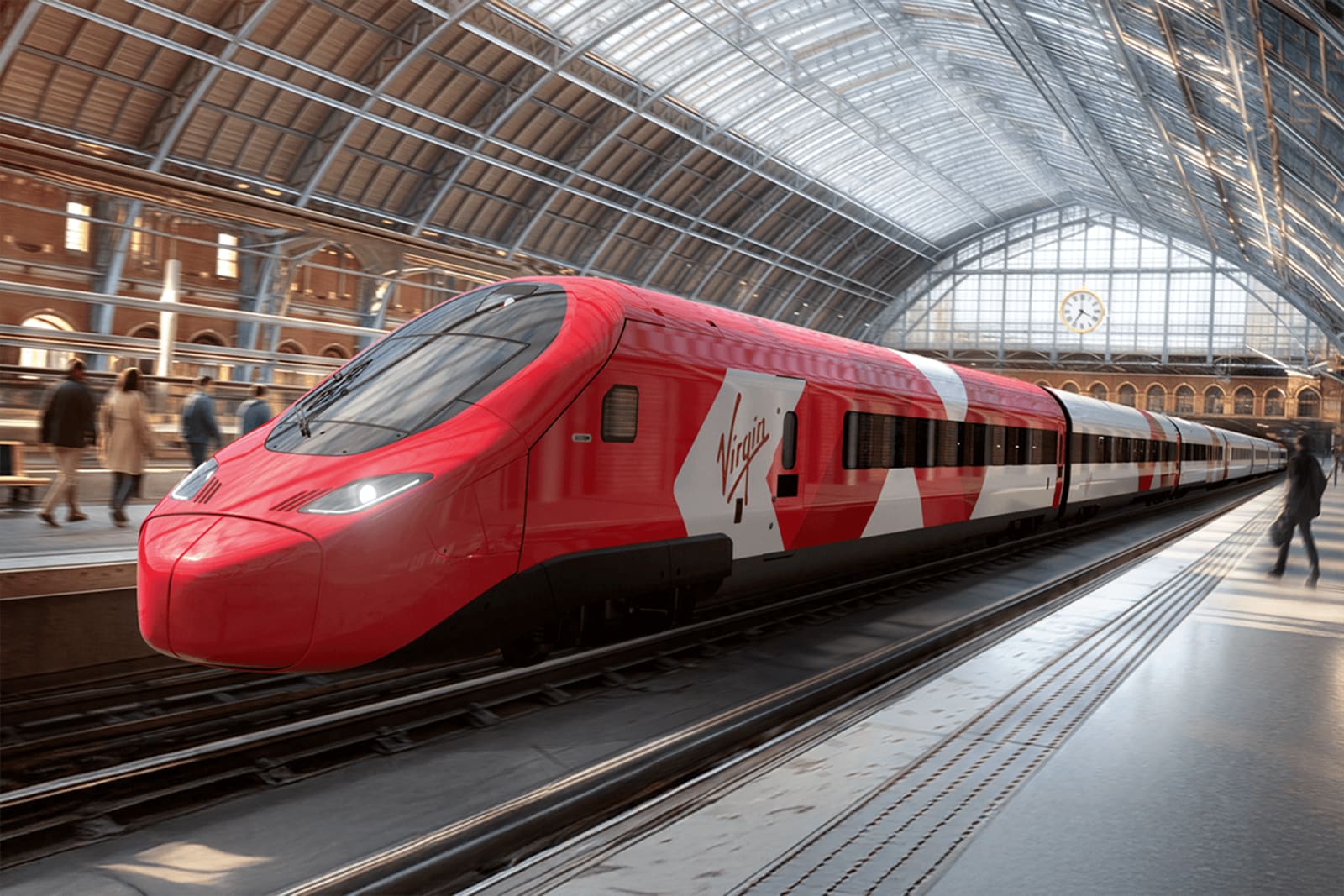
For more than three decades, Eurostar has operated without serious competition through the Channel Tunnel, connecting London to Paris, Brussels, and Amsterdam. That may finally change. On 13 August 2026, the Office of Rail and Road approved a framework track access agreement allowing Virgin Trains to run up to 20 daily return services between London and major European cities.
The approval covers operations from 1 October 2030 through the end of 2040, according to the ORR. It marks the first concrete regulatory step toward introducing competition on a route that has long been dominated by a single operator.
Martin Jones, deputy director for access and international at the ORR, called the decision an important milestone for bringing competition and growth to the international rail market. He noted that while progress has been made, substantial work remains before passengers see new services.
What Still Needs to Happen
Regulatory approval is only the beginning. Virgin Trains must now acquire rolling stock capable of operating under the Channel Tunnel's unique safety and technical requirements. The company also needs to secure access agreements with rail networks in France, Belgium, and the Netherlands, and obtain safety certification from both the ORR and relevant European Union authorities.
Those steps are not trivial. The Channel Tunnel imposes strict fire safety standards, and cross-border rail operations require coordination across multiple jurisdictions with different regulatory regimes. Virgin has already secured approval to use the Temple Mills International rail depot in East London, a necessary piece of infrastructure for servicing trains, but the path to launching service remains complex.
The timeline gives Virgin four years to address these hurdles. Whether that proves sufficient depends on procurement schedules, regulatory timelines, and negotiations with European rail authorities, all of which can stretch longer than anticipated.
Why This Matters for Travelers
If Virgin Trains manages to launch, it would represent the first meaningful alternative to Eurostar since the tunnel opened in 1994. Competition could influence pricing, service frequency, and customer experience on one of Europe's busiest international rail corridors.
Richard Branson, founder of the Virgin Group, said the approval marks the end of a 30-year monopoly. He framed the move as consistent with Virgin's track record of challenging incumbents in aviation, cruising, and rail. His statement emphasized consumer choice and hinted at differentiated service, though specifics remain unclear.
For passengers, the immediate impact is limited. The earliest services would not begin until late 2030, and there is no guarantee Virgin will clear the remaining regulatory and operational barriers. Still, the approval shifts the cross-Channel rail market from a question of if to a question of when and how well a competitor can execute.
The Broader Context
Eurostar has faced criticism over the years for high fares, limited schedule flexibility during peak periods, and service disruptions. The absence of competition has left passengers with few alternatives when prices rise or availability tightens. A second operator could pressure Eurostar to adjust pricing or expand capacity, particularly on popular routes like London to Paris.
At the same time, launching a rival service is expensive and operationally demanding. Virgin Trains will need to invest heavily in rolling stock, infrastructure, and staff training. It will also enter a market where Eurostar has decades of operational experience and established relationships with European rail authorities.
The outcome will depend on execution. If Virgin can deliver a reliable, competitively priced service, the cross-Channel rail market could look very different by the mid-2030s. If delays or cost overruns derail the project, Eurostar's dominance will continue unchallenged.
What Comes Next
Over the next four years, the focus shifts to procurement and regulatory approval. Virgin Trains will need to finalize contracts for trains, complete safety testing, and negotiate access to European rail networks. Each of these steps involves coordination with multiple stakeholders and regulatory bodies, and any one of them could delay the launch.
For now, the ORR's approval is a signal that British rail regulators are willing to support competition on international routes. Whether that translates into actual service depends on what happens in the years ahead.