A Decade-Long Wait Gets Shorter
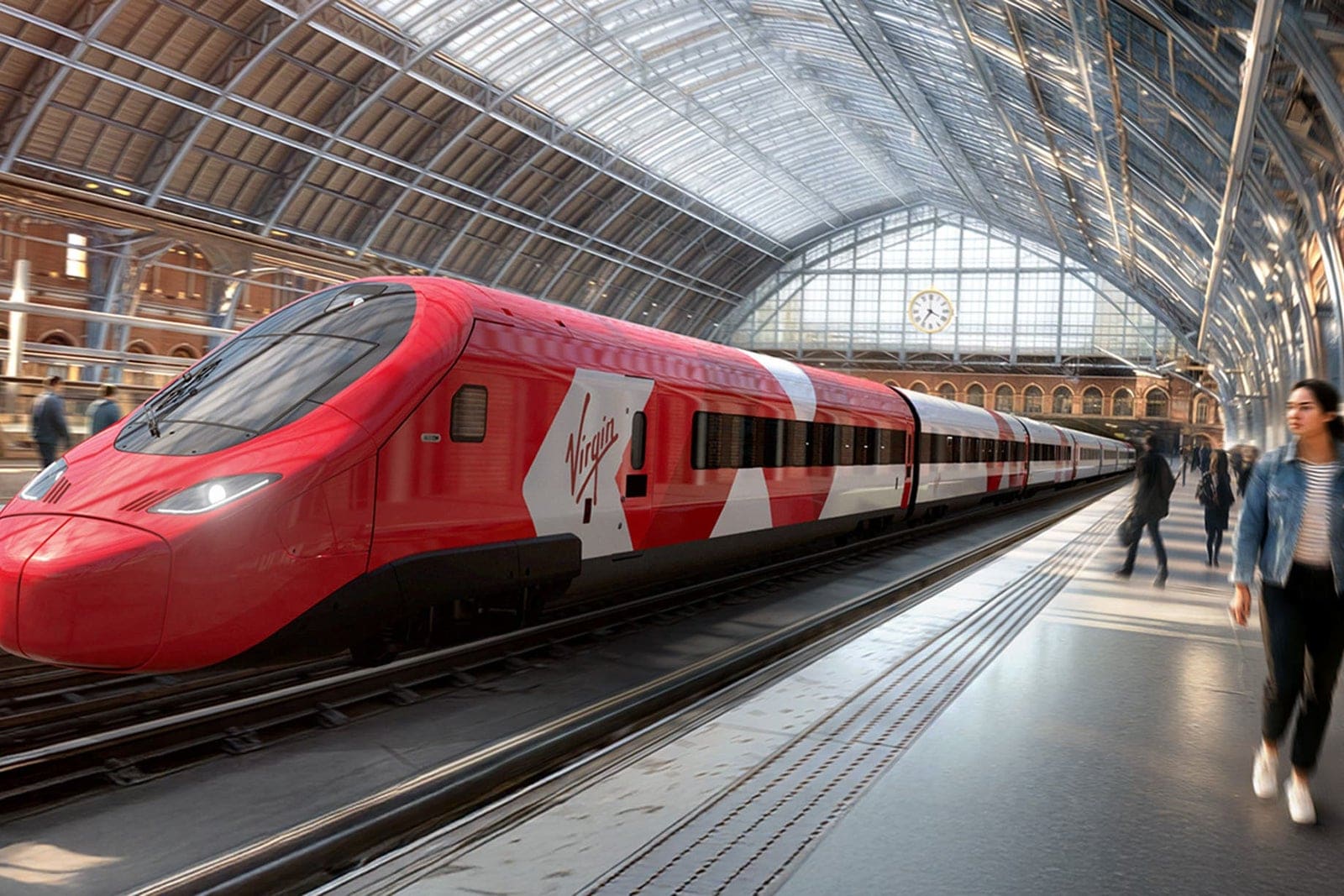
Virgin Trains has won approval to use the tracks that matter most for its long-discussed plan to compete with Eurostar. The Office of Rail and Road confirmed the company can access London St Pancras and High Speed 1, the line connecting the capital to the Channel Tunnel, starting October 2030 through the end of 2040.
The decision represents the clearest signal yet that Sir Richard Branson's venture could actually materialize. Virgin Trains has proposed running up to 20 daily return journeys through the tunnel, targeting the same continental hubs Eurostar serves: Paris Gare du Nord, Brussels-Midi, and Amsterdam Centraal.
Since the Channel Tunnel opened to passengers in 1994, Eurostar has operated without a rival. That exclusivity has persisted even as the tunnel runs at roughly half its capacity, leaving room for additional operators to enter the market. Virgin Trains has publicly argued that three decades of monopoly is long enough.
More Than Just Track Access
Securing track rights is essential, but it does not complete the picture. Virgin Trains still needs safety clearances from both the UK rail regulator and EU authorities. It must also negotiate access to rail networks in France, Belgium, and the Netherlands, each with its own regulatory frameworks and slot allocation systems.
Last October, the company gained permission to use Temple Mills depot in east London, the only facility with direct access from High Speed 1. That approval solved the logistical puzzle of where to maintain and store trains. The newly granted track agreement adds another piece, but the puzzle is not yet finished.
Martin Jones, deputy director of access and international at the Office of Rail and Road, described the decision as an important next step while noting that work remains before any trains can roll. The regulator emphasized its support for competition and growth in international rail services.
A Market Opening Up
Virgin Trains is not the only company eyeing Eurostar's territory. FS Italiane Group, Italy's state railway operator, has ordered 19 high-speed trains with plans to launch London-Paris services by 2029. That timeline would make the Italian operator the first to challenge Eurostar, arriving a year ahead of Virgin's target date.
The convergence of interest suggests the market is ripe for change. Current tunnel utilization sits well below what infrastructure can handle, and demand for cross-border rail has rebounded following pandemic disruptions. Both Virgin and FS Italiane are betting that travelers will welcome more frequent departures, competitive fares, and alternative service models.
For Virgin Trains, the brand carries weight in the UK market, where it previously operated long-distance rail franchises. Translating that recognition into cross-border success will depend on execution, pricing, and the ability to navigate a complex web of international rail regulations.
What Comes Next
The timeline stretches out over the next several years. Virgin Trains must finalize agreements with infrastructure managers in France, Belgium, and the Netherlands. It needs to secure slots at busy stations, coordinate with border and security agencies, and complete the lengthy safety certification process required for international rail operations.
Eurostar, meanwhile, continues to operate as the sole provider. The company has not publicly commented on the regulatory approvals granted to its future competitors, but the arrival of rivals will likely prompt adjustments in pricing, frequency, and service offerings.
The 2030 start date gives Virgin Trains time to work through the remaining regulatory and operational steps. It also sets up a potential shake-up in cross-border travel between the UK and mainland Europe, where air travel has long dominated despite the environmental advantages of rail.
Whether Virgin Trains can deliver on its promises remains to be seen. The track access approval is a significant milestone, but the distance between regulatory clearance and operational reality is measured in years of planning, negotiation, and investment. For travelers, the prospect of more choice on one of Europe's busiest international corridors offers a reason to watch closely.