Work Before Takeoff
Flight attendants at WestJet, Canada's second-largest airline, began strike action in the early hours of August 2. More than 4,400 cabin crew members represented by CUPE Local 8125 walked off the job after contract negotiations collapsed. The stoppage came at the height of the August long weekend, one of the busiest travel periods of the year.
The dispute centres on compensation for tasks performed on the ground. Boarding assistance, safety checks, briefings, delay management, and deplaning all fall outside the current credit-hour pay structure. According to the union, crew members complete up to 35 unpaid hours each month under the existing system. In some cases, the effective hourly rate drops below minimum wage when all working time is counted.
The previous collective agreement expired at the end of 2025. Talks began late that year but stalled on core issues. In mid-July, union members voted 99.4 percent in favour of strike action, with turnout reaching 97.3 percent. A 72-hour strike notice followed on July 30. The airline responded with a lockout notice, and last-minute weekend negotiations failed to produce a settlement.
Hundreds of Flights Cancelled
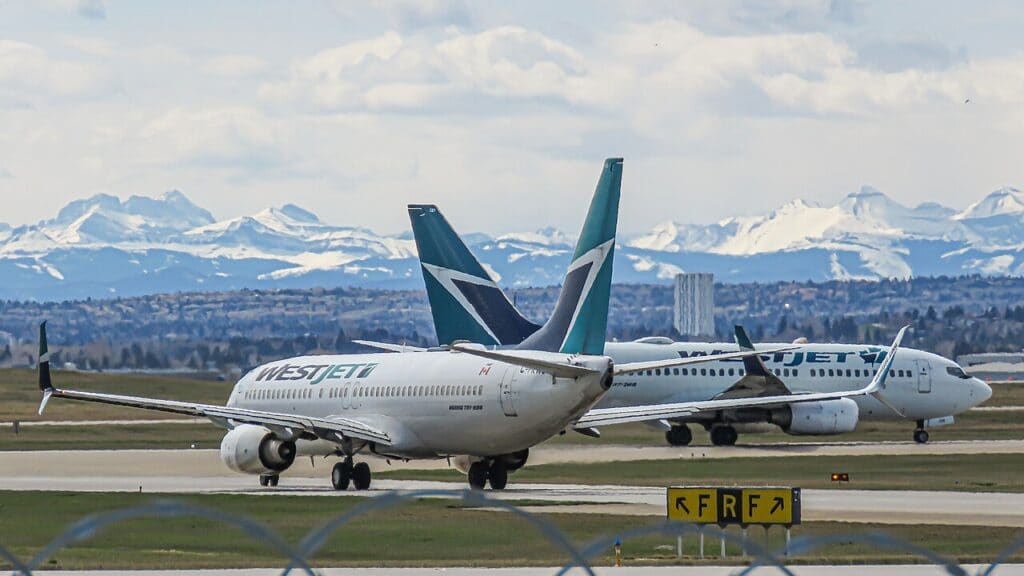
WestJet began parking Boeing 737 aircraft days before the strike deadline. By early Sunday, the airline had cancelled more than 300 flights. Most mainline 737 and 787 operations were grounded. WestJet Encore turboprop services and some partner codeshare flights continued with less disruption.
Estimates suggest hundreds of thousands of passengers faced delays, cancellations, or rebooking. The airline offered refunds and free changes for travel scheduled between late July and early August, advising customers to check flight status before heading to the airport. Picketing began at major hubs, including Calgary International Airport, where WestJet is based.
The timing amplifies the impact. August is peak season for family travel, festival-goers, and visitors to national parks across western Canada. For travellers caught mid-trip or holding non-refundable bookings elsewhere, the strike introduced logistical and financial strain.
Competing Claims
Union leaders say the airline's final offer did not adequately recognise the scope of cabin crew responsibilities. CUPE President Alia Hussain stated the union remains ready to negotiate a fair agreement that reflects the full value of the work.
WestJet CEO Alexis von Hoensbroech described the company's proposal as transformative. According to WestJet, the package included a 13 percent wage increase in the first year, additional annual raises, retroactive pay, and a new hourly rate covering pre-flight and post-flight duties. The airline characterised the offer as an industry-leading standard for Canada and expressed disappointment that the union rejected it.
The gap appears to lie in how ground time is defined and compensated. While the airline introduced an hourly rate for certain tasks, the union argues the structure still leaves significant work unpaid or undervalued. Both sides say they remain open to further talks, but as of early August 3, no new bargaining sessions had been scheduled.
A Familiar Pattern
The dispute echoes a similar action by Air Canada flight attendants in 2025. That strike also focused on unpaid ground duties and ended after federal government intervention. Observers are watching to see whether Ottawa will step in again, particularly if the stoppage drags into the week and affects business travel or international connections.
The issue is not unique to Canada. Cabin crew unions in the United States and Europe have increasingly challenged legacy pay models that compensate only for block time, the period between aircraft door closure and door opening at the destination. As airlines add more pre-flight responsibilities, from health screenings to enhanced security protocols, the gap between paid hours and worked hours has widened.
For WestJet, the strike comes at a moment of network expansion and fleet renewal. The airline has been adding routes and increasing frequency on key domestic and transborder services. A prolonged work stoppage threatens revenue during the most profitable quarter and risks eroding customer confidence in schedule reliability.
What Comes Next
As the strike enters its second day, both sides face mounting pressure. Travellers are rebooking with Air Canada, Porter, and low-cost carriers where capacity allows. Some are switching to rail or driving long distances. Communities reliant on air service for medical, business, or family connections feel the effects acutely.
A resolution will likely require movement on the core issue: fair pay for all hours worked. Whether that takes the form of expanded hourly rates, revised credit-hour definitions, or a hybrid model remains to be seen. Until an agreement is reached, WestJet's schedule will remain disrupted, and passengers should expect ongoing cancellations and delays.
The outcome may set a precedent for other Canadian carriers. If WestJet agrees to a new compensation structure, pressure will build on competitors to follow. If the strike is resolved through government intervention rather than negotiation, the underlying grievances may resurface in future bargaining cycles. Either way, the August walkout underscores a shift in how cabin crew view their work and what they expect in return.