A Landscape Already Known
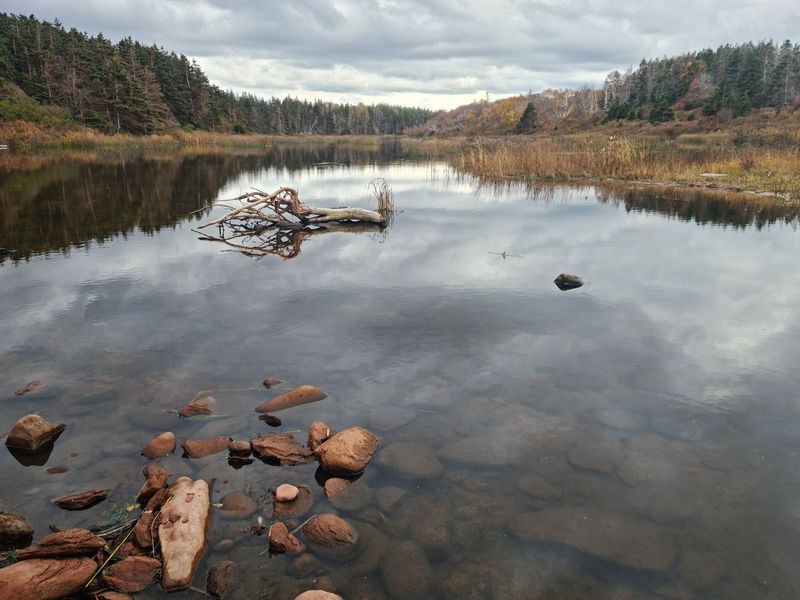
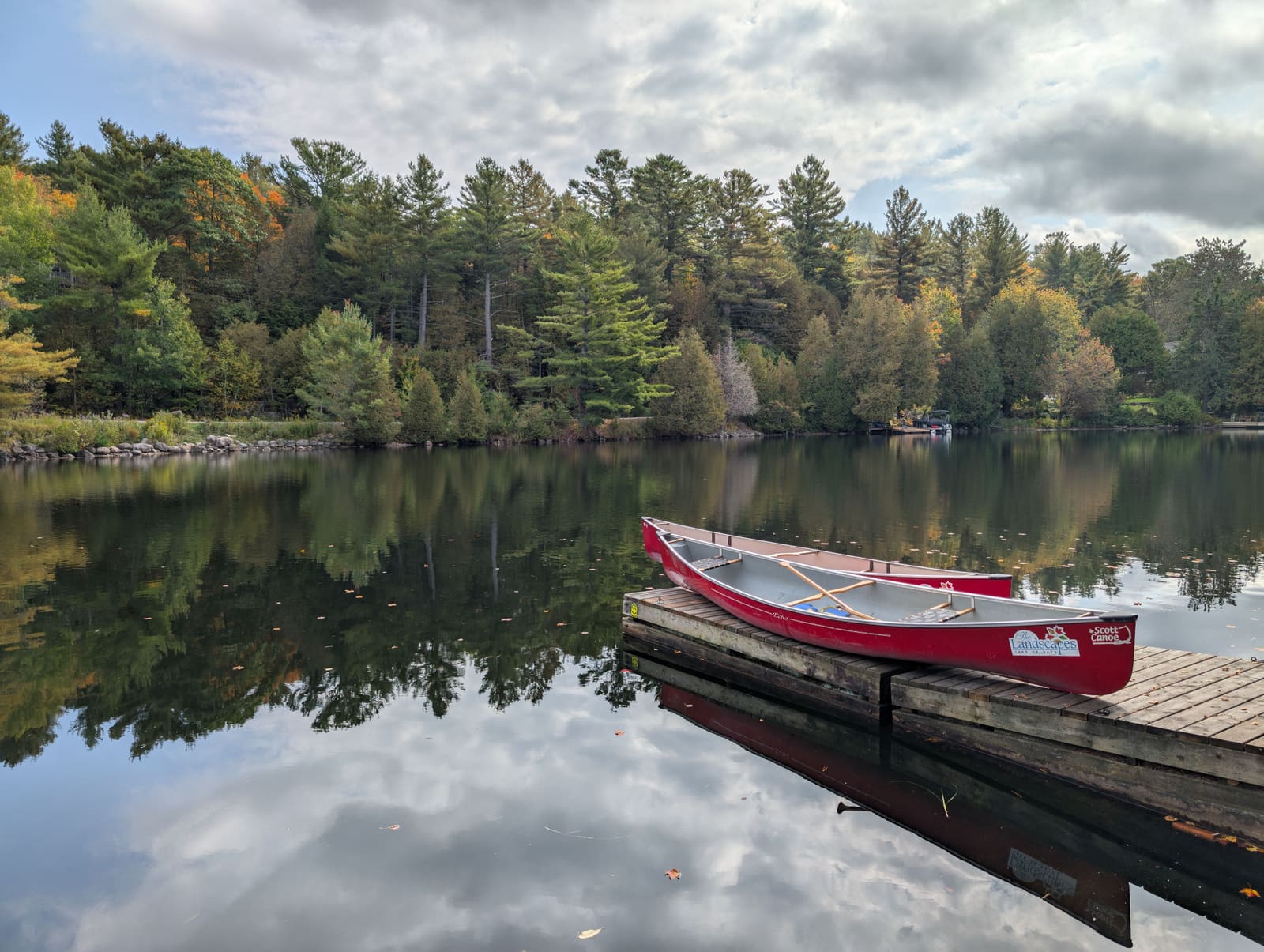
Canoe Lake in Algonquin Park sits quiet under a shifting autumn sky. The water reflects trees mid-transition, their greens bleeding into copper and rust. A loon surfaces, watches, disappears. This stillness has drawn people for centuries, though not always for the same reasons.
For early 20th-century painters such as Tom Thomson and the Group of Seven, these woods offered raw material for a new vision of Canada. Their canvases, bold with colour and motion, brought remote wilderness into public galleries and middle-class parlours. Thomson's The Jack Pine became an icon. His death in 1917, at 39, spurred his peers to formalise the Group of Seven, an artist collective that would define how many people saw the country's north.
But the land they painted was never empty. The Omàmìwininì and Madaoueskarini Anishinaabe peoples had lived, travelled, and marked these places long before any European arrived with an easel.
Layers Beneath the Paint
Christine Luckasavitch's family was expelled from what is now Algonquin Park in 1893, when colonial authorities carved out the reserve for logging. For decades, Indigenous people were barred from land their ancestors had shaped and named. A birchbark canoe now on display at the park's Visitor Centre marks a modest reversal: in 2023, it became the first vessel made by an Algonquin builder, using birch harvested within the park, to paddle Lake Opeongo in a century.
Luckasavitch, who until recently ran cultural tours centred on First Peoples' voices, points out what the famous paintings omit. Red ochre on rock faces, quartz tools, ceremonial routes across linked waterways: these are forms of art too, older and less portable than oil on board. The painters had freedom of movement. The people who named the lakes did not.
Kevin Eshkawkogan, president of the Indigenous Tourism Association of Ontario, frames it plainly. The Group of Seven painted landscapes empty of people, yet those landscapes were tended, named, and held sacred by communities who remain.
What the Gallery Holds Now
The McMichael Canadian Art Collection in Kleinburg, north of Toronto, houses the largest concentration of Group of Seven works in the country. Curator John Geoghegan notes that the artists painted during the interwar years, a period when Canada sought an identity separate from its colonial past. Their bold, stylised treatment of rock, water, and sky became a national symbol.
Today the gallery places those canvases alongside contemporary Indigenous art. Norval Morrisseau's The Protector, a swirling figure of crow and fish, commands its own wall. Morrisseau was Ojibway Anishinaabe and a founding member of the Professional Native Indian Artists Inc., a collective formed in the 1970s and later nicknamed the Indian Group of Seven by Canadian media. Their work referenced forms and stories that colonial policy had long suppressed.
Geoghegan explains that the two groups approached landscape differently. The PNIAI used bone, wood, textile, and performance, not just paint. Their art reclaimed what had been forbidden.
Back to the Land
Mādahòkì Farm, between Algonquin Park and Ottawa, offers a different kind of gallery. A teepee stands ready for summer gatherings. Ojibwe Spirit Horses graze in open pasture. Objects that sit behind glass in city museums are here in use.
Stephanie Sarazin, a Pikwakanagan First Peoples artist, speaks about dance and ceremony as living practices, not artefacts. The stories she shares belong to a present tense, not a vanished past. The landscapes that Thomson sketched are still inhabited, still named in languages older than English or French.
What a Visitor Sees
Ottawa in mid-May blooms with tulips, a gift from the Netherlands after the Second World War. The Rideau Canal, now a heritage waterway, was once hunting ground. The city's name comes from the Anishinaabe word for the river that runs through it. Marks of older presence are everywhere if you know where to look.
Algonquin Park offers 19 hiking trails, some passing remnants of the logging industry that once drove its creation. The same beech forests that inspired Arthur Lismer's Wood Interior, Algonquin Park still catch the light. Franklin Carmichael's brooding skies still gather over the ridges.
On a small island in Canoe Lake, a memorial cairn honours Thomson. Beside it stands a brightly painted totem pole, erected in the 1930s by summer camp students. The style mimics west coast Indigenous art, though it has no connection to Thomson or to the Algonquin nations of Ontario. Biographer Roy MacGregor calls it an incongruous marker. It is a reminder that even tributes can misunderstand.
A Broader Frame
The Group of Seven's patron, Dr James MacCallum, once said they had captured the spirit of Canada on a board eight by ten inches. That spirit, though, was always larger and older than any single artist could frame.
Galleries in Ontario now make space for both traditions. The Art Gallery of Ontario in Toronto and the National Gallery of Canada in Ottawa display the Group of Seven alongside work by Morrisseau, Kent Monkman, and others whose art engages with colonialism, displacement, and survival. Exhibitions such as Early Days bring conversations from the Truth and Reconciliation Commission into the gallery, asking visitors to see what was left out.
Algonquin Park remains a draw for paddlers, hikers, and those chasing the same vistas Thomson once sketched. The difference now is that more visitors leave understanding the park was never a blank canvas. It was home, and it still is.