The Dining Room Isn't What It Used To Be
The eight o'clock dinner slot used to be the most coveted reservation on a cruise ship. Passengers would dress up, settle in for a leisurely multi-course meal, and treat the dining room as the centrepiece of their evening. That era is fading fast.
Christine Duffy, president of Carnival Cruise Line, told an industry audience in late September 2026 that passengers today resist spending 90 minutes at a formal table. Instead, they want faster service that frees them to use the gym, book a spa treatment, or simply lounge by the pool. The vessel itself has become the main attraction, and guests are managing their time accordingly.
The change reflects a broader shift in who cruises and what they expect. Carnival's customer base skews towards multigenerational families and travellers watching their budgets. For them, the ship is less about white-glove ritual and more about maximising variety within a fixed price. That means quick bites, flexible schedules, and a wider range of activities packed into the same itinerary.
Redesigning Around Behaviour, Not Tradition
Carnival has responded by reconfiguring its dining options. Buffets and grab-and-go counters have grown in prominence, while traditional dining rooms have been scaled back or reimagined to allow faster turnover. The goal is to let passengers eat when they want, then move on to whatever else the ship offers.
This isn't just about food. Fitness centres and wellness facilities have expanded in recent years, reflecting a growing appetite for active holidays. Spas, which once occupied modest corners of the ship, now command significant square footage. Even entertainment schedules have been compressed to fit shorter attention spans and tighter evening windows.
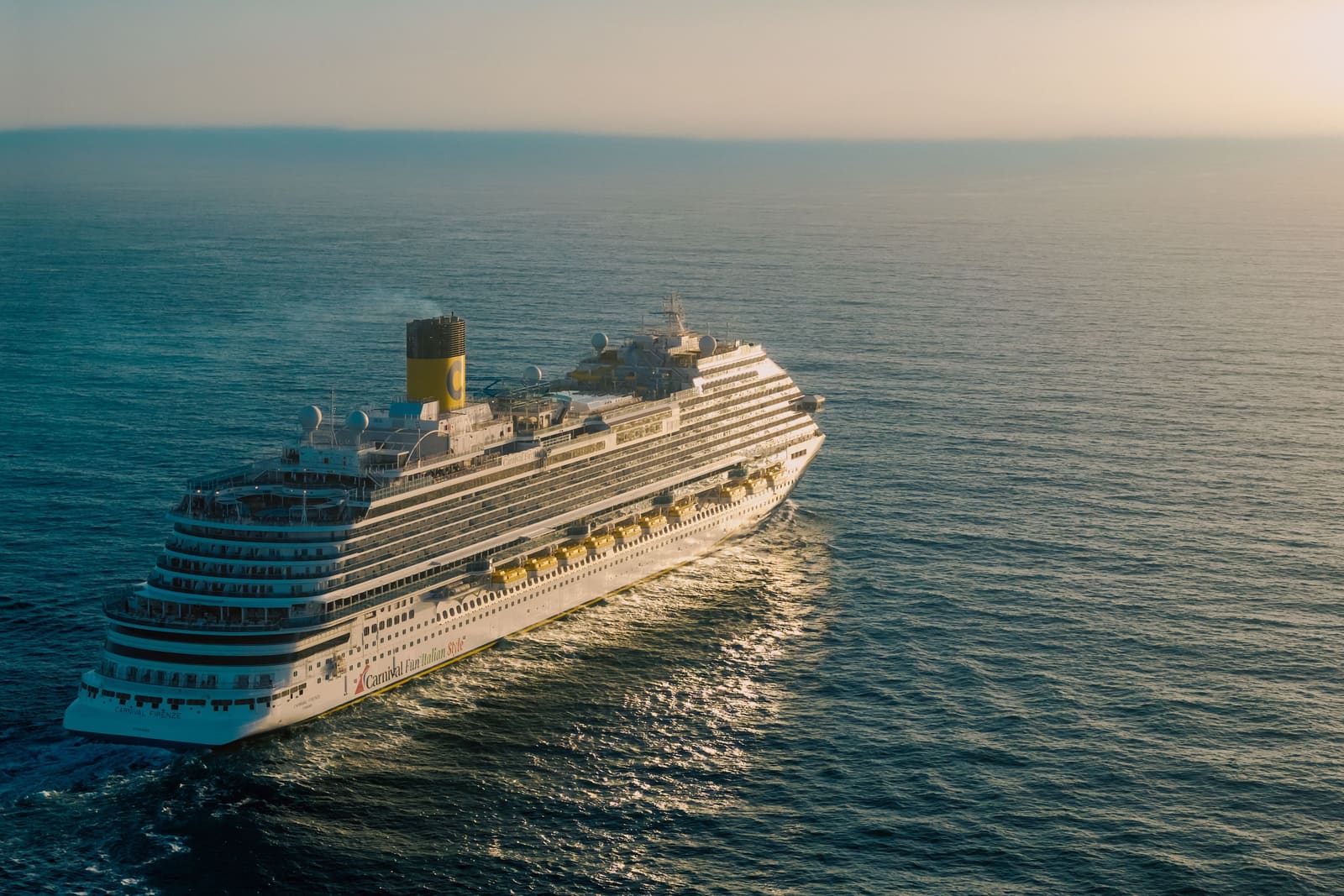
The shift also influences ship design. Larger vessels can accommodate more specialised zones, from adults-only retreats to children's play areas, without forcing every passenger through the same communal routines. Carnival has been building bigger ships to meet this demand, banking on economies of scale to keep fares low while offering more choice.
The Affordability Play
While premium cruise lines chase higher-spending travellers with suite-only ships and bespoke itineraries, Carnival has doubled down on affordability. The line targets drive-to ports, which eliminate airfare and make cruising accessible to families in the southern United States and Gulf Coast regions. Short sailings of three to five days dominate the schedule, offering a quick escape without the commitment of a week-long voyage.
This strategy aligns with broader consumer trends. Inflation has made travellers more price-conscious, and many households are trading down from resorts or international flights to cruises that bundle accommodation, meals, and entertainment into one upfront cost. Carnival's model caters to that shift, emphasising value over exclusivity.
But affordability doesn't mean bare-bones. The line has invested in onboard experiences that feel premium without premium pricing: upgraded cabins with better layouts, chef-branded casual eateries, and immersive entertainment that rivals land-based attractions. The aim is to deliver perceived luxury at a middle-market price point.
Multigenerational Travel and the Long Tail
Carnival's focus on families spanning three or even four generations shapes nearly every operational decision. Grandparents, parents, and children all need to find something engaging, which means the ship must function as a resort, theme park, and hotel rolled into one.
Childcare facilities have expanded, giving parents time to relax while younger passengers stay occupied. Teen zones offer age-appropriate activities that keep adolescents from drifting into boredom. Meanwhile, quieter adult areas provide respite for older travellers who want a break from the noise.
This demographic mix also drives the shift away from formal dining. Wrangling young children through a 90-minute seated meal is a challenge few parents relish on holiday. Quick-service options let families eat at their own pace, then split up for activities that suit each age group.
The multigenerational trend isn't unique to Carnival, but the line has leaned into it more aggressively than many competitors. Marketing emphasises reunions, milestone birthdays, and family bonding, positioning the cruise as an easy way to gather relatives without the logistical headache of coordinating flights and hotels.
What It Means for the Broader Market
Carnival's adjustments offer a window into how mass-market travel is evolving. Passengers want control over their time, even within the structured environment of a cruise. They expect variety without complexity, and they prize flexibility over tradition.
Other cruise lines are watching. While luxury operators continue to court high-net-worth individuals with intimate ships and curated itineraries, the volume players are redesigning their fleets to match Carnival's emphasis on speed, choice, and accessibility. That could accelerate the bifurcation of the cruise industry into distinct tiers, each serving a different traveller profile.
For ports and destinations, the implications are mixed. Shorter cruises mean more frequent arrivals but less time in each location, which can strain infrastructure without delivering proportional economic benefit. Drive-to embarkation points gain traffic, while fly-to destinations may see demand plateau.
The shift also poses questions for onboard revenue. Traditional dining rooms were reliable venues for upselling wine, cocktails, and premium dishes. Casual dining formats generate less per-head spending, so lines must find other ways to capture discretionary budgets. That's where spas, excursions, and retail come in, each designed to convert saved dining time into incremental revenue.
The Ship as Destination
Duffy's comment that the ship itself has become the destination isn't marketing speak. It reflects a genuine change in how passengers perceive the cruise experience. For many, the ports of call are secondary to the onboard amenities. The vessel is the holiday, and the shore stops are optional add-ons.
This mindset has implications for itinerary planning. Lines can prioritise convenient embarkation points and shorter sailing distances, knowing that passengers care more about what's on deck than what's on the horizon. It also reduces pressure to secure exclusive or exotic ports, since the bulk of the experience happens at sea.
For Carnival, that logic underpins its fleet expansion and its reluctance to chase premium positioning. The line is betting that the future of mass-market cruising lies in bigger ships, faster service, and prices that keep the experience within reach of middle-income families. Whether that bet pays off will depend on how well it can sustain margins while meeting ever-rising expectations for variety and convenience.
As passenger habits continue to evolve, the industry will need to keep adapting. The formal dinner may be fading, but the appetite for travel, connection, and escape remains as strong as ever.