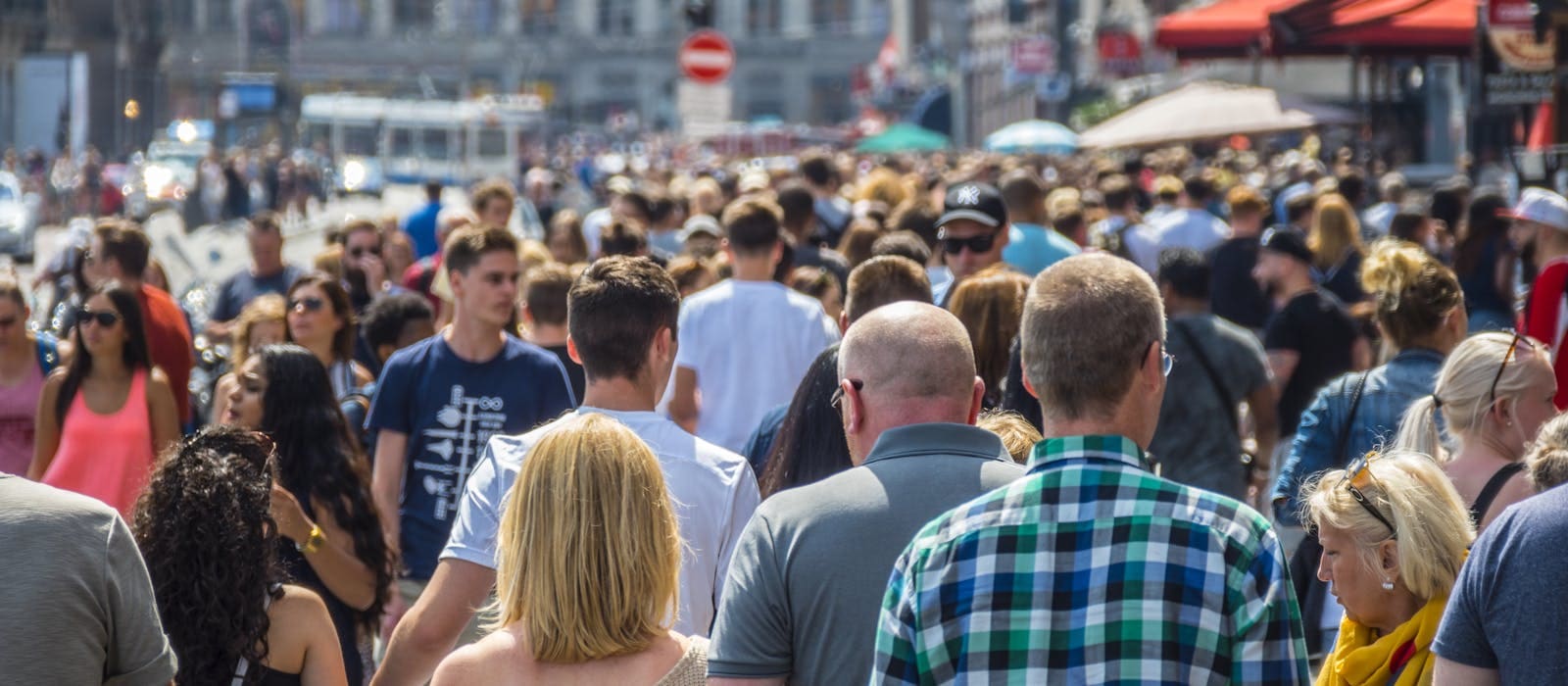
A Line in the Sand
Amsterdam reached its self-imposed ceiling of 20 million overnight stays in 2023. The cap, adopted after the pandemic began, was the product of a citizen initiative to slow the tide of visitors overwhelming the city. Since then, Amsterdam has layered on a 12.5% tourist tax, tightened short-term rental rules, limited cruise arrivals, and capped visitor numbers at major attractions. The message is clear: the city wants fewer people walking its streets.
It is not alone. Greece now levies a climate resilience charge on top of its existing tourist tax for all overnight stays. Several European cities have restricted cruise ships in the name of cutting emissions and easing pressure on residents. These moves reflect a broader shift in how destinations think about tourism. For decades, more visitors meant more revenue and more jobs. Now, the equation is being questioned.
The Case Against Endless Growth
The debate over a third runway at London's Heathrow airport has brought this tension into focus. The UK government argues that economic benefits outweigh environmental and social costs. But the expansion has been shown to conflict with net-zero commitments, and the project sits within a larger pattern: global tourism accounts for roughly 8% of CO₂ emissions, and those emissions are expected to keep rising despite advances in technology.
Meanwhile, residents in popular destinations have taken to the streets to protest overcrowding, the loss of local services, and housing markets distorted by short-term rentals. The question is whether the traditional tourism playbook, built on volume and growth, still makes sense when cities are buckling under the weight of their own success.
Research from the University of Westminster suggests that aligning tourism with other sectors and coordinating decisions across levels of government could yield better outcomes for wellbeing, the environment, and local economies. The idea is to step back from growth as the primary goal and instead ask what tourism should deliver to a place and its people.
Approaches That Rethink the Model
A cluster of frameworks known collectively as post-growth economics offers a different lens. Degrowth argues that shrinking economic activity is necessary for sustainability. Doughnut economics and regenerative models take a more neutral stance on GDP, prioritizing human and ecological wellbeing whether the economy expands or contracts. Applied to tourism, these approaches reframe the sector's role: not as a revenue engine first, but as a contributor to quality of life and environmental health.
Copenhagen has experimented with this philosophy through its CopenPay pilot, which rewards visitors for climate-friendly behavior. Travelers who cycle, use public transport, or volunteer receive discounts or free entry to two dozen attractions. The initiative flips the usual script, incentivizing low-impact activity rather than simply taxing high-impact choices.
Why the Fixes Fall Short
Yet even these creative measures face criticism. Most rely on financial levers: entrance fees, tourist taxes, pollution charges. They assume that pricing can manage demand without addressing the underlying drive for growth. Arguments for green growth, such as scaling up sustainable aviation fuel, rest on similar assumptions. But a growing chorus within and beyond the travel sector contends that green growth is more aspiration than reality. The volume of travelers continues to climb, and technology alone has not bent the emissions curve downward.
The second problem is structural. Cities cannot solve these issues on their own when national policy pulls in the opposite direction. Amsterdam's leaders want to reduce flight capacity at Schiphol airport to curb overtourism, noise, and air pollution. But the Dutch government's focus on economic growth has made that goal difficult to achieve. The same dynamic is likely to play out in London if Heathrow, Gatwick, and Luton all expand. The economic gains may accrue at the national level, while the environmental and social costs land squarely on residents, beyond the reach of local policy.
Closer By, Slower Down
An alternative vision centers on proximity and pace. Instead of chasing distant markets and high volumes, destinations could emphasize nearby travelers, invest in low-carbon transport, and support regenerative activities that restore rather than extract. The aim would be to ensure that economic benefits do not come at the expense of long-term ecological and social health.
This shift would require coordination across government layers and sectors, as well as a willingness to define success differently. It would mean accepting that some places might attract fewer visitors and generate less revenue, but gain stability, livability, and resilience in return.
The debate over airport runways and tourist caps is not just about numbers. It is about what cities value and who gets to decide. As more destinations hit their limits, the question is whether they will find ways to manage growth or whether they will begin to question growth itself.