The Bill Came Due
Jet fuel jumped 75% compared to the same period last year, a surge that turned airline earnings calls into a recurring conversation about damage control. Carriers had warned investors for months that fuel would eat into margins. The question was always how much of that extra expense could be recovered.
Now the answer is in: between roughly a quarter and half, depending on who you fly with.
IATA projects jet fuel will average $152 per barrel this year, up from $90 in 2025. That shift pushes fuel from about a quarter of operating costs to nearly a third. The trade body has already cut its 2026 global airline profit forecast in half, down to $23 billion, largely because of fuel.
The spike traces back to tensions in the Gulf earlier this year. Prices hit four-year highs in April, forcing airlines to trim schedules, delay capital spending, and in some cases pull their financial guidance entirely. Though prices have eased since that peak, they remain sharply elevated.
What Recovery Looks Like
Airlines call it recapture: the portion of a cost increase they manage to offset through higher fares, ancillary fees, or operational adjustments. It is a polite term for raising prices, but it is also more than that. Some carriers leaned on cost cuts, route optimization, or reduced frequency to cushion the blow.
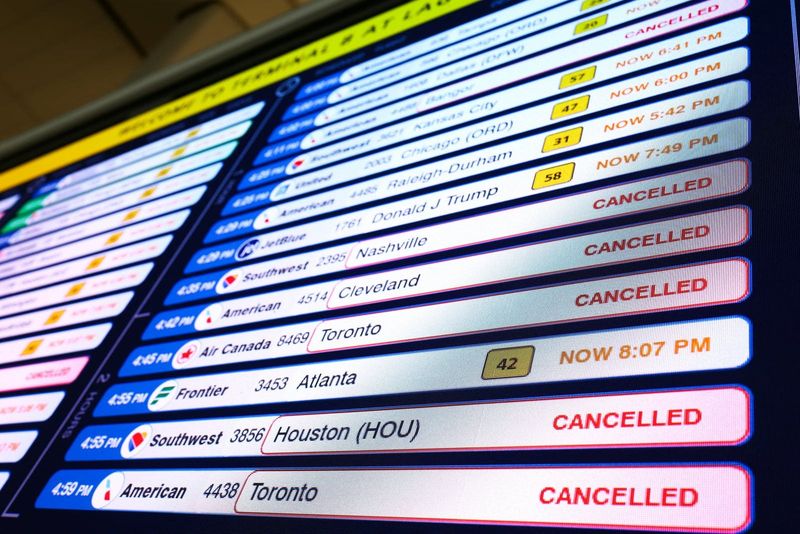
The results varied widely. Some airlines reported recapture rates above 50%, meaning they offset more than half the fuel increase. Others, like Volaris, managed only 28%. The gap reflects differences in market power, route networks, and competitive dynamics.
Carriers with strong leisure demand and limited competition fared better. Those serving price-sensitive markets or facing aggressive low-cost rivals found it harder to push through fare increases without losing bookloads.
The Gulf Factor
One wrinkle complicating the picture: disrupted traffic flows through Gulf hubs. Geopolitical tensions temporarily rerouted long-haul passengers, creating short-term demand spikes on alternate routes. That gave some airlines unexpected pricing leverage, even as fuel costs climbed.
The question now is whether that pricing power holds once Gulf hub traffic normalizes. If the capacity returns and competition intensifies, recapture rates could shrink. Airlines that counted on temporary routing advantages may find themselves squeezed between stable fuel costs and softening fares.
Who Absorbed the Hit
The carriers most exposed are those with thin margins, high fuel burn relative to revenue, or networks heavily weighted toward price-sensitive travelers. Ultra-low-cost carriers, in particular, often operate on razor-thin unit economics. A sustained fuel spike without corresponding fare increases can turn profitable routes marginal.
Legacy carriers with diversified revenue streams, premium cabins, and corporate contracts generally have more room to maneuver. They can nudge business fares higher, adjust capacity on lower-margin routes, or lean on loyalty program revenue to smooth over fuel volatility.
Still, no one is immune. Even the best-positioned airlines saw profit margins compress. The difference is whether that compression is survivable or existential.
What Comes Next
Fuel prices remain volatile. IATA's $152 forecast is an average, not a ceiling. If geopolitical tensions flare again or refining capacity tightens, prices could climb further. Airlines are watching crude oil markets, refinery margins, and currency moves, all of which feed into the jet fuel price.
Some carriers are adding fuel surcharges, a mechanism that makes the cost more transparent to passengers but also more politically sensitive. Others are embedding increases into base fares, which keeps the optics cleaner but offers less flexibility to adjust if fuel prices drop.
Capacity discipline will likely remain a theme. Airlines learned during the pandemic that flying less can sometimes mean earning more, especially when fuel is expensive. Expect continued scrutiny of marginal routes and off-peak frequencies.
The spring fuel shock was a stress test. Airlines that emerged with recapture rates above 50% demonstrated real pricing power. Those that struggled to break 30% face harder questions about their competitive position and cost structure. The next few quarters will show whether this pricing power was a one-time windfall or something carriers can sustain.