A Reversal After Decades of Damage
Albania spent much of the late twentieth century reshaping its waterways. Dams fragmented river systems, hydroelectric projects redirected flows, and lakes became engineering problems rather than ecosystems. The environmental cost was steep, measured in lost habitats, disrupted fish migrations, and silted riverbeds downstream.
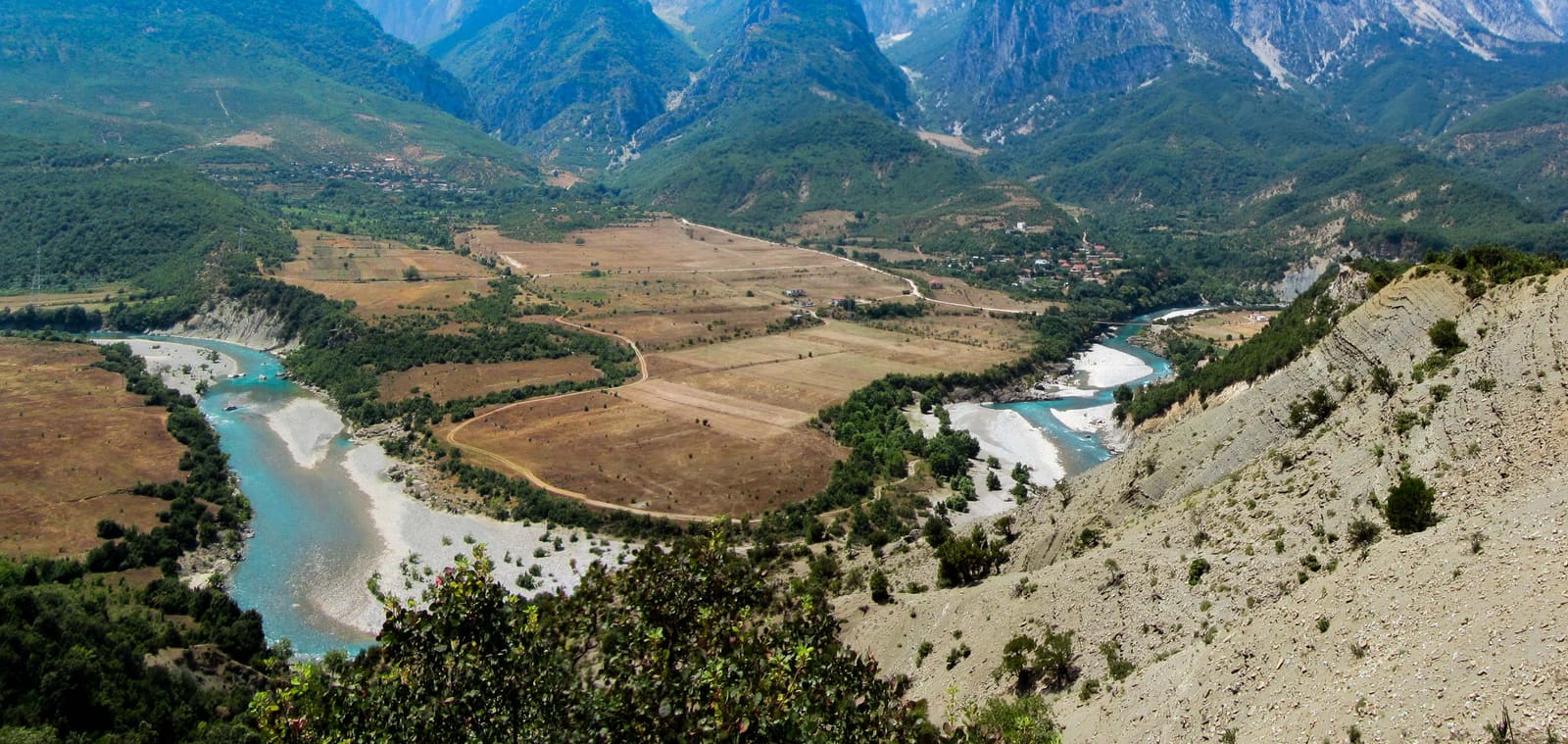
The shift began quietly in recent years. Instead of more concrete and turbines, the country designated the Vjosa River system as a national park, the first in Europe to protect an entire free-flowing river from source to sea. The park covers a vast stretch of undammed water, braided channels, and riparian forest, a rarity on a continent where nearly every major river has been straightened, dammed, or channeled.
The designation marked a policy pivot. After decades of prioritizing energy infrastructure and agricultural expansion, Albania chose to preserve what remained of its wild rivers. The Vjosa's tributaries still shift course with seasonal floods, carving new gravel bars and side channels each spring. Rare species, including the critically endangered Balkan lynx and several endemic fish, depend on the river's natural rhythms.
What Protection Actually Means
National park status offers legal safeguards, but enforcement remains uneven. The park's boundaries cover the main river channel and adjacent floodplains, but surrounding land use is less restricted. Small-scale gravel extraction, illegal logging, and agricultural runoff continue in some areas, particularly where local communities depend on those activities for income.
Tourism infrastructure has begun to appear along the river's edges. Guesthouses, rafting outfitters, and access roads have multiplied in the past few years, driven by international interest in wild river experiences. The growth is modest compared to more established European destinations, but the trajectory is clear. Visitor numbers have climbed steadily, and with them, pressure to build more accommodations and services.
The park's management plan aims to balance access with preservation. Designated camping zones, seasonal restrictions on certain river sections, and limits on motorized boats are part of the framework. Implementation has lagged, partly due to limited funding and staff, partly due to competing interests among government agencies, local councils, and private landowners.
Development Proposals on the Horizon
A proposed luxury resort project has added a new layer of complexity. Plans for a high-end development near the park's perimeter have circulated in recent months, backed by international investors with ties to high-profile business figures. The project would include hotels, villas, and amenities aimed at affluent travelers seeking exclusive access to the river landscape.
Proponents argue the development would bring jobs and investment to a region with limited economic opportunities. Construction work, hospitality positions, and supply contracts could benefit nearby towns. They also point to the resort's distance from the most ecologically sensitive sections of the park, suggesting that careful design could minimize environmental impact.
Environmental advocates see the proposal differently. Large-scale construction near the park risks fragmenting wildlife corridors, increasing light and noise pollution, and straining local water supplies. The resort's target clientele would likely arrive by private transport, requiring new roads and infrastructure that could open previously remote areas to further development. Once one luxury project succeeds, others tend to follow, a pattern seen across Mediterranean and Adriatic destinations.
The debate also touches on broader questions about who benefits from conservation. If the park becomes a backdrop for exclusive resorts, access for ordinary Albanians and budget travelers may shrink. High-end tourism generates revenue, but it often flows to international operators and investors rather than local communities.
The Weight of History
Albania's environmental record complicates the present discussion. The country's rivers were heavily exploited for decades, with little regard for ecological consequences. The Vjosa survived largely because planned dams were never built, not because of deliberate conservation policy. The national park designation represents a break from that past, but it also arrives late, after much damage has already been done elsewhere.
Rewilding a landscape is not the same as never having altered it. The Vjosa's ecosystems are resilient, but they exist within a broader context of degraded habitats, reduced biodiversity, and climate pressures. Protecting the river matters, but it cannot undo the loss of other Albanian waterways or restore species already gone.
The current generation of policymakers and conservationists inherited a difficult starting point. They must navigate between economic development pressures, international tourism interests, and the fragile ecological gains of the past few years. The decisions made now will determine whether the Vjosa remains a functioning wild river or becomes another managed amenity, protected in name but compromised in practice.
What Comes Next
The luxury resort proposal has not yet received final approval, but the process is moving forward. Environmental impact assessments are underway, and public consultations have begun, though access to detailed plans remains limited. Local residents are divided, some hopeful for economic opportunities, others wary of disruption and inequality.
Meanwhile, the park itself needs more robust management. Funding for ranger patrols, habitat restoration, and community engagement programs remains insufficient. International conservation organizations have provided support, but long-term sustainability requires domestic commitment and resources.
The Vjosa's fate will test Albania's stated priorities. If the park can withstand development pressures and receive the investment it needs, it could become a model for river conservation in a region where such examples are scarce. If it becomes a setting for high-end resorts and compromised protection, it will join a long list of places where conservation language masked a very different reality.
For now, the river still flows freely, carving its own path through gravel and stone. How much longer that remains true depends on choices being made in government offices, corporate boardrooms, and village meetings across the watershed.