The Numbers Tell a Lopsided Story
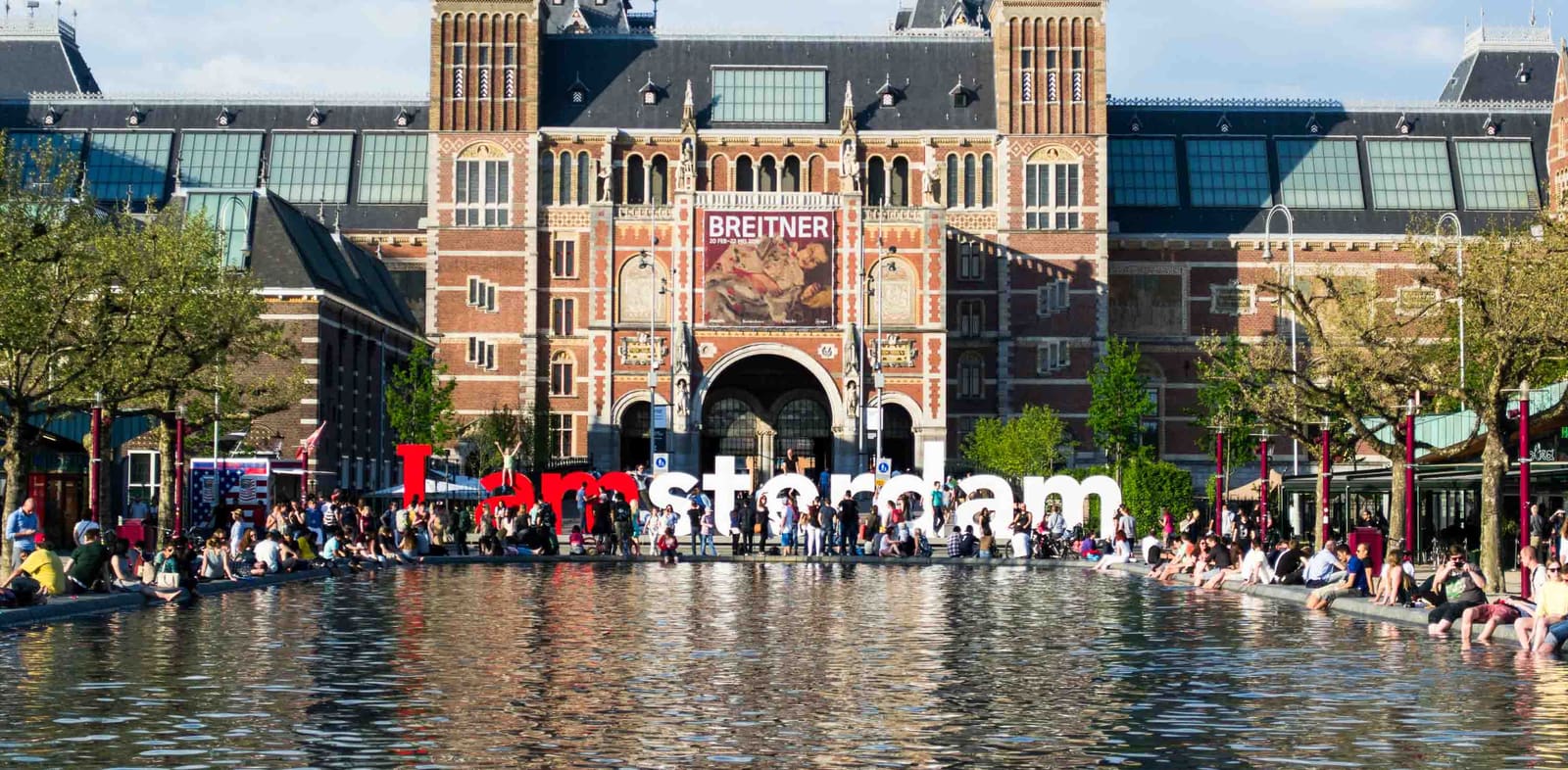
Amsterdam faces a ratio that would test any city: fewer than one million permanent residents, more than 20 million overnight guests annually. That's roughly 22 visitors for every local. The math alone suggests tension, and tension is exactly what has built up over the past decade. Noise complaints multiply. Trash piles appear in residential lanes. Public squares feel more like transit hubs than gathering spots.
Yet the response taking shape in Amsterdam differs from the playbook used elsewhere. There are no sweeping bans, no caps on arrival numbers, no campaigns telling travelers to stay away. Instead, residents and city planners are experimenting with a more surgical approach: redirect flows, redesign spaces, and reclaim neighborhoods without severing the economic and cultural ties tourism brings.
Living With the Crowds, Not Against Them
The conversation in Amsterdam has shifted from whether tourism is good or bad to how it can coexist with daily life. Locals have grown weary of being extras in someone else's vacation photos, of stepping over suitcases on tram platforms, of watching rental prices climb as short-term lets proliferate. But outright rejection of visitors is rare. The city's economy depends on hospitality, and many residents work in sectors that serve travelers.
What locals want, it turns out, is not an empty city but a functional one. They want to sleep through the night. They want grocery stores that stock more than stroopwafels. They want neighborhoods where children can play without dodging tour groups. These are modest asks, but they require rethinking how tourism is managed at the street level.
Strategies That Skip the Headlines
Amsterdam has rolled out a series of quieter interventions. Some are spatial: moving tourist information points away from residential cores, widening pedestrian zones to reduce bottlenecks, and creating alternative routes that funnel visitors through commercial districts rather than quiet streets. Others are regulatory: tightening rules on short-term rentals, limiting new hotel construction in saturated zones, and increasing fines for public nuisance behavior.
None of these measures make for dramatic policy announcements, and that may be the point. They aim to smooth friction rather than spark confrontation. Early results suggest the approach is gaining traction. Certain neighborhoods report fewer late-night disturbances. Rental availability for long-term residents has inched upward in areas where Airbnb-style listings faced new restrictions. Public satisfaction surveys show modest improvements, though complaints remain common.
The Broader Context
Amsterdam is hardly alone in wrestling with visitor volume. Barcelona, Venice, Dubrovnik, and Kyoto have all grappled with similar pressures. Some have imposed tourist taxes, others have capped cruise ship arrivals or restricted access to historic sites. Amsterdam's strategy sits somewhere in the middle: not laissez-faire, not draconian, but incremental and adaptive.
The challenge is that incremental change doesn't always keep pace with exponential growth. Visitor numbers have climbed steadily for years, driven by affordable flights, social media visibility, and the city's reputation as a compact, walkable destination. Even small percentage increases translate into hundreds of thousands of additional overnight stays. Infrastructure built for a smaller population struggles to absorb the load.
What Locals Are Saying
Conversations with residents reveal a mix of pragmatism and frustration. Many acknowledge that tourism funds public services, preserves heritage buildings, and supports jobs. They also note that benefits are unevenly distributed. Hotel chains and international platforms capture much of the revenue, while local businesses face rising rents and neighbors endure the downsides.
There's also a generational divide. Older residents remember a quieter Amsterdam and feel the loss more acutely. Younger locals, especially those in creative or hospitality sectors, are more likely to see tourism as part of the city's identity. Both groups, however, agree on one thing: the current model needs adjustment.
Looking Ahead
Amsterdam's approach offers a case study in managing overtourism without resorting to blunt instruments. Whether it succeeds depends on sustained political will, adequate funding for enforcement, and the ability to adapt as conditions change. If visitor numbers continue to climb, more aggressive measures may become necessary. If they plateau or decline, the city may find a new equilibrium.
For now, the experiment continues. Residents are watching closely, measuring progress in decibels, rental listings, and the ability to navigate their own streets. Tourists, meanwhile, may notice little difference, which is perhaps the goal. A well-managed city shouldn't feel like a museum or a theme park. It should feel like a city where people live, work, and occasionally welcome guests without losing themselves in the process.