The Uncomfortable Reckoning
The job description sounds idyllic: spend your working life in one of the planet's most pristine environments, sharing its wonders with travelers who have saved years to witness icebergs calving and penguin colonies up close. For Antarctic expedition guides, it was supposed to be the culmination of a passion for wilderness and education.
But that dream is colliding with an uncomfortable reality. Some guides are now choosing to leave the profession altogether, unable to reconcile their environmental values with the growing stream of cruise ships ferrying tourists to the continent's fragile shores.
The core tension is simple yet profound. These guides entered the field to protect and interpret Antarctica's ecosystems. Now they find themselves part of an industry whose expansion, they believe, contributes to the very changes threatening the place they love.
Numbers That Don't Add Up
Antarctic tourism has grown exponentially over the past two decades. The International Association of Antarctica Tour Operators reported that visitor numbers climbed from roughly 13,500 in the 2002-2003 season to more than 100,000 in recent years. Cruise operators have added larger vessels and more frequent departures to meet surging demand.
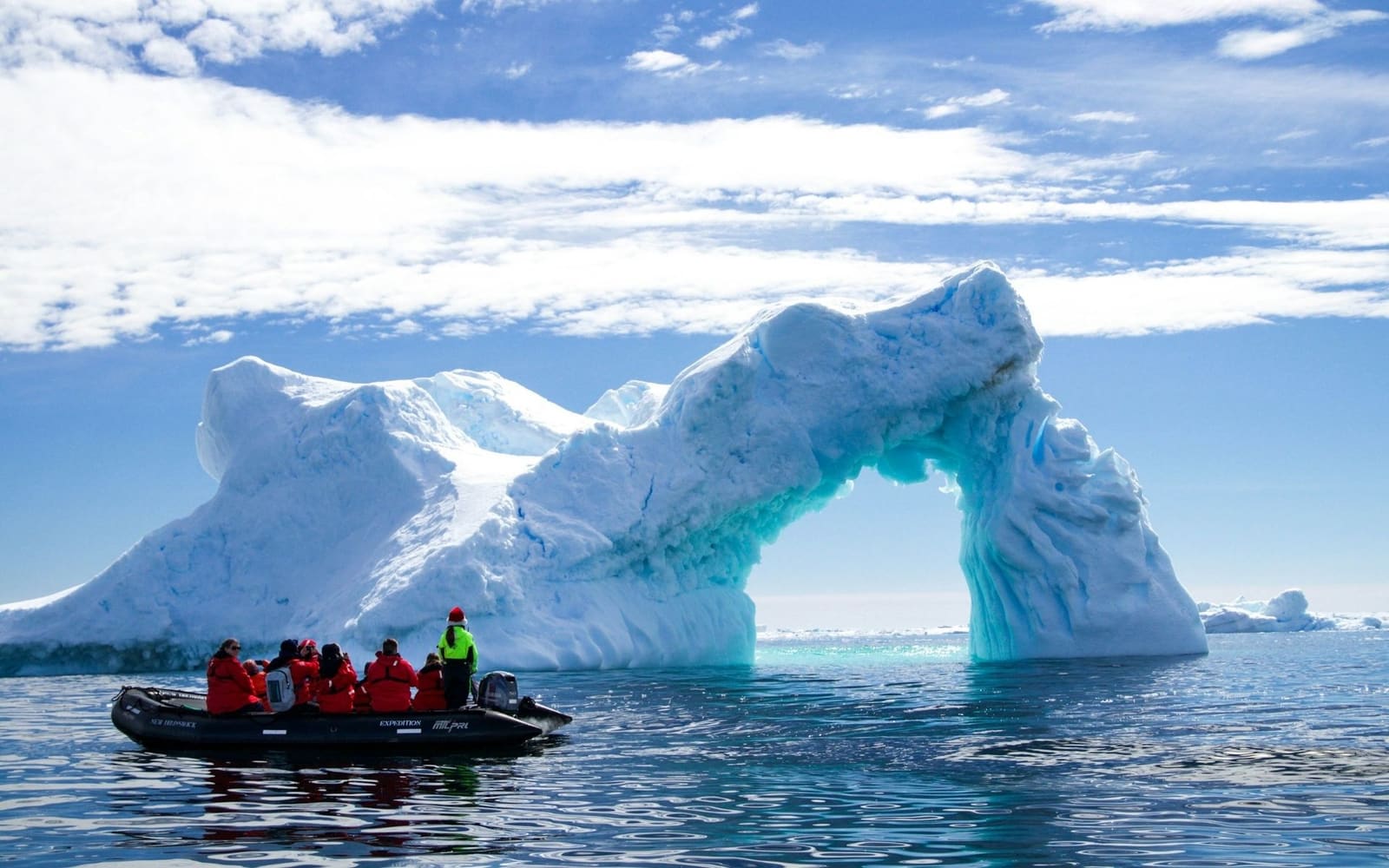
For the guides leading shore excursions and zodiac landings, that growth has meant busier seasons, more crowded landing sites, and an increasing sense that the cumulative impact is impossible to ignore. Even with strict protocols limiting the number of people ashore at any given time, the sheer volume of visits adds up.
The irony is sharp. Many travelers come to Antarctica specifically because of climate awareness, wanting to see the continent before it changes further. Yet the carbon footprint of reaching the remote destination, combined with the physical presence of thousands of visitors, becomes part of the problem.
The Moral Weight of Guiding
Several former guides have described their departure from the industry as a matter of conscience. They speak of watching glacier retreat accelerate, of seeing wildlife populations shift, of feeling complicit in a system that markets environmental concern while expanding its own footprint.
One recurring theme is the disconnect between the messaging and the reality. Tour operators often emphasize education and conservation as core to their mission. Guides are trained to share the science of climate change with passengers. But when those same passengers arrive on ships burning heavy fuel oil and contributing to the pressures already stressing Antarctic ecosystems, the educational mission starts to feel hollow.
The guides leaving the profession are not abandoning their commitment to polar regions. Many are redirecting their expertise toward research, advocacy, or education that doesn't require facilitating visits to the places they want to protect.
The Industry's Defense
Antarctic cruise operators counter that their presence supports scientific research through logistical partnerships and funding. They argue that exposing travelers to the continent's beauty creates a constituency of people who care about its future and may advocate for stronger protections.
Some also point to improved environmental practices: newer ships with cleaner engines, stricter waste management, and voluntary limits on passenger numbers at certain sites. Industry groups maintain that well-managed tourism is less harmful than unregulated visits or extractive activities like fishing.
Yet these arguments do little to address the fundamental question troubling departing guides: whether any level of tourism growth is sustainable in an environment already under severe stress from warming temperatures and melting ice.
What Departure Signals
The exodus of experienced guides carries practical consequences. These professionals bring years of field knowledge, safety expertise, and interpretive skill. Replacing them with less experienced staff could affect the quality of trips and the effectiveness of environmental messaging.
But the deeper signal is about credibility. When the people most intimately familiar with Antarctic conditions, the ones who have spent seasons observing changes firsthand, decide they can no longer participate, it suggests the contradictions within polar tourism are becoming impossible to ignore.
The guides stepping away are not calling for an outright ban on Antarctic travel. Most recognize the complexity of the issue and the economic realities for gateway communities in South America. What they are doing is refusing to be the human face of an industry they believe is expanding beyond defensible limits.
The Tension Travelers Inherit
This creates an uncomfortable position for travelers themselves. The desire to experience Antarctica is understandable and, for many, rooted in genuine appreciation for wilderness. But the departure of guides on ethical grounds raises questions about what kind of travel is still justifiable.
Some operators are responding by capping passenger numbers, investing in carbon offset programs, or shifting toward smaller expedition vessels. Whether these measures are sufficient, or simply allow the industry to continue growing with a cleaner conscience, remains contested.
For now, the guides who have chosen to leave are voting with their feet. Their departure is a quiet but pointed statement about the limits of reconciling conservation values with an industry built on bringing more people to one of the last truly wild places on Earth.
The question left behind is whether the rest of the industry, and the travelers who support it, will take that statement seriously.