A Job That Stops Making Sense
Standing on deck in a T-shirt during what should have been a freezing Antarctic day, one expedition guide knew something fundamental had shifted. The year was 2020, and the thermometer had just recorded the continent's hottest temperature on record. Guests celebrated the unusual warmth. The guide felt something closer to grief.
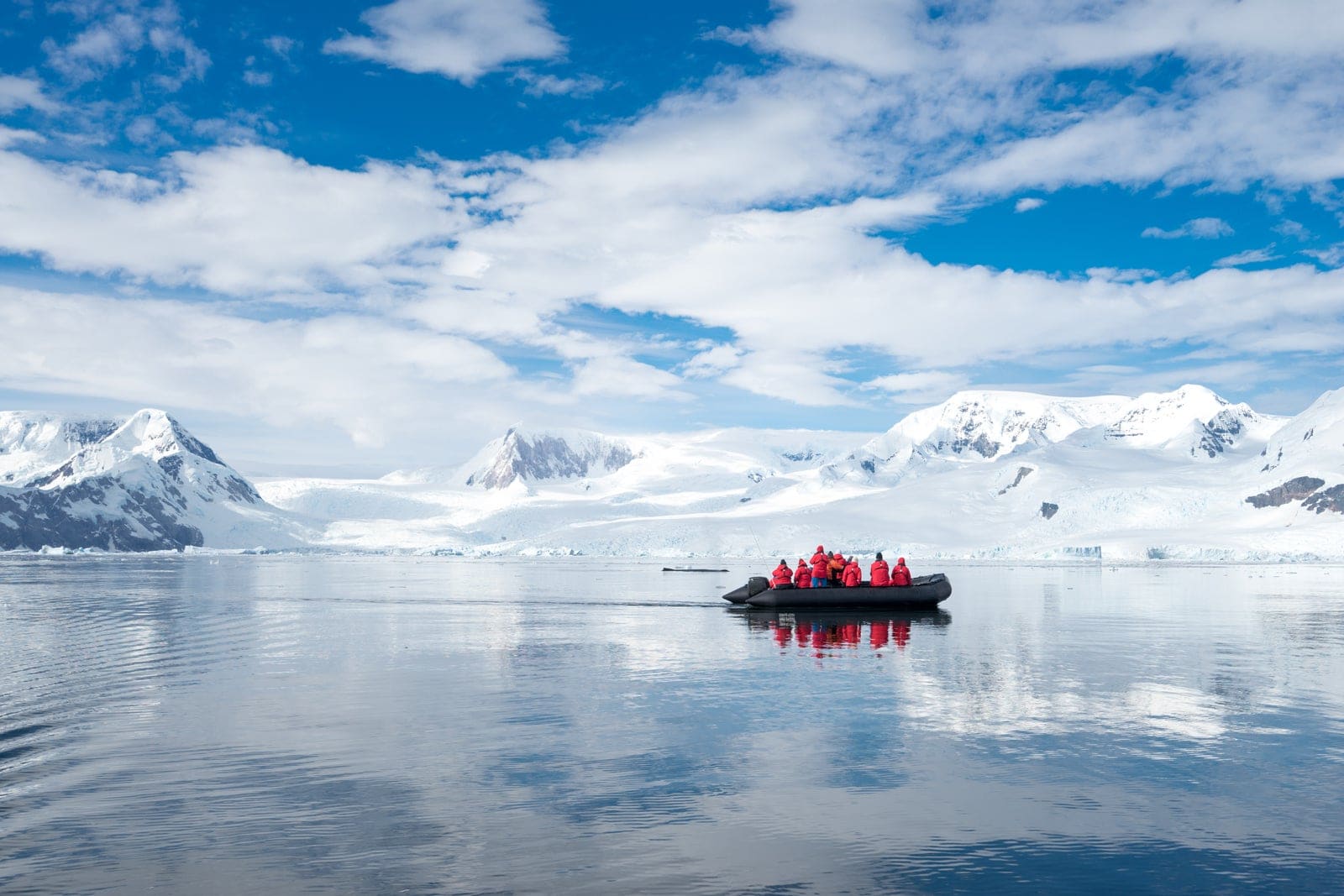
Recent research from the University of Groningen and University of Surrey interviewed twenty-five people who walked away from Antarctic expedition work. Their accounts reveal a profession caught in an accelerating contradiction: facilitating travel to one of Earth's most vulnerable regions while watching visitor numbers climb toward levels that were unimaginable a generation ago.
Visitor arrivals topped 120,000 during the 2025-26 season, according to data from the researchers. Industry projections suggest that figure could approach 450,000 within ten years. Each journey south carries one of the highest per-passenger carbon footprints in global tourism.
When the Script Stops Working
The job description sounds like a conservation dream: months among penguin colonies and calving glaciers, interpreting wilderness for people who may never return. For the guides interviewed, that initial appeal gradually gave way to something harder to ignore.
One described the dissonance of watching ice break away from ancient shelves while passengers applauded the spectacle. Another recalled hiking across glaciers without gloves, in conditions that would have been impossible just years earlier. The environmental changes they had studied abstractly were now unfolding in real time, and their role was to smooth the way for more arrivals.
Penguin colonies, several guides noted, faced near-constant foot traffic during peak season. Rotations of passengers moved through sensitive breeding areas with only brief overnight pauses. The logistics of moving hundreds of people through fragile ecosystems became routine, even as the ecological cost became clearer.
The Gap Between Message and Reality
Tour operators often frame Antarctic travel as consciousness-raising, a chance for visitors to witness climate vulnerability firsthand and return home as advocates. The guides saw a different pattern. Many passengers, they reported, seemed disconnected from the broader implications of their journey. The experience remained transactional: a bucket-list destination, a photo opportunity, a story to tell.
One guide recalled trying to explain warming trends to guests who seemed more interested in whether the bar was open. Another described the surreal exercise of delivering climate briefings while standing on a vessel burning thousands of liters of fuel per day. The gap between educational intention and operational reality became impossible to ignore.
A Slow Reckoning
None of the interviewees quit impulsively. Their departures followed months or years of internal debate. Some tried to rationalize their participation, telling themselves that individual choices mattered less than systemic forces. Others hoped that the tours they led might inspire meaningful action among passengers. Eventually, those justifications stopped holding.
Several described the physical toll of cognitive dissonance. Working against their own convictions manifested as anxiety, insomnia, and a persistent sense of complicity. The decision to leave brought relief, even when it meant abandoning work they had once loved.
One former guide framed the choice in terms of future accountability: whether they could look their children in the eye and say they had tried to live according to their values. Another spoke of finally being able to breathe after years of internal conflict.
The Cost of Caring
Distance has not weakened their attachment. Many of the former guides still think about Antarctica daily. Some admit to moments of longing for the ice, the wildlife, the raw beauty of the southern continent. But they also describe a clearer sense of integrity since stepping away.
The research, led by Zdenka Sokolickova and colleagues at the Arctic Centre and University of Surrey, frames their decisions as acts of care rather than abandonment. For these individuals, protecting Antarctica ultimately meant refusing to participate in its commodification. The emotional cost was real, but so was the conviction that some places deserve to remain largely untouched.
Their stories raise uncomfortable questions about the broader travel industry. If the people most knowledgeable about a destination conclude that visiting it is incompatible with protecting it, what does that mean for the rest of us? And when does the desire to witness something extraordinary cross into the territory of harm?
A Different Kind of Advocacy
Several of the former guides have redirected their energy into policy work, education, or other forms of environmental advocacy that do not require facilitating long-haul travel to fragile ecosystems. They speak of their time in Antarctica as formative but also cautionary, a lesson in how good intentions can enable destructive outcomes.
One described the decision to quit as the moment they stopped rationalizing and started acting. Another said the clarity came from recognizing that their presence, however well-meaning, was part of the problem. The hardest part, for many, was accepting that love for a place sometimes means leaving it alone.
The interviews suggest that meaningful change often unfolds quietly, through accumulated doubts and private reckonings rather than dramatic gestures. For these twenty-five individuals, the breaking point arrived when the gap between belief and action became unbearable.
Their departures will not slow Antarctic tourism. The industry continues to expand, and there is no shortage of new guides willing to take their place. But their testimonies offer a window into the moral architecture of a profession built on paradox, and a reminder that sometimes the most responsible choice is to walk away.