A Swift Victory After a Summer Contest
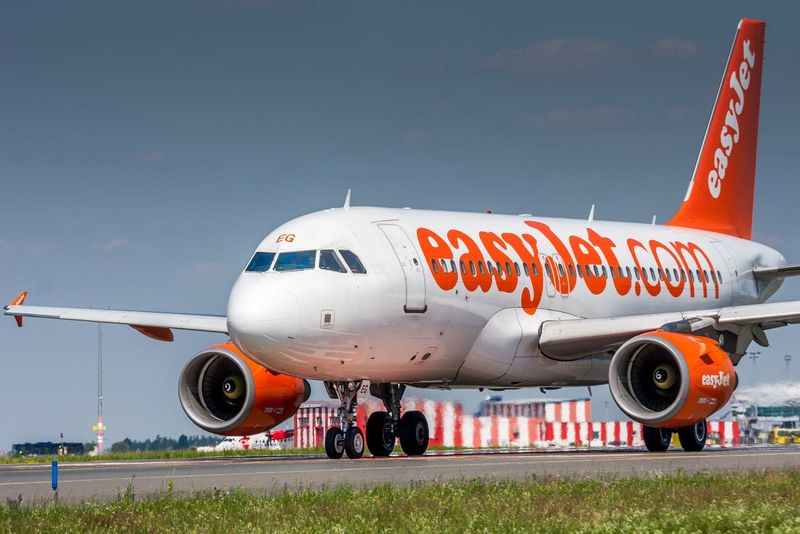
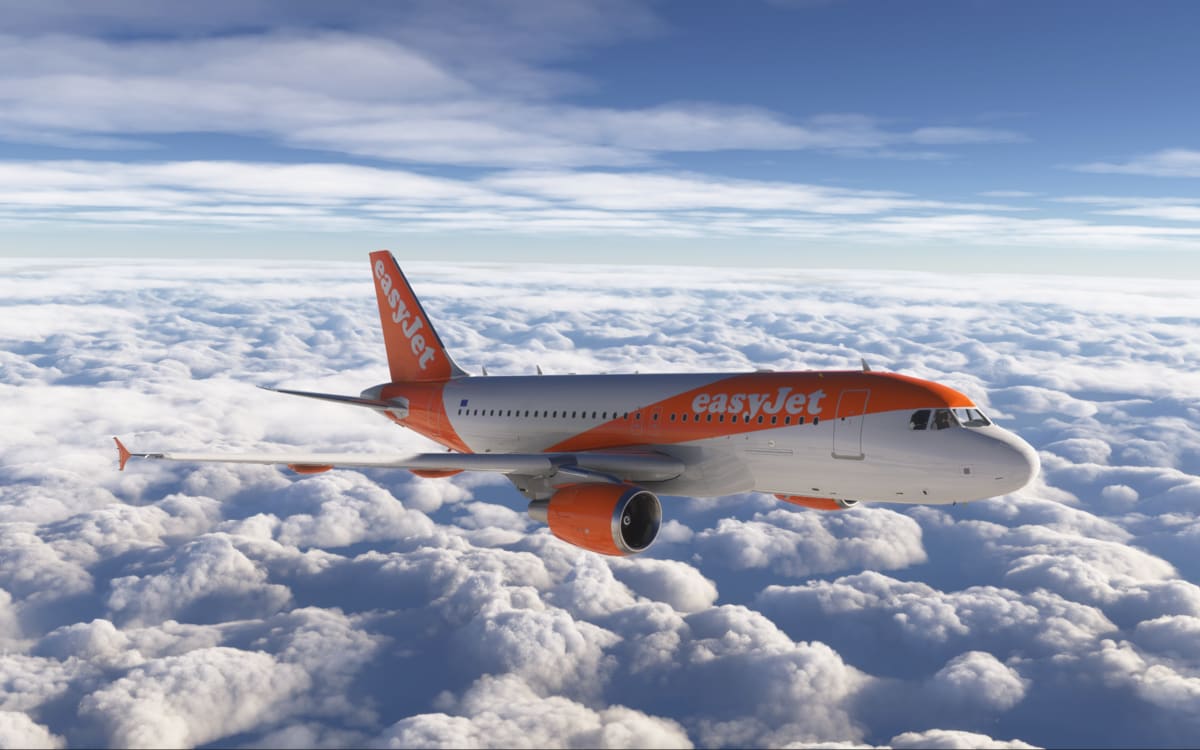
Apollo Global Management will acquire EasyJet in a £5.7 billion transaction that ends weeks of competing offers for the British budget carrier. Shareholders will receive £7.15 per share in cash when the deal closes, expected in early 2027. The agreement became possible after Castlelake, a rival private equity firm, announced it would not submit a formal bid.
The takeover caps a volatile period for EasyJet, whose shares had slumped earlier this year as fuel prices climbed and investor sentiment cooled. The bidding war lifted the stock again, ultimately delivering a premium that the airline's board deemed worth accepting over continuing as a publicly traded company.
How the Auction Played Out
Castlelake made its first approach in late spring, sending multiple proposals that EasyJet rejected as too low. By early July the two sides had agreed on terms at £6.90 per share, valuing the airline at roughly £5.5 billion. Before that deal could be finalized, Apollo submitted a higher offer. EasyJet's board shifted its backing to the new bidder. Castlelake then confirmed it would not pursue the acquisition further, clearing Apollo's path.
Apollo has tracked EasyJet for years and sees the carrier as one of the most resilient operators in global aviation. The firm says it is strongly supportive of the airline's existing strategy and believes it can accelerate operational and commercial goals under private ownership.
Keeping It European
EU rules require airlines operating within the bloc to remain majority-owned and controlled by European entities. To satisfy that requirement, Apollo plans to place roughly half the business with the Haji-Ioannou family and other investors based in the EU. Sir Stelios Haji-Ioannou, who founded EasyJet, has given the transaction his backing and will retain a significant stake alongside his family.
The structure means the airline will stay in European hands for regulatory purposes while Apollo provides capital and strategic oversight. This arrangement has become more common as US investors look to enter the closely guarded European aviation market without triggering nationality restrictions.
What Changes and What Stays
Apollo has committed not to cut jobs for at least 12 months after the deal completes. Some positions tied to stock-market reporting and compliance may disappear once EasyJet leaves the public markets. Day-to-day operations, flight schedules, and the EasyJet brand will continue unchanged. The licensing agreement with easyGroup, the intellectual-property company controlled by Sir Stelios, will remain in force.
The airline's low-cost model is not up for revision. Apollo's pitch centers on stability and scale rather than reinvention. The firm has highlighted fleet renewal, ancillary revenue streams, and the growing holidays business as areas where private ownership can offer longer planning horizons and less quarterly pressure.
The Board's Calculation
EasyJet chairman Sir Stephen Hester said the board weighed the offer against the airline's prospects as an independent, listed company and concluded that the cash proposal delivers clear value to shareholders. Chief executive Kenton Jarvis noted Apollo's experience in aviation as a reason to welcome the firm as a partner.
The transaction still requires approval from shareholders and regulatory bodies. If those hurdles are cleared on schedule, EasyJet will delist in the first quarter of 2027 and operate as a private company.
A New Chapter Under Private Hands
The takeover resolves months of uncertainty for EasyJet and its investors. Fuel-cost pressures and macroeconomic headwinds had weighed on the stock, prompting speculation about strategic alternatives. Apollo's entry gives the airline access to patient capital and removes the short-term performance scrutiny that comes with public ownership.
Private equity has been circling European airlines for years, drawn by consolidation opportunities and the sector's recovery from pandemic lows. EasyJet, with its strong brand recognition and extensive network, represents a rare chance to acquire a major carrier outright. For Apollo, the deal is a bet that the budget segment will continue to take share from legacy airlines and that EasyJet's operational platform can support further growth without a fundamental overhaul.
Whether that thesis holds will depend on fuel prices, consumer demand, and the broader health of European travel. For now, the deal offers EasyJet's shareholders an exit at a price well above where the stock traded before the bidding began, and it gives the airline a new owner with deep pockets and a stated commitment to the business model that made it one of Europe's best-known budget carriers.