A New Geography for Banyan
Banyan Group, the Singapore hospitality company behind the Banyan Tree brand, has taken a majority stake in Newmark Hotels, a Cape Town-based operator managing 26 properties across Africa. The transaction gives Banyan its first significant presence on the continent and opens a new line of business in safari and nature-focused accommodation.
The deal is structured as an asset-light arrangement. Banyan Group will not own the physical hotels or lodges but will earn management and franchise fees from the portfolio. That approach mirrors the direction many large hotel groups have taken in recent years, shedding property ownership in favour of contracts that generate recurring income with less capital at risk.
What Newmark Brings
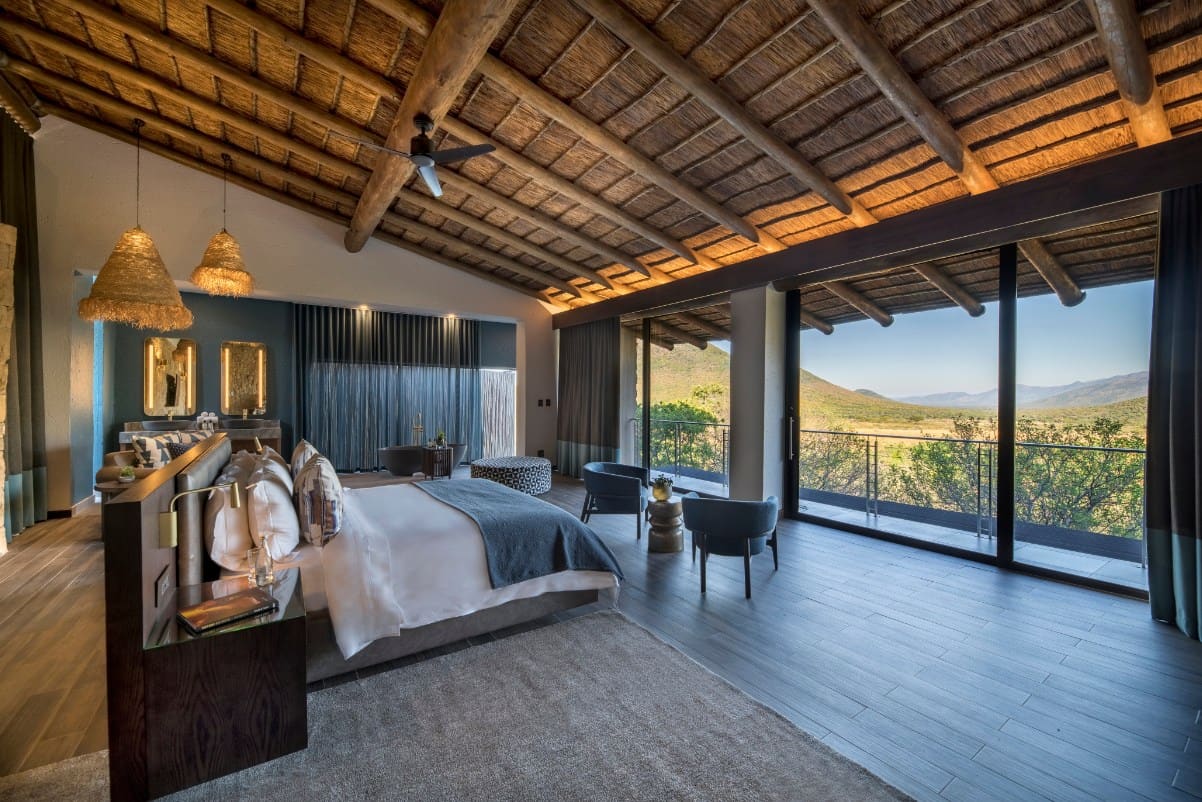
Newmark Hotels operates lodges and hotels in several African countries, with a concentration in safari and outdoor destinations. The portfolio includes properties in South Africa, Botswana, Zambia, and Zimbabwe, according to the company's public listings. Many of the sites cater to travellers seeking wildlife experiences, bush camps, and access to national parks.
The addition of these 26 properties expands Banyan Group's global footprint, which until now has been concentrated in Asia-Pacific resort markets. Banyan Tree properties are typically positioned in the upper end of the market, with a focus on wellness, design, and environmental integration. Newmark's lodges share some of those qualities, particularly the emphasis on natural settings, but operate in a different segment of the accommodation spectrum.
Why Asset-Light Matters
The structure of the acquisition reflects a broader shift in how hospitality companies grow. Rather than buying land and buildings, Banyan Group is acquiring a management platform and the contracts that come with it. That reduces upfront cost and ongoing capital expenditure, while still allowing the company to extend its brand reach and collect fees tied to room revenue.
For Banyan, the model also offers a way to test new markets without committing to full ownership. If the African portfolio performs well, the company can expand further through additional management agreements. If demand proves softer than expected, the financial exposure remains limited.
The trade-off is control. Asset-light deals often involve partnerships with property owners who retain final say over capital improvements, repositioning, and major operational decisions. That can complicate brand consistency, especially when properties are spread across multiple countries with different regulatory and labour environments.
Safari Hospitality as a Growth Segment
Safari and nature-based lodges have attracted increasing interest from international hotel groups in recent years. The segment benefits from strong demand among high-spending travellers, particularly from Europe, North America, and increasingly from Asia. Guests often book extended stays and are willing to pay premium rates for exclusive access to wildlife areas and guided experiences.
However, the sector also carries risks. Many safari lodges are located in remote areas with limited infrastructure, making operations more expensive and complex. Seasonal demand can be pronounced, with occupancy swinging sharply depending on weather, animal migration patterns, and school holiday calendars in key source markets. Political instability and health advisories can also disrupt bookings quickly, as the COVID-19 pandemic demonstrated.
Newmark's portfolio includes properties in countries with relatively stable tourism industries, but the broader region remains subject to economic volatility and currency fluctuations. Operators must navigate multiple currencies, shifting visa policies, and varying levels of government support for tourism infrastructure.
What This Means for Banyan's Portfolio
Until now, Banyan Group has been known primarily for its resorts in Thailand, the Maldives, Indonesia, and other parts of Asia. The company also operates the Angsana and Cassia brands, which target different price points and traveller types. The Newmark acquisition introduces a new category: safari and lodge hospitality, which requires different expertise in areas such as wildlife management, conservation partnerships, and remote site logistics.
The move suggests Banyan Group is looking beyond its traditional resort model. Safari lodges often involve closer collaboration with conservation organisations, local communities, and government agencies managing protected areas. That could open opportunities for Banyan to differentiate its offering and appeal to travellers who prioritise environmental and social impact alongside comfort.
At the same time, the company will need to manage brand expectations. Banyan Tree has built a reputation for high-end design, spa facilities, and polished service. Newmark's lodges vary in style and positioning, and not all may align neatly with Banyan's established identity. How the company integrates or rebrands the portfolio will shape perceptions of both the Banyan Tree name and its newer brands.
Broader Trends in African Hospitality
International hotel groups have been gradually increasing their presence in Africa, though growth has been uneven. Major chains have focused primarily on business hotels in capital cities and a handful of resort destinations along the coast. Safari lodges have remained largely in the hands of regional operators and independent owners, many of them family-run or backed by private equity with a local focus.
Banyan's entry signals that larger players see opportunity in this segment, even if the path is not straightforward. The asset-light model offers a way to participate without the heavy lifting of development, which in many African markets involves navigating complex land tenure systems, inconsistent permitting processes, and limited access to construction materials and skilled labour.
For travellers, the trend could mean more choice and potentially more standardised service at safari lodges, as international groups bring systems for training, procurement, and guest feedback. It could also mean higher prices if global brands apply their usual rate structures to properties that were previously more accessible to mid-market travellers.
Looking Ahead
Banyan Group has not disclosed the financial terms of the acquisition or its plans for expanding the Newmark portfolio. The company will likely focus first on integrating the existing 26 properties, assessing which can be repositioned under Banyan or Angsana branding and which will remain under the Newmark name.
The success of the deal will depend in part on how well Banyan can adapt its operational model to the demands of safari hospitality. The company's experience in remote island resorts may translate, but managing lodges in wildlife areas involves different challenges, from security and medical access to relationships with conservation authorities and local communities.
If the partnership proves effective, it could open the door to further acquisitions or management agreements in Africa and other regions where nature-based tourism is growing. For now, the deal represents a calculated bet that safari hospitality can complement Banyan's existing portfolio and that an asset-light approach offers the right balance of opportunity and risk.