When Inspiration Comes From a Book
Fer Villanueva spent years in tech and marketing before switching to food. That background shows in how she runs Otsu, the specialty coffee shop and brunch spot she opened a year ago in Barcelona's Poblenou district. The place doesn't follow a traditional café playbook. Instead, it treats every dish like a design problem to solve.
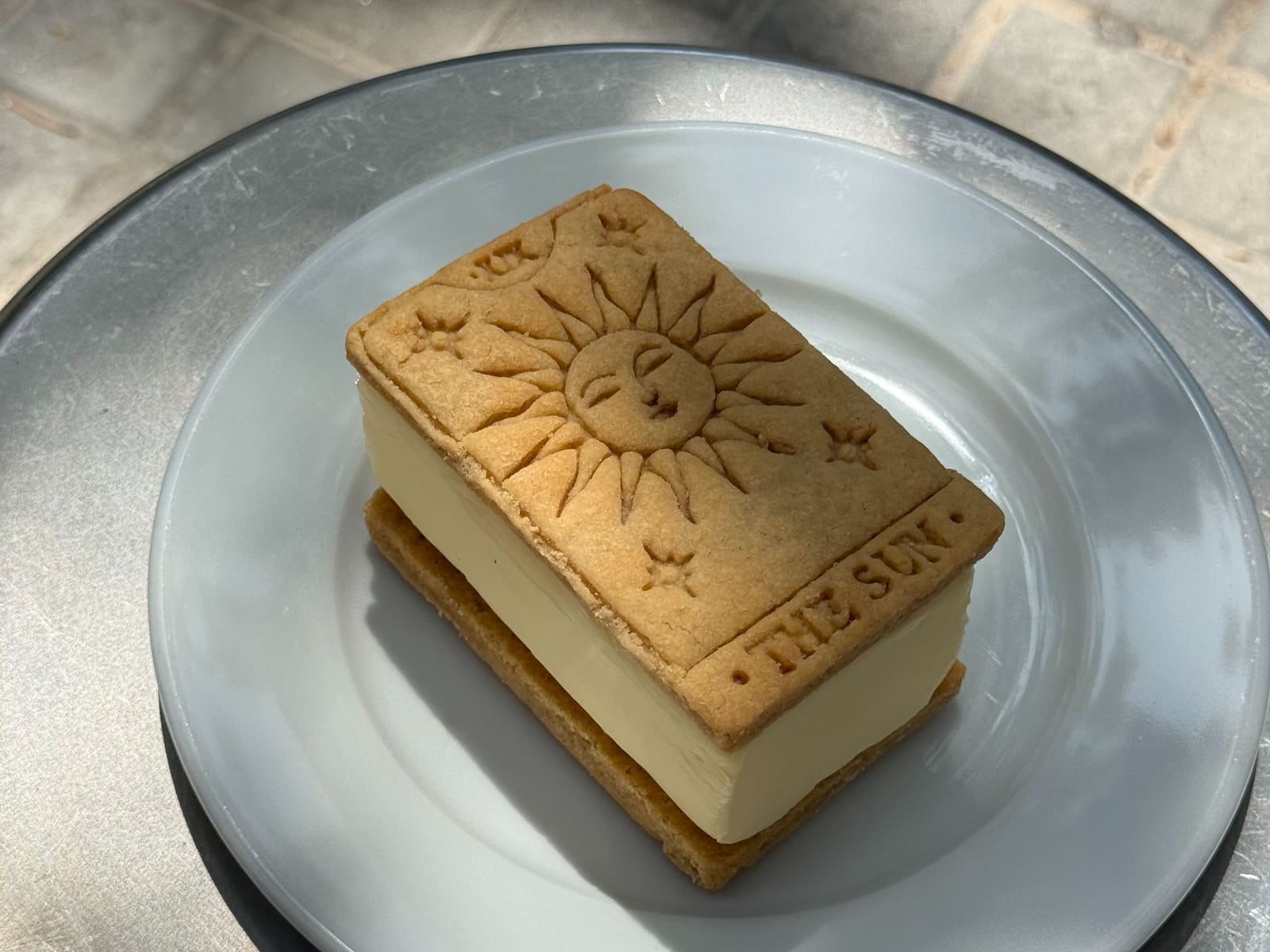
The tarot ice creams started with a Taschen book. Villanueva was flipping through illustrations of tarot cards when she became fascinated by the ritual of opening a page at random. Could that sense of mystery translate into food? She decided to find out. The result is a rotating collection of frozen desserts inspired by tarot imagery, each one a small edible riddle that has caught on with customers and social media alike.
Other specials have included popsicles shaped like Michelangelo's David, vanilla ice cream ducks served alongside espresso, and banana bread paired with toasted butter ice cream molded into a banana. The common thread is not gimmickry but a willingness to explore ideas that don't yet have a clear execution path.
A Weekly Rhythm That Resists Repetition
Otsu calls these rotating offerings Weekend Specials. They rarely begin with a recipe. Villanueva starts with something she has seen or read: a sculpture, a conversation, a Japanese tradition, an image from a trip. The food comes later, after the concept has taken shape.
This approach means nothing stays on the menu for long. Customers return each week to see what has appeared. Some come once on a recommendation and keep coming back. Over time, Villanueva has learned their names and orders. The café has become a gathering point for people who value the unexpected in their breakfast routine.
The weekly cadence also serves as a discipline. Villanueva sees it as a way to avoid complacency. Knowing a creation will only exist for a few days removes the pressure to turn every idea into a permanent product. It also forces the team to keep learning new techniques and testing unfamiliar ingredients.
Travel as Memory, Not Recipe
Villanueva travels frequently, but she is not hunting for recipes to replicate. She is after memories and the emotions attached to them. The goal is to understand why a dish exists, what tradition supports it, what feeling it evokes. Then she asks how to recreate that sensation in Barcelona without copying the original.
She describes returning from trips with more questions than answers. Those questions eventually become new creations. A breakfast in Tokyo, a garden in Hangzhou, a café conversation in Istanbul, all have been translated into sandwiches or desserts at Otsu. The menu includes items like the Tokyo Breakfast, Egg Sando, and Onsen Eggs, though the most interesting work is what does not stay long enough to become familiar.
This philosophy extends to how Villanueva defines the café itself. If Otsu were a drink, she says, it would be a pour-over coffee made with beans from April Coffee in Copenhagen. Not for technical reasons, but because the process requires time and attention. It does not try to impress. It invites you to pause.
If Otsu were a flavor, it would be umami. Hard to describe until you taste it, with depth that lingers. That is what the café aims for with every visit.
The Fool, Not The Sun
The tarot card Villanueva chose to represent Otsu is not The Sun, the bright symbol of clarity and good fortune that appears in one of the ice cream designs. She picked The Fool instead. Not for its association with naivety, but because it marks the beginning of a journey. It represents curiosity and the decision to move forward without all the answers.
That spirit has been present since the café opened. Otsu occupies a space somewhere between coffee shop, kitchen, and workshop. The interiors are minimalist, influenced by Japanese design. The focus is on craft and intention rather than volume or speed.
The community that has formed around the café reflects that approach. Many customers know each other. They come for the coffee and stay for the sense that something new might appear at any moment. In an era when restaurants are booked months in advance and menus are analyzed online before anyone walks through the door, Otsu offers a different experience: the chance to be surprised by what is on the table that day.
Villanueva describes Otsu as a place where creativity and hospitality meet, where cooking becomes a way to tell stories. The Weekend Specials are the clearest expression of that idea. They are not about perfecting a formula. They are about asking what happens when you start with curiosity and let the food follow.