Queues Reshape Travel Decisions
The fingerprint scanners and facial recognition cameras installed at European borders are doing more than collecting data. They're changing how British travelers think about their holidays.
Recent polling by Savanta found that 43 percent of UK adults are altering plans, weighing changes, or experiencing heightened stress about trips across the Channel. Among 2,381 respondents surveyed in late July, roughly one in six said they might choose a domestic break instead of heading to the continent. Another 17 percent are eyeing off-peak travel windows to sidestep congestion.
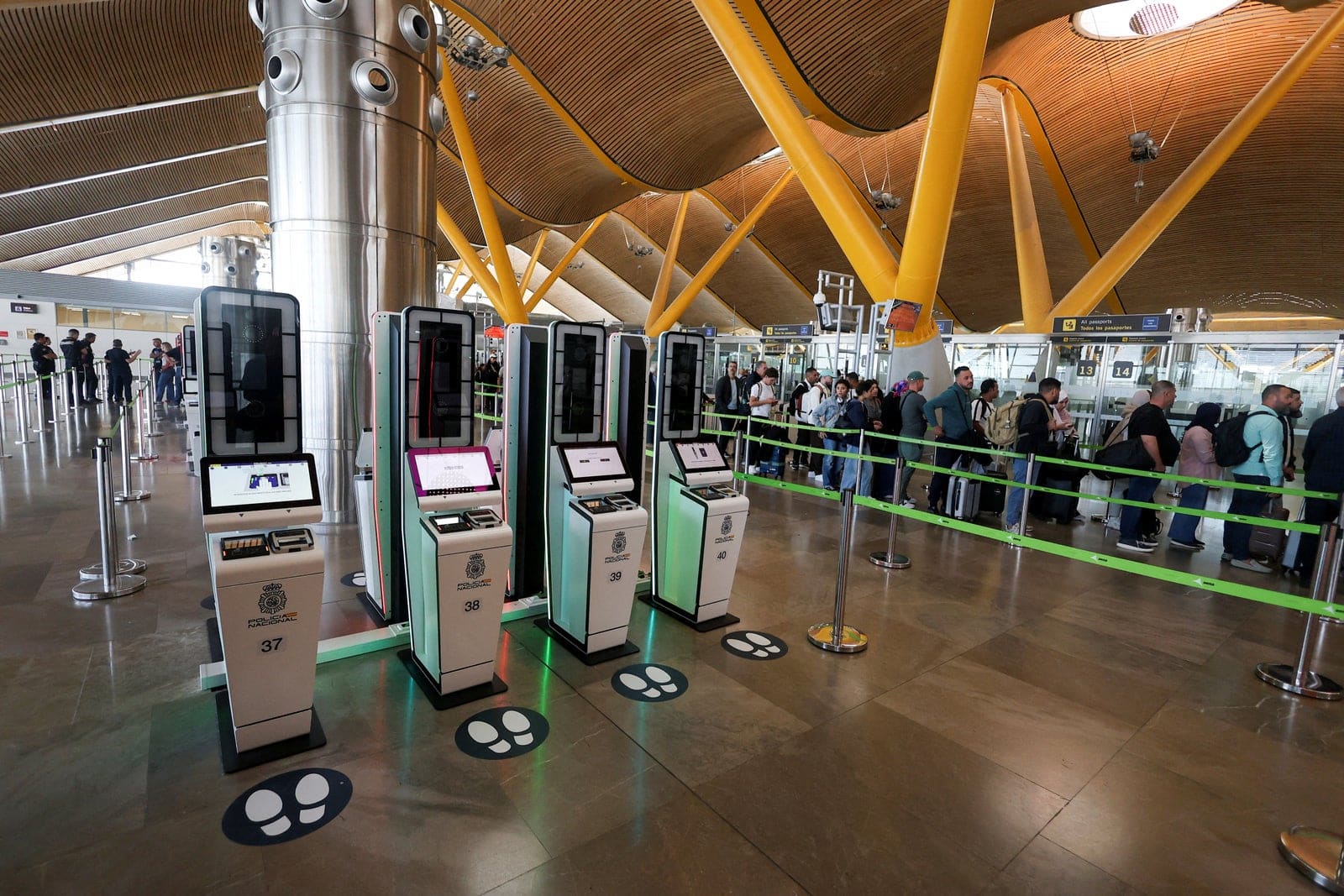
The culprit is the Entry/Exit System, a biometric registration protocol that rolled out across the Schengen Area in late 2025 after multiple postponements. First-time visitors now surrender fingerprints, facial scans, and passport details at checkpoints. The policy aims to tighten security and track movements, but its execution has turned border crossings into bottlenecks.
Processing Times Balloon
Numbers from Rome's Fiumicino Airport illustrate the scale. The Chief Aviation Officer there disclosed that passport control now takes nearly three times as long as it did before the system launched. During busy periods, waits stretch to five hours, forcing passengers to pad their schedules with extra time they'd rather spend elsewhere.
Forty-eight people in the Savanta poll said they canceled trips outright because of the new requirements. That figure, while modest in absolute terms, signals a willingness among some travelers to abandon plans rather than endure uncertainty.
The delays aren't confined to a handful of airports. Ports handling cross-Channel ferries report similar slowdowns, and hauliers say the queues are disrupting freight schedules. Families with young children, elderly passengers, and people with mobility challenges face particular strain when lines snake through terminals for hours.
Industry Pushback Intensifies
Aviation and travel groups have moved from private concern to public alarm. In June, Stefan Schulte, who leads Airports Council International Europe, told EU ministers to abandon the pretense that the system functions adequately. Speaking at the organization's assembly in Prague, he said the issue keeps airport executives across the region awake at night and urged the European Commission to craft a new aviation strategy centered on restoring competitiveness.
A coalition of industry bodies sent a joint letter to European Commission President Ursula von der Leyen warning that the situation has hit a critical threshold. The signatories included ACI Europe, Airlines for Europe, and the International Air Transport Association. Their message was blunt: immediate intervention is necessary before conditions worsen further.
The letter noted that since full deployment in April, peak-period waits have climbed to five hours, affecting millions entering the Schengen Area. The groups described the operational pressure on border staff, airports, and carriers as unsustainable, with flight delays and missed connections mounting.
Government Response Lags
Liberal Democrat Europe Spokesperson Al Pinkerton wrote to UK Cabinet Office officials in July requesting an emergency meeting with the European Commission ahead of the school holiday rush. That request has not received a formal reply, according to reports.
Pinkerton characterized the delays as a threat to smooth travel for British families and criticized what he described as government inaction while infrastructure strains under demand. He called for direct engagement with European counterparts to secure temporary relief measures.
The UK government has allocated funding to ease the transition. Ten and a half million pounds went toward infrastructure improvements at Dover, Eurotunnel, and Eurostar terminals. An additional twenty million is earmarked for expanding passport-checking capacity and vehicle-holding areas at Dover. Officials also point to traffic management plans that include welfare sites where stranded passengers can access food, water, and restrooms during severe disruption.
A government spokesperson acknowledged the change is significant for British travelers and emphasized collaboration with French authorities, who have committed to higher staffing levels over summer. The statement described ongoing coordination with EU, operational, and local partners to minimize delays.
Trade Group Sees Pragmatism
Not every voice in the industry shares the alarm. ABTA, the UK's largest travel trade association, offered a more measured assessment. A spokesperson said destinations appear to be prioritizing passenger flow and working to limit disruption through contingency measures.
The organization noted that member feedback suggests these measures are helping and called on the Commission to extend contingency arrangements beyond September. ABTA also highlighted the need for better passenger sorting, such as separate queues and clearer signage for those who have already registered and don't need full processing.
What Travelers Are Doing
The Savanta data shows varied responses. Sixteen percent of those surveyed said they feel more stressed or worried about EU travel. The share considering a shift to UK holidays sits at 15 percent, a figure that translates to millions of potential trips redirected domestically.
The anxiety is reshaping not just destination choices but timing. The appeal of shoulder-season travel, once driven by lower prices and thinner crowds, now carries an added incentive: shorter lines.
For airports and carriers, the challenge is operational. Terminals designed for a certain passenger flow struggle when processing slows. Staff face pressure from frustrated travelers, and tight turnaround schedules leave little room for delay. Missed connections ripple through networks, and rebooking costs mount.
The Road Ahead
The system is meant to become smoother as more travelers complete their initial registration. Repeat visitors won't need to re-scan biometrics, in theory speeding their passage. But the transition period, now several months in, continues to generate friction.
Whether the current strain eases or persists depends partly on how member states deploy staff and technology. It also hinges on whether the Commission acts on calls for extended contingencies and process refinements.
For now, British travelers heading to the continent face a choice: accept longer waits, shift plans, or stay home. The polling suggests a growing number are weighing all three.