A Summer of Second Thoughts
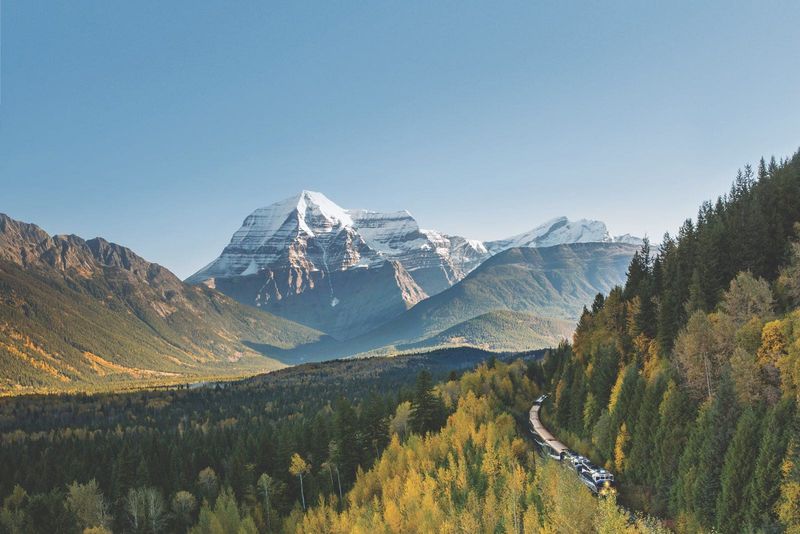
The British summer holiday is changing shape. As temperatures across Europe push past comfort into danger, travelers are quietly redirecting their plans. Flight searches to Ottawa jumped 166 percent year-on-year, according to Kayak. Salzburg saw a 92 percent rise. Closer to home, Aberdeen and Glasgow each recorded increases above 20 percent.
The pattern is not dramatic, but it is consistent. Searches to Alicante dropped by one percent, Lisbon by 14 percent, Athens by 19 percent. These are modest declines, yet they point to a shift in how people think about summer. The beach holiday, long a fixture of British life, is being weighed against rising thermometers.
This is the first year on record that the UK has hit 35°C in May, June, and July, according to the Met Office. Three heatwaves have already rolled through. The question is no longer whether it will be hot, but how hot, and for how long.
Cooler Air, Different Itineraries
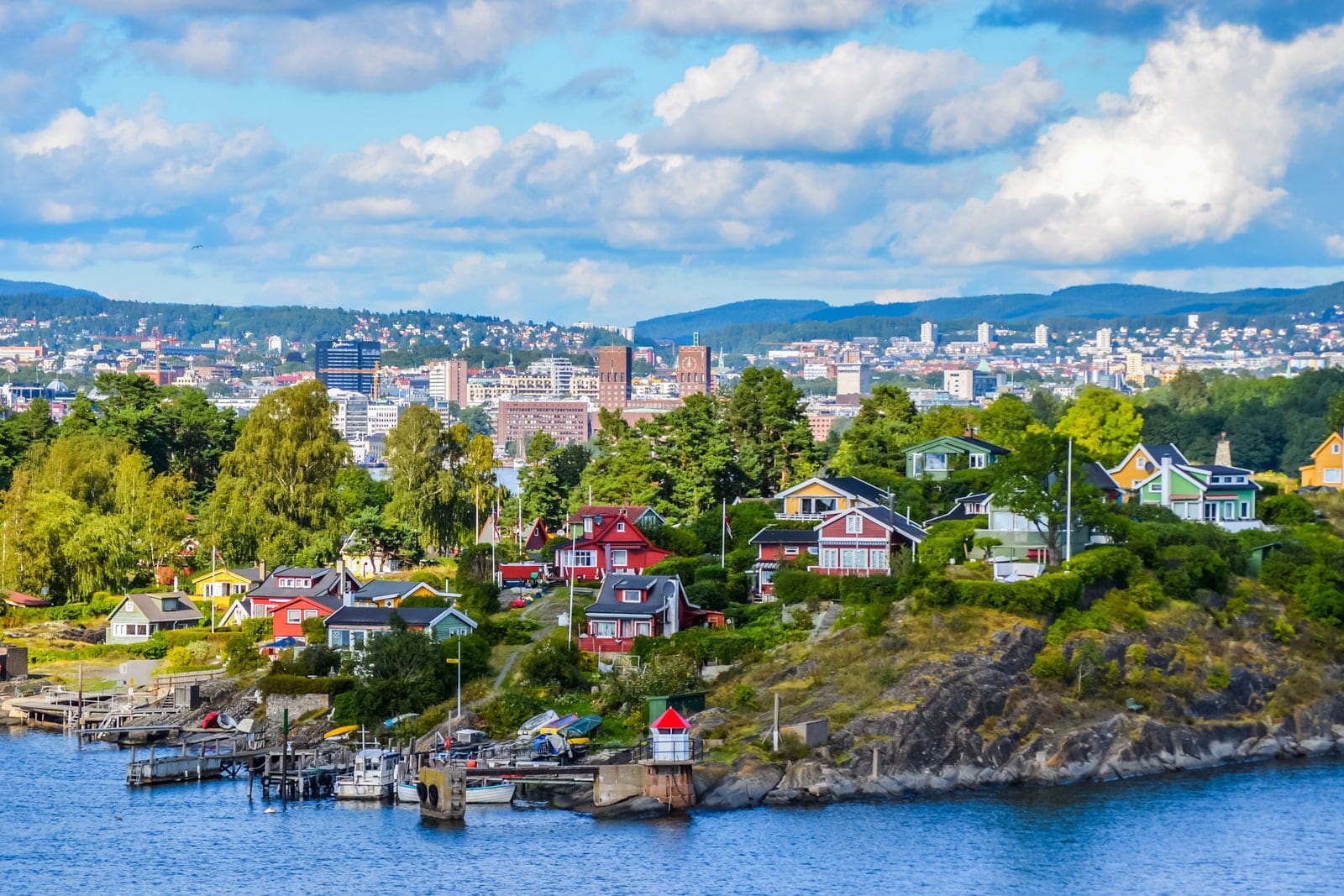
Norway and Iceland are benefiting. Staysure, a UK travel insurance provider, reported a 24 percent rise in policy sales for Norway in the first half of 2026, lifting the country from tenth to seventh place in its destination rankings. Iceland saw an 18 percent increase. The data compares sales from January to June 2026 with the same period in 2025.
These are not traditional summer destinations for British travelers. They lack the guaranteed sunshine, the reliably warm sea. What they offer instead is predictability of a different kind: temperatures that stay below 25°C, landscapes that invite walking rather than sunbathing, and a sense of escape that does not involve air conditioning.
Rachel Mumford, a travel expert at Kayak, described the trend as a move toward what she called "coolcations." The term is new, but the impulse is old. People have always adjusted their travel to the weather. What is different now is the scale and the urgency.
What Travelers Are Weighing
A survey of 2,000 UK travelers by Staysure found that 58 percent would be likely to choose a cooler destination this summer to avoid extreme heat. Forty-three percent said that extreme heat has already changed how they think about booking holidays. Twenty-two percent said they would be more inclined to take a UK staycation to avoid overseas disruption.
The reasons are practical. Heat affects comfort, but it also affects plans. Wildfires close roads and airports. Power grids strain under demand for cooling. Tourist sites reduce hours or close entirely. Insurance policies do not always cover cancellations due to heat alone, unless there is a formal travel advisory or infrastructure failure.
Simon McCulloch, chief growth officer at Staysure, noted that travelers should check typical temperatures, confirm air conditioning availability, and review flexible booking terms before committing. He emphasized that extreme heat alone does not automatically allow for a no-cost cancellation.
The Broader Context
The shift is happening across multiple income levels and age groups. Younger travelers are more likely to adjust their plans based on climate concerns, but older travelers are also reconsidering long-haul flights to hot climates. The common thread is a desire for predictability and comfort.
This is not a rejection of southern Europe. Spain, Portugal, and Greece remain enormously popular. But the window for comfortable travel is narrowing. May and September are increasingly seen as safer bets than July and August. Some travelers are splitting their holidays, taking a cooler trip in summer and a warmer one in winter.
The infrastructure is adapting. Airlines are adding capacity to northern routes. Hotels in Scandinavia are marketing themselves as summer destinations, not just winter ones. Tour operators are developing itineraries that emphasize hiking, cycling, and cultural activities over beach time.
What This Means for the Industry
The travel industry has always been sensitive to weather, but the current shift is different. It is not a temporary adjustment to a single bad season. It is a response to a pattern that appears likely to continue.
Destinations that have relied on summer tourism are facing questions about their long-term appeal. Some are investing in shade, cooling infrastructure, and indoor attractions. Others are trying to extend their seasons, attracting visitors in spring and autumn when temperatures are lower.
Northern destinations, meanwhile, are seeing an opportunity. They are not marketing themselves as alternatives to the Mediterranean, but as different experiences with their own appeal. The emphasis is on nature, space, and a pace of travel that does not require retreating indoors during the hottest part of the day.
The question for travelers is what they want from a holiday. If the answer is guaranteed sun and heat, the Mediterranean still delivers. If the answer is something more varied, or if comfort matters more than temperature, the options are widening. The map of summer is being redrawn, one search at a time.