A Pause After Turbulence
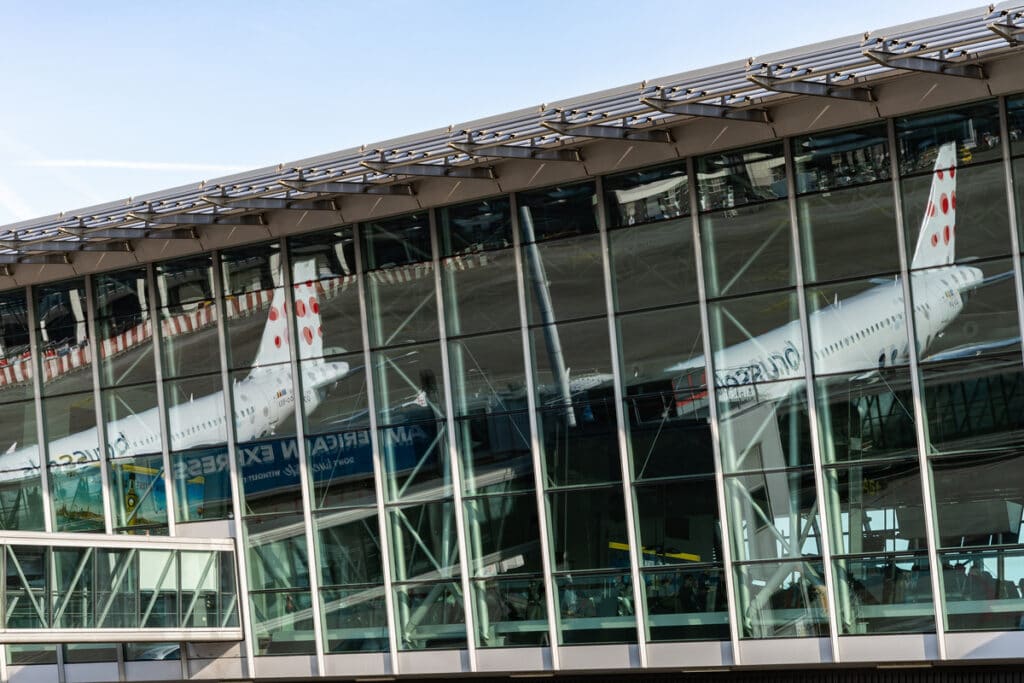
Brussels Airlines is pumping the brakes on growth. The Lufthansa Group member has shelved plans to bring two additional Airbus A330s into service next year, keeping its long-haul fleet at 11 aircraft. The move follows a bruising first half of 2026, when the Belgian carrier posted an adjusted operating loss of €70 million, a 50% slide from the year before.
The decision wasn't made in isolation. Talks with Lufthansa Group headquarters led to a shared conclusion: hold steady rather than stretch thin. For an airline juggling strikes, fuel volatility, and regional health crises, caution won out over ambition.
The Numbers Tell a Mixed Story
On paper, some metrics looked healthy. Passenger numbers climbed 8% to 4.5 million in the first six months of 2026, and revenue edged up roughly 9% to €821 million. Load factors ticked higher, a sign that planes were fuller. But profitability couldn't keep pace.
Fuel became the biggest drag. Costs surged by €64 million as oil prices spiked, tied to unrest in the Middle East. An Ebola outbreak in East Africa complicated crew rostering and dampened demand on routes where Brussels Airlines has traditionally held strong. Strikes at Brussels Airport and by air traffic controllers added another €3 million in losses, interrupting schedules and frustrating passengers.
The combination left little room for optimism about near-term expansion. Brussels Airlines had previously positioned itself as Lufthansa Group's main gateway to Sub-Saharan Africa, a niche that required sustained investment. But the numbers forced a rethink.
Seasonal Capacity Also Trimmed
The freeze extends beyond new aircraft. Four wet-leased planes from airBaltic, which have been supplementing capacity through the end of October 2026, will not return for the 2027 summer season. That seasonal cushion helped during peak travel periods, but management decided the extra complexity and cost no longer made sense.
The cutback doesn't mean a retreat from service quality. Brussels Airlines is still rolling out refreshed cabins across its A330 fleet in 2027, including new Business Class, Premium Economy, and Economy seats. The upgrades aim to keep the carrier competitive on intercontinental routes, even as it scales back the number of planes operating them.
Why This Matters for Travelers
Fewer aircraft and no seasonal wet-leases translate to tighter capacity on long-haul routes, especially to Africa. Fares may firm up during peak periods, and seat availability could shrink on popular city pairs. For travelers who rely on Brussels as a European gateway to destinations south of the Sahara, the freeze underscores a shift from expansion to consolidation.
At the same time, the cabin upgrades signal that the airline isn't abandoning its product. Passengers on intercontinental flights can expect a refreshed experience, even if there are fewer flights to choose from. The challenge will be balancing demand with a fleet that's no longer growing.
The Broader Industry Context
Brussels Airlines isn't alone in feeling the squeeze. European carriers have faced a rough stretch, with fuel volatility and labour disputes recurring themes across the continent. Geopolitical tensions have added unpredictability to route planning, while regional health crises have periodically disrupted key markets.
As part of Lufthansa Group, Brussels Airlines benefits from shared resources and network support, but it still has to prove its own profitability. The group's willingness to approve the fleet freeze suggests a pragmatic view: better to stabilize than to overextend.
Short- and medium-haul fleet renewal continues, with Airbus A320neo deliveries on schedule. Leadership is also in transition, with a new CEO expected to take the helm and focus on tighter integration within the Lufthansa hub system.
What Comes Next
The airline is banking on a strong summer 2026 season to offset the first-half losses. Higher production capacity compared to 2025 should help, provided strikes and external shocks don't recur. If the recovery materializes, management may revisit expansion plans for 2028 and beyond.
For now, the strategy is clear: optimize what's already in the fleet, deliver the cabin upgrades, and keep the African route network intact. Whether that's enough to return to sustained profitability remains an open question. The coming months will test whether holding steady can rebuild momentum, or whether the freeze marks a longer pause in Brussels Airlines' ambitions.