A Summer Tradition Since the 19th Century
Boulevard du Midi in Brussels has transformed once again into a 1.6-kilometer stretch of lights, rides, and food stalls. The Midi Fair, which first appeared in the Belgian capital in 1880, is running its 146th edition this summer with 123 attractions spread along the route near Gare du Midi, the city's international rail hub.
Patrick De Corte, president of the Brussels Showmen's Union, calls it part of the city's identity. The travelling fairground earned a spot on UNESCO's Intangible Cultural Heritage of Humanity list in 2024, joining other recognized traditions around the world. Organizers anticipate attendance will exceed one million visitors this year.
What's on Offer
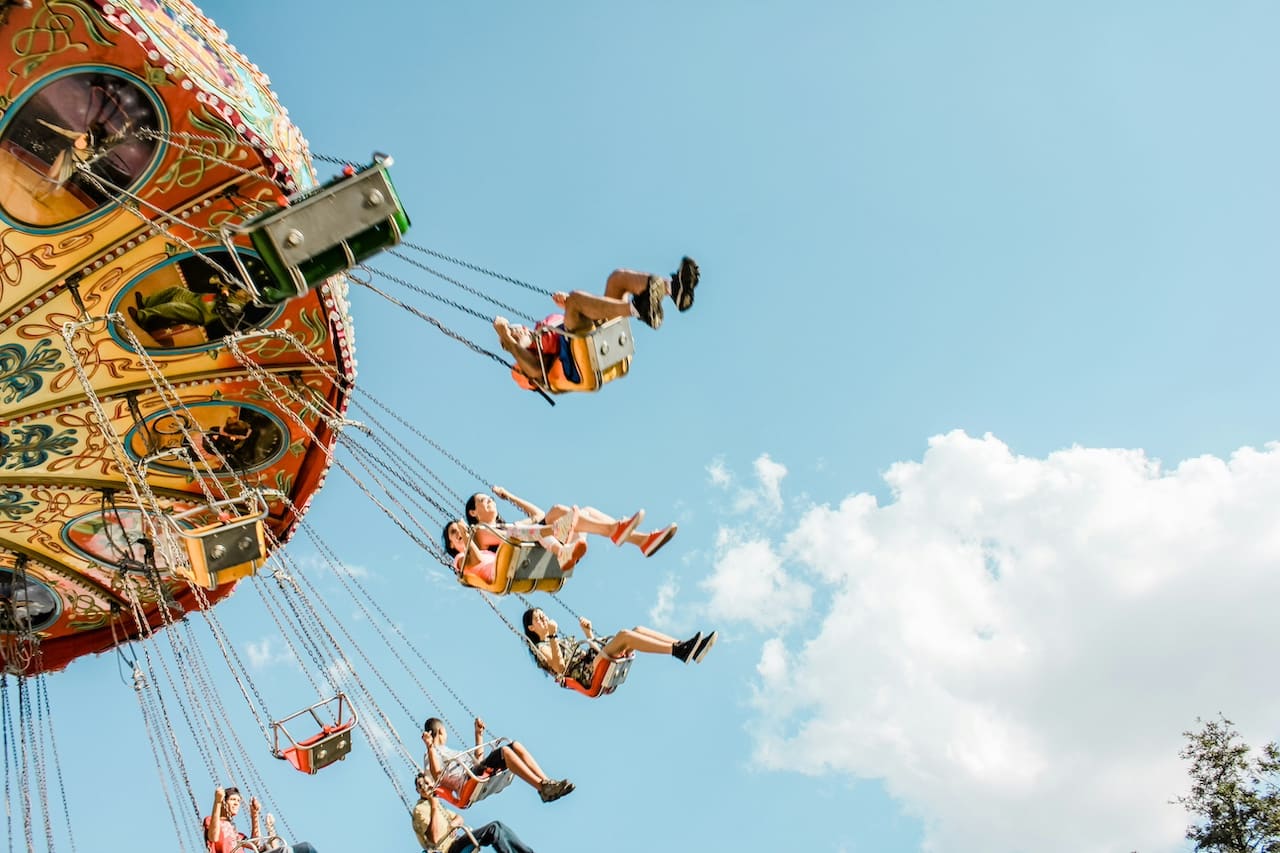
The Royal Wheel returns with enclosed cabins, including one designed for visitors with reduced mobility. Alongside it are shooting galleries, children's rides, a haunted house, and a new Hawaiian-themed attraction called Tiki Ville. Food stalls offer Belgian staples: mussels, fries, waffles, and ice cream, plus a broader selection of snacks and meals.
Entry to the fairground is free. Visitors pay individually for rides and food. The site is accessible by bus, metro, tram, and train, with a flat-rate parking option at the Porte de Hal Interparking facility for five euros.
Construction Constraints and Layout Shifts
Infrastructure work around Eurostar's Gare du Midi station has been underway for seven years, and the fair continues to navigate the disruption. This year, the fairground is split into two sections, with some attractions moved toward the Arts et Métiers neighborhood to accommodate the ongoing construction.
The layout adjustments are a practical compromise. The fair's footprint remains substantial, but the division means visitors will need to walk between zones to experience everything on offer. For a tradition this old, flexibility has become routine.
New Safety and Noise Controls
Security measures have been expanded. A Red Cross station is on site, police maintain a permanent presence, and patrols have increased. The changes reflect a broader trend at large public events across Europe, where crowd safety has become a more visible priority.
Noise management is another focus this year. Thirty-one attractions are equipped with sound monitors, and amplified audio is capped at 90 decibels during the day, dropping to 75 decibels after 10 p.m. The limits aim to balance the fairground's energy with the comfort of nearby residents.
A Day for Children in Need
On August 12, the fair will host 360 children with disabilities, disadvantages, or serious illnesses, offering them free access to all attractions. The initiative is a partnership between fairground managers and Make A Wish, a charity that organizes experiences for young people facing difficult circumstances.
The annual goodwill day has become a fixture of the fair's calendar, running alongside the commercial operation without fanfare. It's a quieter aspect of an event that otherwise draws massive crowds and generates significant revenue for the showmen who travel the circuit.
A Nod to Belgian Pop Culture
This year's patron is Jean-Luc Fonck, lead vocalist of Sttellla, a Belgian comic rock band. The fair's 2026 motto, "We will all, all, all go to the Foire du Midi," references the band's song "Torremolinos." It's a playful touch that ties the event to local music culture while reinforcing the fair's image as accessible to everyone.
The choice of motto and patron underscores the fair's positioning as a populist tradition, not a niche attraction. Whether that translates into sustained attendance depends on how well the event can manage the logistical challenges of its current split layout and the eventual completion of the station works.
The Pull of Tradition in a Changing City
Brussels is a city of international institutions and transit hubs, but the Midi Fair operates on a different register. It's not aimed at tourists passing through on the Eurostar or diplomats working in the European Quarter. The crowd it draws is largely local, with families returning year after year for the same mix of rides, games, and fried food.
The fair's longevity is tied to that consistency. The Royal Wheel, the haunted house, the shooting galleries are not novel, and that's part of the appeal. In a city where much is transient, the fairground offers something predictable.
Still, the infrastructure challenges are real. Seven years of construction is a long time for any event to operate under constraints, and the split layout this year is a visible reminder that even long-standing traditions must adapt to urban development. Whether the fair can maintain its momentum once the station works are finished, and whether its audience will grow or plateau, remains to be seen.
For now, Boulevard du Midi is busy, the rides are spinning, and the waffles are selling. The 146th edition is underway, and the million-visitor target is within reach.