A Decades-Old Tradition Expands
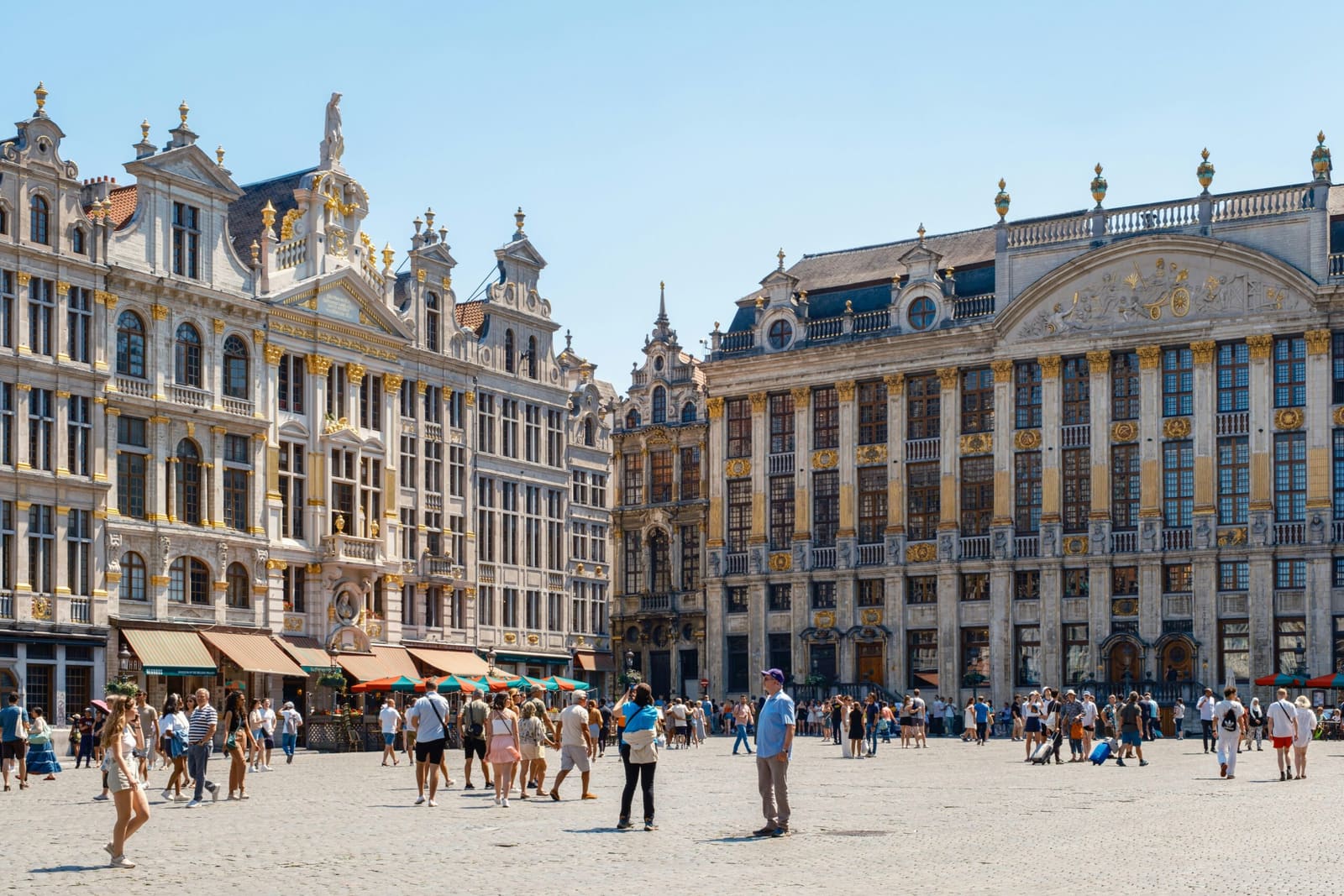
For over a quarter-century, Brussels has shut down vehicle traffic one Sunday each year, turning the Belgian capital into what becomes Europe's largest pedestrian zone for a day. The tradition started in September 1999 as part of Mobility Week, designed to highlight how cities might function with fewer cars and to encourage residents to rethink their transport habits.
This year's edition is scheduled for 20 September 2026, following the usual early-autumn timing. But regional officials are now planning to add a second date in 2027, likely in May, effectively doubling the number of days when private cars disappear from Brussels streets.
The Calendar Conundrum
The initial proposal to hold the new car-free day on 9 May 2027 ran into immediate pushback. That date falls during spring school holidays for French-speaking families and, more significantly, coincides with Mother's Day in Belgium.
A local advocacy group, the Non au plan Good Move Committee, pointed out the practical complications. Families traveling from other parts of the country or abroad to visit relatives would find themselves navigating road closures and restricted access precisely when many people make such trips. The group questioned whether creating barriers to family gatherings on a day traditionally reserved for them made sense, even in service of broader mobility goals.
In response, the regional government shifted the proposed date to 2 May 2027, according to Belgian media. That change still requires approval from all 19 municipalities that make up the Brussels-Capital Region, a process that highlights how urban mobility decisions intersect with local governance and community priorities.
How the Ban Works
When car-free Sunday takes effect, private vehicles are prohibited from 9:30 am until 7 pm across the region. The restrictions don't apply to everyone: public transport, taxis, tour buses, emergency services, security forces, and diplomatic vehicles can still operate. For everyone else, the day means finding another way to move around or staying put.
Authorities open and close access points gradually, which can create congestion at the edges of the restricted zone before and after the official hours. Some neighborhoods extend closures for local events and street activities, so the effective car-free period varies by area.
Brussels transport operator STIB reinforces service on those days and makes all public transport free, absorbing what would otherwise be a significant cost barrier for occasional users or visitors unfamiliar with the fare system.
A City Reimagined, Briefly
The appeal of car-free Sundays, according to Brussels Mobility officials, lies in experiencing the city differently. Streets normally dominated by traffic noise and exhaust become spaces for walking, cycling, and spontaneous gatherings. For residents, it offers a glimpse of how urban space might be allocated if private car use were less central to daily life.
For visitors, the experience cuts both ways. Those already in the city enjoy unusually quiet streets and the novelty of cycling past landmarks without competing with traffic. But for anyone trying to reach Brussels by car that day, the event creates a genuine barrier, particularly for those with mobility challenges or traveling with young children and luggage.
The Broader Context
Brussels isn't alone in experimenting with periodic car bans. Cities from Paris to Bogotá have introduced similar initiatives, each grappling with the tension between promoting sustainable transport and maintaining accessibility. The effectiveness of such events in shifting long-term behavior remains debated. Some research suggests they raise awareness but produce limited lasting change in car use, while supporters argue the symbolic and experiential value matters regardless of measurable modal shift.
Adding a second car-free Sunday in Brussels would double the exposure to that experiment, potentially reaching different populations depending on the season. A May date would capture spring weather and tourist season dynamics, while the established September slot targets the back-to-school period when commuting patterns reset.
Whether the plan proceeds depends on navigating the municipal approval process and finding a date that balances the event's goals with practical concerns about access. The debate over 9 May versus 2 May illustrates a recurring challenge in urban mobility policy: how to encourage systemic change without creating disproportionate inconvenience for specific groups, especially those with limited transport alternatives.
If the second date is approved, Brussels will test whether more frequent car-free days strengthen the initiative's impact or dilute it, and whether residents and visitors embrace the expansion or resist it as overreach. The answer will likely inform similar decisions in other European cities watching how Brussels manages the balance.