The Pressure Point
Europe's new biometric border system is under strain before it has even fully launched. Officials in Brussels are exploring ways to extend a temporary waiver that allows border staff to skip certain checks, according to industry sources familiar with the discussions. The current grace period expires in early September, but airports and ferry terminals are not ready for what comes next.
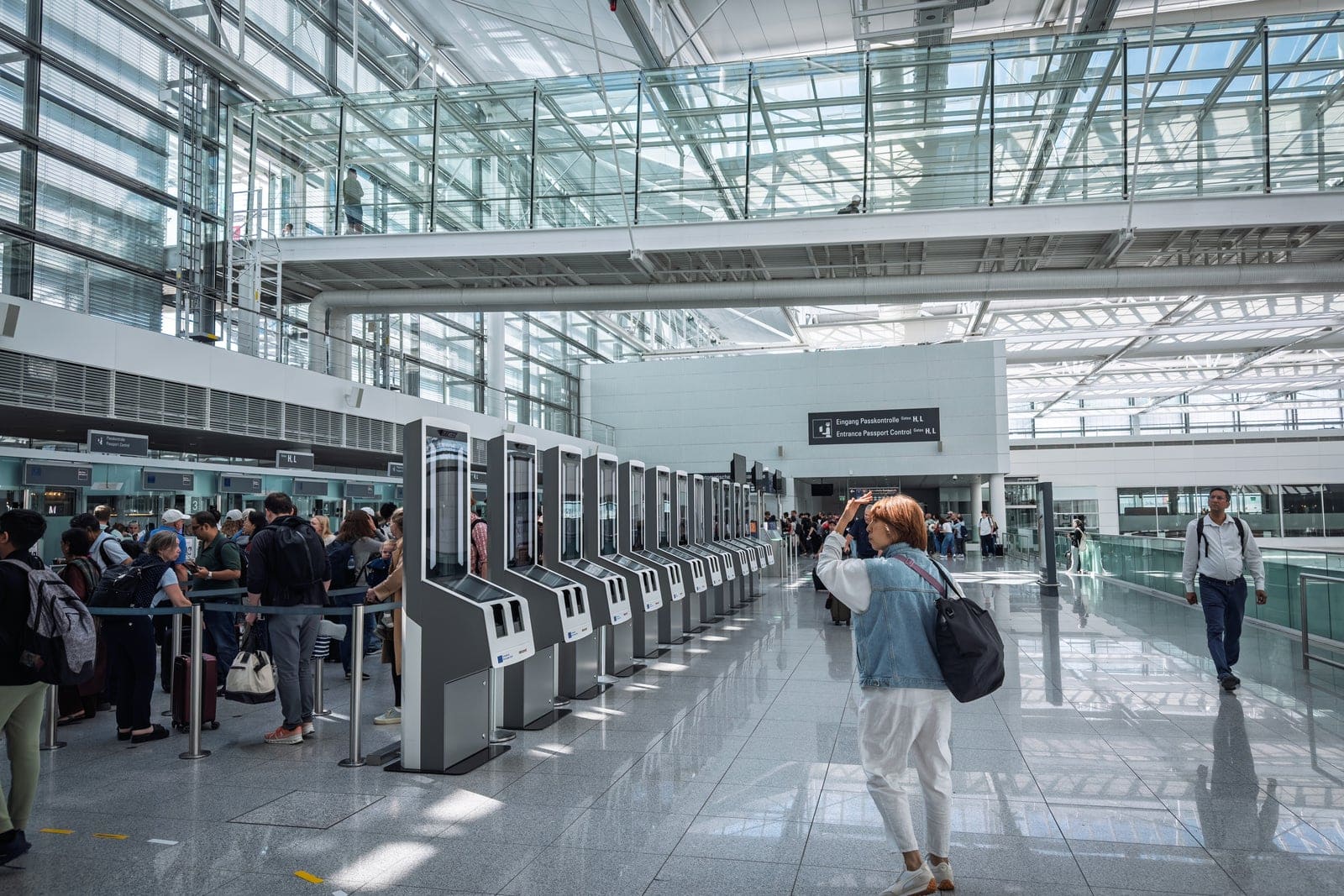
The entry/exit system began rolling out in stages last October, replacing ink stamps with fingerprint and facial scans for travellers entering the Schengen zone. By April it was live across all 29 member countries. The idea was straightforward: capture biometric data once, then speed up future crossings. In practice, the rollout has been anything but smooth.
Queues have lengthened at major airports. One in five British travellers now say they are rethinking summer plans to the continent because of the delays, and airlines have raised alarms about insufficient scanner kiosks and staffing at key hubs. Alicante, a gateway to Spain's Mediterranean coast, has been singled out as particularly unprepared. The airport is now planning a £985 million upgrade that includes dedicated facilities for the new checks.
What Officials Are Saying
Apostolos Tzitzikostas, the European commissioner overseeing border negotiations with non-EU countries, has privately indicated that the pause on full enforcement could be extended, according to people briefed on the conversations. He met with UK transport secretary Heidi Alexander in mid-July, and she came away reassured that Brussels understood the scale of the problem.
Alexander said after that meeting that everyone was "pulling in the same direction" and that she wanted travellers to have the holidays they deserved. The UK government announced £20 million in funding to add passport control booths at the Port of Dover, the main ferry crossing to France. Unlike air passengers, who clear biometric checks on arrival in the EU, ferry and train travellers will be processed on British soil before departure.
The Department for Transport has not confirmed whether an extension is guaranteed, but the tone from both sides suggests flexibility. No one wants a repeat of the chaos that followed earlier stages of the rollout, when passengers missed flights and terminal staff were overwhelmed.
Why the System Is Struggling
The core challenge is infrastructure. Many airports do not have enough biometric kiosks, and staff have not been trained at the pace needed to handle peak summer volumes. The system itself works, but deploying it at scale across dozens of border points in a matter of months has proven ambitious.
The checks apply to all non-EU nationals entering or leaving the Schengen area, which means millions of British, American, and other travellers are now in scope. Each person must provide fingerprints and a photograph on their first entry under the new regime. Subsequent trips should be faster, but that initial registration is a bottleneck.
Airlines have been blunt in their criticism. Ryanair has called the situation "queue chaos" and argued that the system should not go fully live until readiness improves. The airline pointed to multiple Spanish airports as examples of sites that are not yet equipped to handle the volume.
What Comes Next
If Brussels does extend the waiver, it would give airports and governments more time to add kiosks, hire staff, and refine processes. But it would also delay the long-term benefits the system is supposed to deliver: faster crossings, better security data, and an end to passport stamps that can be forged or missed.
The bigger question is whether the infrastructure will ever catch up to the ambition. The EU has been working on this system for years, and the October launch was already a compromise after multiple delays. Extending the grace period buys time, but it does not solve the underlying mismatch between policy and capacity.
For travellers, the message is mixed. Summer holidays are still happening, but with added uncertainty. Some may face long waits, others may sail through, depending on which airport they use and when they arrive. The only certainty is that the transition is taking longer than anyone planned.