The Technology Problem
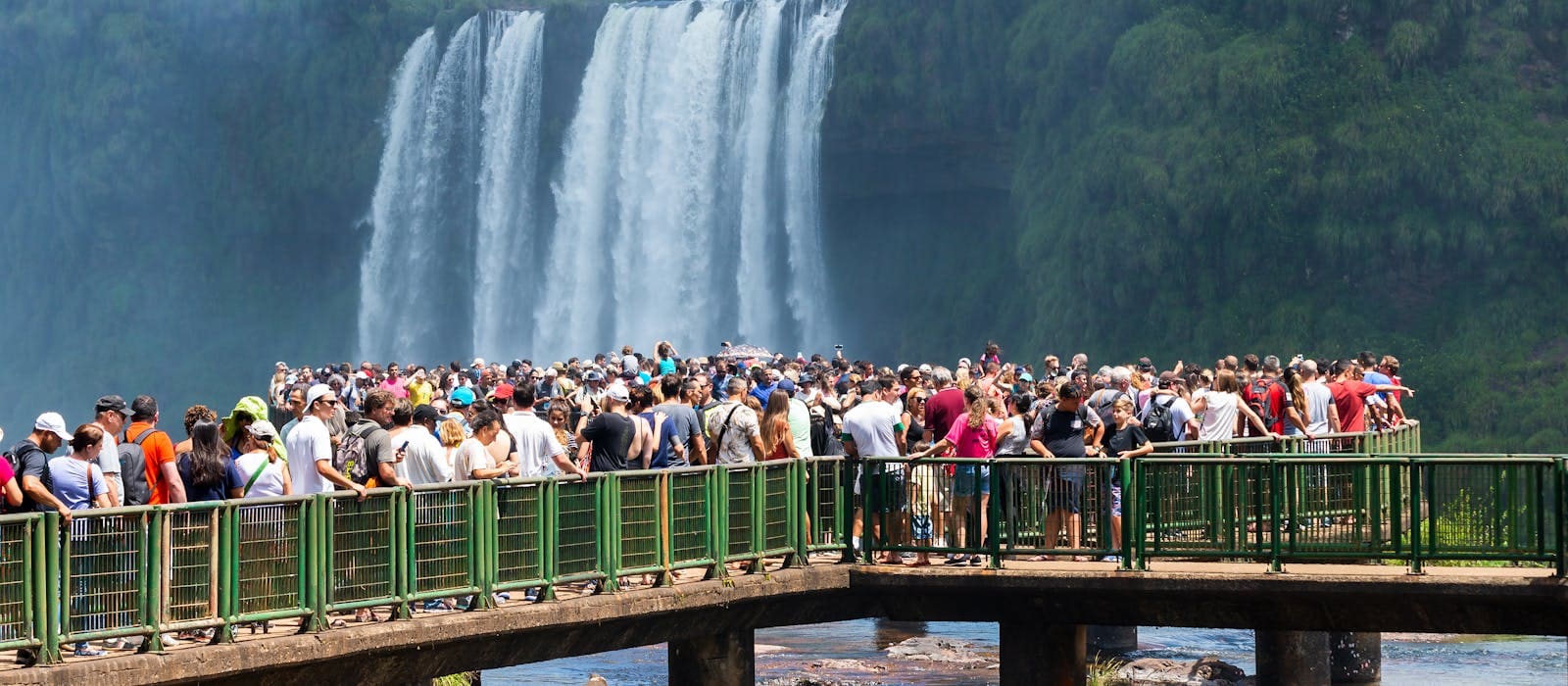
Long queues at Iguazu Falls. Shoulder-to-shoulder crowds in Barcelona. Locals priced out of Venice. The symptoms of overtourism are well documented, and so are the usual suspects: Airbnb, cruise ships, budget airlines, and the global middle class with smartphones in hand. But one culprit gets less attention: the technology that made all of it possible in the first place.
For more than a century, new ways of moving people have reshaped where they go. Railways opened up British seaside towns like Bournemouth and Blackpool in the 1800s. Cheap jet travel in the 1960s turned Majorca and the Costa del Sol into household names. Each wave of transport innovation brought a fresh surge of visitors to places that had been out of reach.
That pattern has stalled. There are no revolutionary new modes of transport on the horizon - no flying cars or hyperloops ready to unlock the next wave of destinations. Instead, the internet has taken over as the main engine of change, reshaping not just how we book trips but where we choose to go and why.
The Blurred Line Between Living and Visiting
Remote work has scrambled the old geography of tourism. People who once had to live near an office can now settle in places they used to visit only on holiday. The pandemic accelerated this shift, and it has not reversed. Some coastal towns and mountain villages now host year-round residents who would have been weekend tourists a decade ago.
Digital nomads take this further, treating entire countries as temporary bases. With a laptop and a stable connection, they can work from Bali one month and Lisbon the next. The distinction between traveler and resident becomes harder to draw, and the pressure on infrastructure grows in places that were never designed to absorb this kind of fluidity.
Social media adds another layer. A single viral video can turn an obscure village into a must-see destination overnight. In January 2025, the Italian ski town of Roccaraso was overwhelmed by visitors after a social media influencer posted about it. What had been a quiet resort became a traffic jam. The pattern repeats across the world: a photogenic staircase, a colorful street, a hidden beach - all it takes is one post to go viral, and the crowds follow.
Platforms That Shrink Distance
Before the internet, booking a trip required a travel agent or a thick guidebook. Now every guesthouse and boutique hotel is a search away. Airbnb alone hosted 5 million rental properties in 2024, turning spare rooms and vacant apartments into commercial accommodations. The platform has made it easier for travelers to find places to stay, but it has also concentrated demand in neighborhoods that were never zoned for tourism, pushing up rents and displacing long-term residents.
The gap between a destination and a potential visitor has collapsed. A family in Seoul can browse hotels in Reykjavik as easily as they would check a local restaurant. This ease of access is a triumph of technology, but it also means that popular places have no natural buffer against demand. If everyone can get there, many will.
Could AI Be the Answer?
Artificial intelligence is the next variable in this equation, and its role is still unclear. On one hand, it could help manage the mess. AI-driven systems might predict visitor flows more accurately, allowing cities like Barcelona and Venice to regulate arrivals before crowds become unmanageable. It could also personalize recommendations, steering travelers toward lesser-known destinations that would benefit from more attention, easing the strain on overloaded hotspots.
Then there is the prospect of virtual tourism. AI-enhanced virtual reality could let people experience a destination from home - walking through the Louvre, standing at the edge of the Grand Canyon, or exploring the temples of Angkor Wat, all without leaving the living room. Some research suggests this could reduce the need for physical travel, especially for people who are mainly interested in seeing famous landmarks rather than engaging deeply with a place.
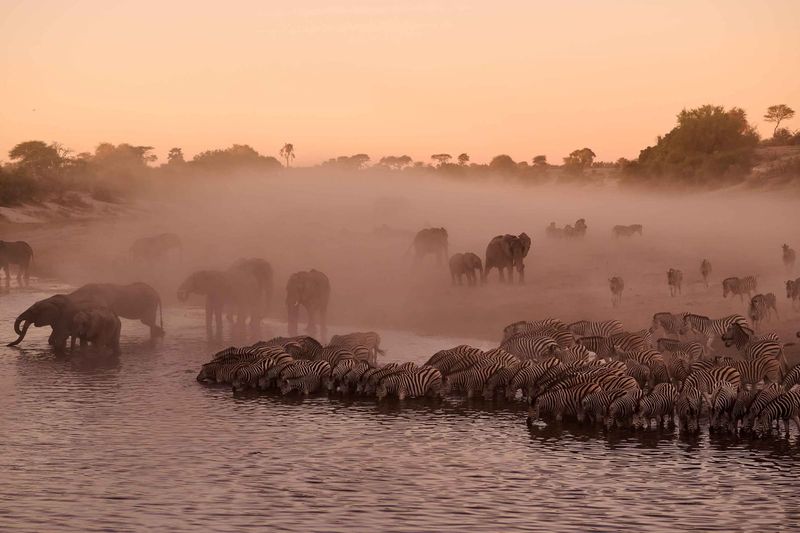
But history offers a cautionary note. When color television arrived in the 1960s, some predicted it would reduce tourism. Why fly to Kenya to see wildlife when you could watch it in vivid detail on a screen? The opposite happened. Nature documentaries fueled curiosity and made people more eager to see animals in the wild. Films and TV shows set in beautiful locations - whether New Zealand in The Lord of the Rings or California in countless Hollywood productions - have consistently boosted visitor numbers rather than replacing the desire to go.
Anticipation is part of the experience. Seeing something on a screen can heighten the appeal of the real thing rather than diminish it. If virtual tourism follows the same logic, it might introduce even more people to places they had never considered, adding to demand rather than relieving it.
The Uncertainty Ahead
Technology will continue to shape tourism, but not in predictable ways. AI could help distribute visitors more evenly, or it could amplify existing patterns by making popular places even easier to discover. Virtual reality might satisfy some travelers, but it could just as easily prime them for future trips.
Other forces are at work, too. Economic pressures and climate concerns are already influencing how people travel. Flight-shaming campaigns have gained traction in parts of Europe. Rising costs may slow the growth of international tourism, especially among younger travelers. But those factors are also unpredictable. A recession could dampen demand temporarily, or it could push people toward cheaper, closer destinations, concentrating pressure in new places.
What seems certain is that overtourism will not vanish on its own. Technology created many of the conditions that made it possible, and technology alone is unlikely to undo them. Managing crowds, protecting fragile sites, and ensuring that tourism benefits rather than harms local communities will require more than better algorithms. It will take deliberate choices about how and where we travel, and a willingness to accept that not every place needs to be on everyone's list.