The Wake-Up Call
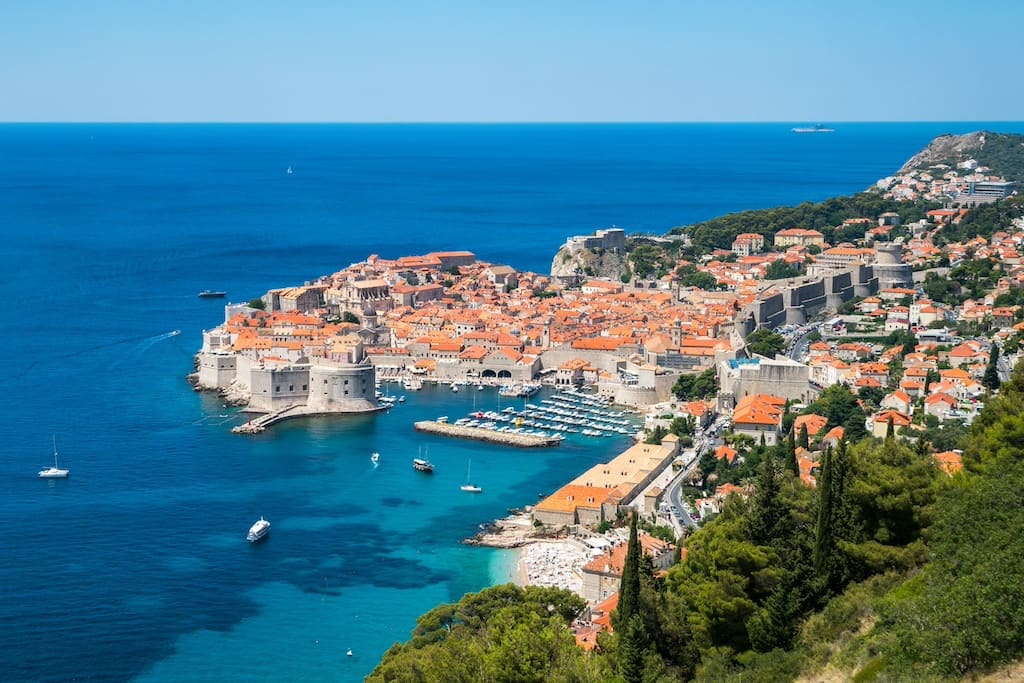
In 2017, UNESCO threatened to strip Dubrovnik of its World Heritage designation. The medieval Croatian port, famous for its stone ramparts and turn as a Game of Thrones backdrop, was drowning under day-trippers. Five or six cruise ships would dock at once, disgorging thousands onto cobblestones built centuries before mass tourism existed. The Old Town, hemmed in by its own walls, had no room to breathe.
That year, Mayor Mato Franković launched a program called Respect the City. The goal was not to slash visitor numbers but to spread them out, smooth the peaks, and give the city's infrastructure and residents a fighting chance. Nearly ten years later, the program is still running, and Dubrovnik is still standing.
Spreading the Load
The core idea is simple: if you cannot reduce demand, stretch it across time. Dubrovnik now caps the number of cruise ships that can dock simultaneously at two, with a combined passenger limit of four thousand. Each ship must stay at least eight hours, a rule designed to coax visitors beyond the Old Town perimeter and into neighborhoods where they might spend money at a family-run café or book a night in a guesthouse.
Coach operators face a parallel system. Buses must register in advance through an online booking platform, and the city releases only a limited number of slots per day. Authorities adjust availability based on events, season, and other arrivals, a form of dynamic capacity management that keeps the Old Town from tipping into gridlock.
The results are visible in the numbers. Between January and mid-July of 2026, Dubrovnik recorded around 650,000 arrivals and two million overnight stays, figures that suggest visitors are staying longer and spending more time outside the historic core.
Beyond the Numbers
Respect the City is not just a scheduling exercise. The program also sets behavioral expectations. One measure bans tourists from wheeling hard-shell suitcases across the Old Town's stone streets, a small rule that cuts down on both noise and wear. Outdoor areas are subject to a 55-decibel noise limit, roughly the volume of a normal conversation, to preserve the atmosphere residents and visitors alike come for.
Franković frames the campaign as a shared responsibility. Locals, business owners, and tourists all have a part to play in keeping the city livable. The message is less about policing and more about cultivating a culture of care.
The Housing Question
The mayor is already thinking ahead. One emerging priority is reclaiming underdeveloped tourism zones and converting them into affordable housing for residents. Short-term rental platforms have hollowed out parts of the city, turning residential blocks into transient apartment clusters. Franković worries that if the trend continues, Dubrovnik risks becoming a stage set, a place tourists visit but no one lives.
He argues that visitors want to encounter real neighborhoods, not ghost towns dressed up as attractions. The challenge is to preserve that authenticity while accommodating the economic reality that tourism brings jobs and revenue.
A Model Under Scrutiny
Other destinations facing similar pressures have started to watch Dubrovnik. The combination of arrival caps, advance registration systems, and noise enforcement offers a toolkit that does not require turning visitors away at the border. It is a middle path, one that acknowledges tourism as both opportunity and strain.
The program is not without trade-offs. Cruise lines and tour operators have had to adjust their schedules, and some businesses that thrived on high-volume, low-spend traffic have seen revenue shift. But the alternative, a UNESCO delisting or a city center drained of residents, posed a deeper threat.
What Comes Next
Dubrovnik's approach rests on a premise that not every city accepts: that tourism can be shaped, not just endured. The tools are mundane, booking systems and decibel meters, but the philosophy is harder to replicate. It requires political will, coordination across sectors, and a willingness to say no when the calendar is full.
The medieval walls that ring the Old Town were built to keep invaders out. Today, they frame a different kind of boundary, one that defines how many people can enter, when, and for how long. The city is still open, still beautiful, still worth visiting. It just asks that you book ahead and keep the noise down.