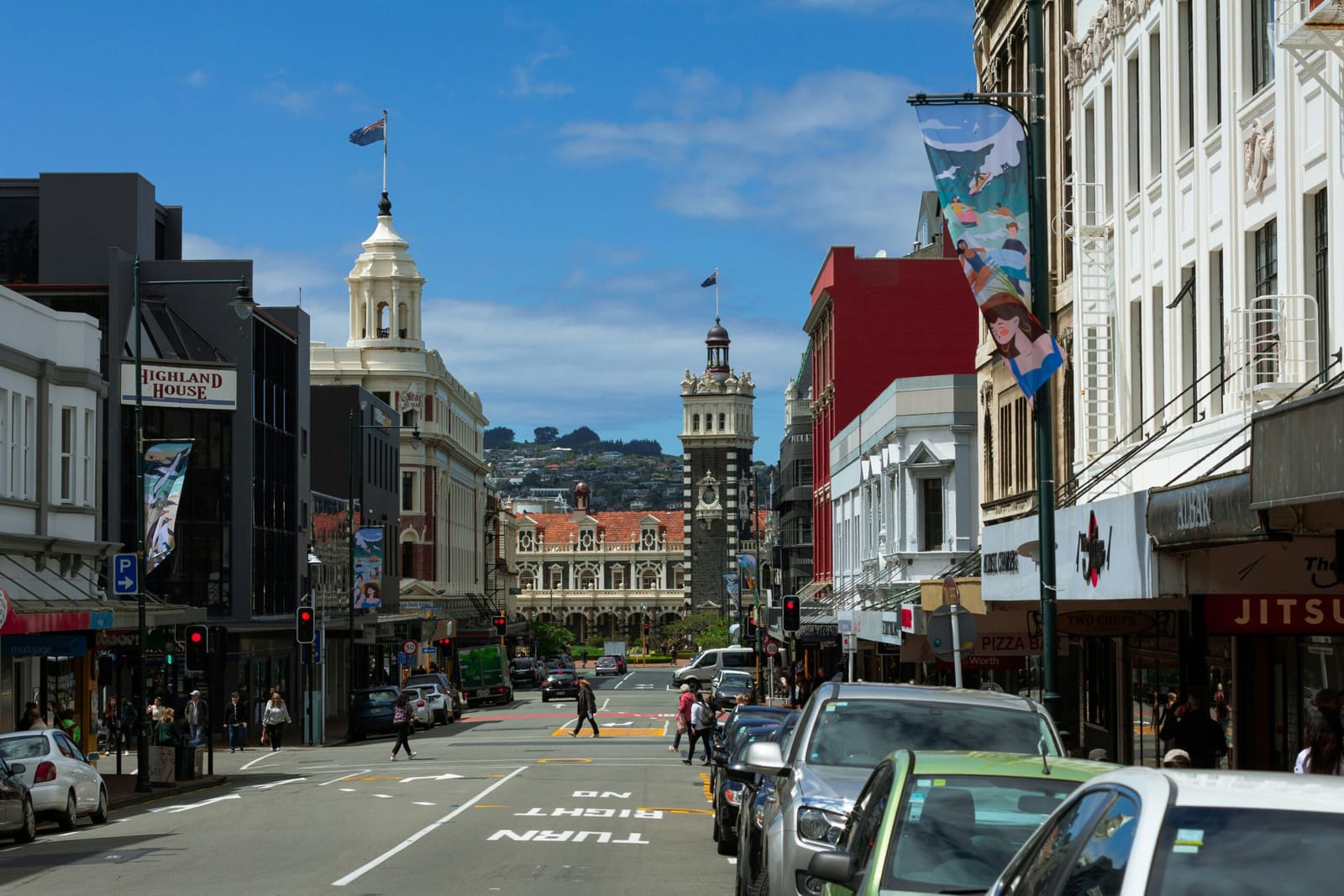
A Celestial Event Centuries in the Making
On the afternoon of 22 July 2028, the moon will slide directly between the sun and a stretch of New Zealand's South Island, plunging towns like Queenstown and Dunedin into midday darkness for nearly three minutes. It will be the first total solar eclipse visible anywhere in New Zealand since 1965, and the first to pass over Dunedin in more than 850 years.
Hotels in the southern city are already sold out. Dunedin Leisure Lodge has no rooms left for its eclipse package, which includes viewing glasses. Other properties across the city report similar advance bookings, a pattern that underscores how far in advance travellers now plan for rare astronomical events.
The eclipse is due to begin at 4:17 pm local time. The path of totality, roughly 100 kilometres wide, will sweep across the South Island, offering communities within it two minutes and fifty-one seconds of complete darkness. Dunedin sits near the end of that path, one of the last major populated places on Earth to experience totality before the shadow moves out over the Pacific.
Planning for a Once-in-a-Millennium Moment
Dr Ian Griffin, director of Tūhura Otago Museum and an astronomer, has been preparing for the event since 2013. The last total eclipse visible from Dunedin occurred in 1163, before humans arrived in New Zealand. "We will be the first people in Dunedin ever to see a solar eclipse from this part of the world," Griffin noted. He joked that he chose his house partly because it offers a clear view of the 2028 event.
City officials in Dunedin estimate around 35,000 visitors will arrive for the eclipse, a significant influx for a city of roughly 130,000 residents. The Dunedin Astronomical Society suggests the actual number could reach 50,000, which would nearly double the temporary population and place considerable pressure on infrastructure and services.
The path of totality begins over the Indian Ocean, crosses central Australia north of Alice Springs and Sydney, then continues through southern New Zealand, passing Milford Sound, Queenstown, Central Otago, and Dunedin. Each location along the route is preparing for an unprecedented surge in interest.
Cultural Timing and Festival Plans
The eclipse will occur eight days after Matariki, the Māori New Year, a period traditionally marked by reflection, remembrance, and the observation of the Pleiades star cluster. Dunedin officials see an opportunity to weave Indigenous cultural traditions into the eclipse festivities. The city is planning a night-sky festival that begins with Matariki celebrations and extends through the eclipse itself, blending astronomy with cultural heritage.
The timing is deliberate. Matariki has grown in prominence in recent years as a public holiday and a moment to engage with Māori perspectives on the natural world. Pairing it with a rare celestial event creates a broader narrative about how different cultures interpret and honour the sky.
A Growing Pattern in Astronomy Tourism
The rush to book accommodation in Dunedin mirrors trends seen elsewhere. Ahead of the total solar eclipse crossing Spain and Iceland in August 2026, hotels and short-term rentals in the path of totality have also reported strong early demand. Travellers are booking years in advance, treating eclipses less as spontaneous trips and more as long-term travel commitments.
This shift reflects a wider interest in experiential travel built around rare natural phenomena. Unlike a festival or exhibition that can be repeated, a total solar eclipse visible from a specific location is a one-time event tied to precise geography and timing. The rarity drives urgency, and the window to secure accommodation shrinks quickly.
For Dunedin, the economic impact is expected to be substantial. Visitor spending on lodging, food, transport, and tours will provide a windfall for local businesses, many of which are already planning special programming and extended hours around the eclipse weekend. The challenge will be managing the volume of visitors without overwhelming the city's capacity.
What Makes This Eclipse Unusual
Total solar eclipses are not uncommon globally - one occurs somewhere on Earth roughly every 18 months. What makes the 2028 event notable is its visibility from populated, accessible locations in New Zealand, a country that has not seen a total eclipse in over six decades. The 850-year gap for Dunedin specifically adds a layer of historical significance that resonates locally.
The duration of totality, just under three minutes, is typical for such events. What matters more is the clarity of the viewing conditions. New Zealand's South Island in late July can be cold and occasionally cloudy, introducing an element of uncertainty. Travellers booking now are banking on clear skies, but weather forecasts that far out are unreliable.
Griffin and other astronomers have been conducting outreach to educate the public about safe viewing practices and the science behind eclipses. The distribution of eclipse glasses, some included in hotel packages, is part of that effort. Looking directly at the sun without proper protection can cause permanent eye damage, a risk that increases during partial phases when the sun is not fully obscured.
The Logistics of a Visitor Surge
Dunedin's infrastructure is modest compared to larger cities. The influx of tens of thousands of additional visitors will test transport networks, parking availability, and public services. City planners are coordinating with regional authorities to manage traffic, arrange temporary facilities, and ensure emergency services are prepared.
Accommodation is only part of the puzzle. Campgrounds, caravan parks, and private homeowners offering short-term rentals are all likely to see bookings fill up well in advance. Some visitors may opt to stay in nearby towns and travel to Dunedin on the day of the eclipse, adding to road congestion.
The Dunedin Astronomical Society and local tourism boards are working on designated viewing sites, some of which may require tickets or advance registration to prevent overcrowding. Balancing public access with safety and environmental protection will be a priority, especially in areas with sensitive ecosystems or limited infrastructure.
A Moment That Won't Repeat
For residents of Dunedin, the 2028 eclipse represents a singular moment in their city's history. Many will experience it from their own backyards or neighbourhoods, while others will join organised viewing events. The sense of shared experience, both local and global, is part of what makes total eclipses compelling.
For visitors, the trip to Dunedin will be one piece of a larger journey. The South Island offers dramatic landscapes, from fiords to alpine lakes, and many travellers are expected to extend their stays to explore the region. The eclipse becomes a focal point, but not the only reason to travel.
As 2028 approaches, the conversation around the eclipse will intensify. Educational programs, media coverage, and community events will build anticipation. For now, the sold-out hotels and early bookings signal that the world has taken notice, and Dunedin is preparing to host a celestial event that will not happen again for centuries.