A Celestial Deadline
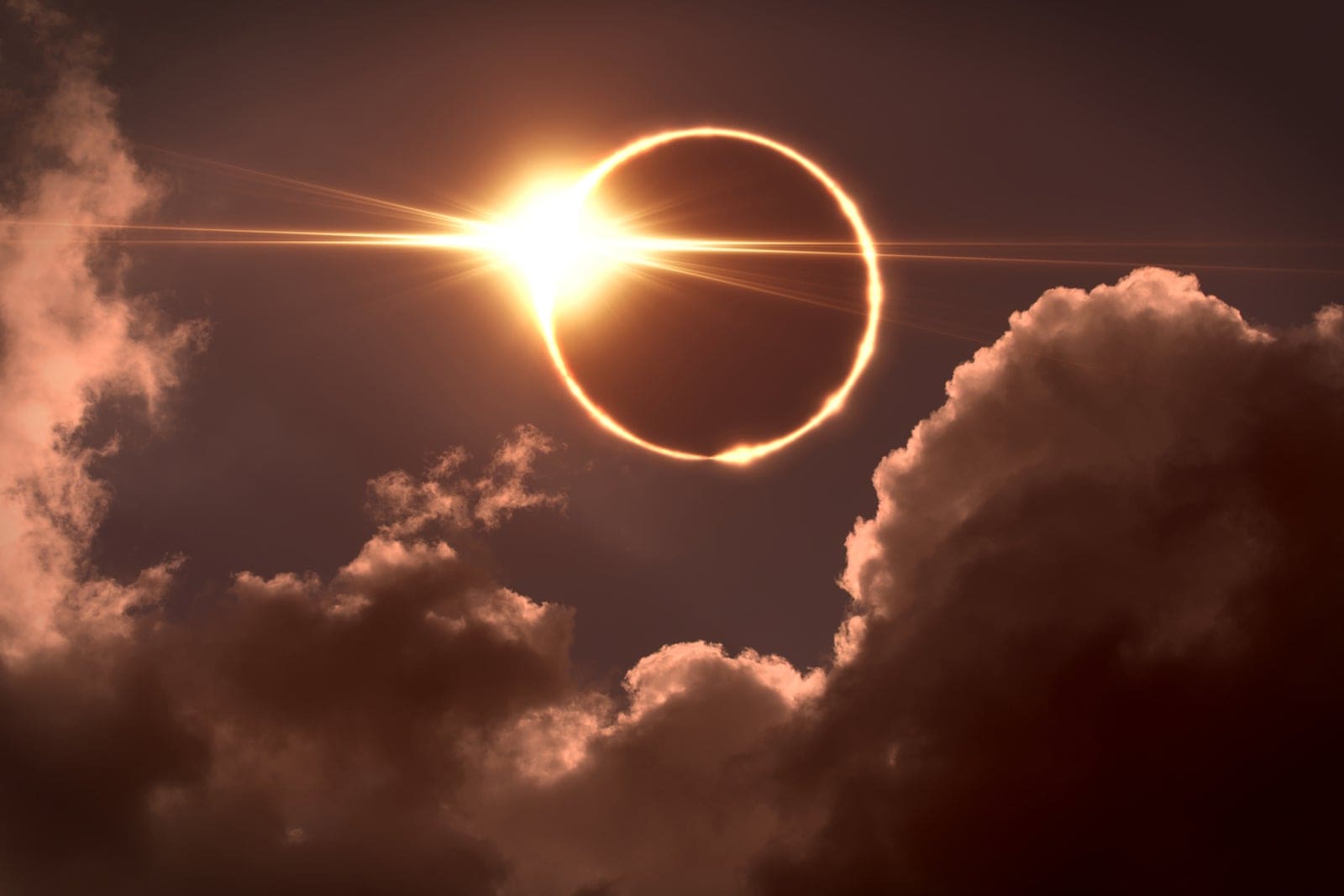
Hotels in Dunedin are turning away guests for July 2028. The reason sits more than 860 years in the past: the last time a total solar eclipse crossed this stretch of New Zealand's South Island was 1163. On July 22, 2028, the moon's shadow will sweep across the city at 4:17 p.m., blocking the sun completely for two minutes and 51 seconds.
By late July this year, properties including Dunedin Leisure Lodge had already marked their eclipse packages fully booked. The packages come with complimentary eclipse glasses, a practical touch for an event that draws its power from precision timing and geography.
The city sits at the center of the totality path, a narrow band where observers will experience complete darkness. That positioning makes Dunedin one of the most accessible spots to witness the eclipse before the sun sets over the Pacific.
The Path and the Numbers
The moon's shadow will begin its journey over the Indian Ocean, then track across central Australia north of Alice Springs. From there, it moves through Sydney before reaching New Zealand's South Island, passing just north of Milford Sound and Queenstown, then through Central Otago to Dunedin.
According to the Dunedin Astronomical Society, roughly 50,000 visitors are expected to arrive for the event. That figure represents a significant surge for a city whose metro population hovers around 130,000. Warren Hurley, a member of the society, has been tracking interest since the eclipse's path was confirmed years ago.
The last total solar eclipse visible anywhere in this part of New Zealand occurred in 1965, more than half a century ago. The 2028 event carries additional weight because of its rarity in this specific location - the 1163 eclipse remains the most recent comparable event for Dunedin itself.
Cultural and Scientific Layers
The eclipse arrives eight days after Matariki, the Māori New Year, which typically falls in late June or early July. Dunedin's city council has noted the overlap as an opportunity to weave Indigenous knowledge systems with contemporary astronomy, creating a celebration that moves beyond the mechanics of celestial alignment.
Matariki marks the rise of the Pleiades star cluster and has long served as a time for reflection, remembrance, and planning for the year ahead in Māori tradition. The proximity of the eclipse adds a layer of cosmic timing that organizers see as culturally resonant, not merely coincidental.
For the Dunedin Astronomical Society, the event represents a rare chance to bring public attention to the night sky in a region already known for dark skies and minimal light pollution. The society has been coordinating with local authorities on viewing sites, safety protocols, and educational outreach in the lead-up to 2028.
The Accommodation Crunch
The sell-out two years in advance signals both the scale of interest and the logistical challenges ahead. Dunedin's accommodation stock is limited compared to larger cities, and the eclipse falls outside the usual winter tourism season. That timing means fewer travelers would typically be in the region, but the eclipse inverts the pattern entirely.
The speed of bookings suggests that eclipse tourism operates on a different timeline than conventional travel. Enthusiasts who have chased eclipses across continents know that totality locations fill early, and they plan accordingly. The 2028 event is already drawing that global cohort, alongside domestic travelers who recognize the rarity of the opportunity.
Neighboring towns and cities in Central Otago and along the totality path are likely to see similar demand, though Dunedin's position at the center of the band gives it a particular draw. The city's infrastructure, including its university and research institutions, also positions it as a hub for scientific observation during the event.
What Totality Means
A total solar eclipse is distinct from a partial one in ways that go beyond percentages of coverage. During totality, the sun's corona becomes visible, temperatures drop, and the quality of light shifts dramatically. Birds may return to roost, and stars can appear in the middle of the afternoon. The experience lasts only as long as the moon fully obscures the sun - in Dunedin's case, just under three minutes.
That brief window is what drives the travel. Partial eclipses, where the moon covers 90 percent or more of the sun, are far more common and visible from much wider geographic areas. But totality requires being in the right place at the right time, and it's the totality that carries the emotional and visual impact eclipse chasers describe.
New Zealand's South Island offers stable winter weather patterns in July, though cloud cover remains a risk. The timing near sunset adds both beauty and complexity - the lower sun angle creates dramatic lighting, but it also means less margin for delays or cloud interference.
A Long Wait, A Short Event
The gap between now and 2028 may feel long, but for Dunedin's tourism operators, the planning is already well underway. The early sell-out of hotels suggests that the city's capacity will be tested, and that overflow accommodation, whether in neighboring towns or temporary setups, will likely be necessary.
For travelers who missed the initial booking window, the lesson is clear: eclipse tourism operates on a timeline that begins years before the event itself. The 2028 eclipse will be over in less than three minutes, but its economic and cultural footprint is already shaping the city's trajectory.