A Revenue Stream, Not a Remedy
Edinburgh became the first city in the United Kingdom to implement a tourism levy on overnight stays this past Friday. Every guest booking paid accommodation now faces a five percent surcharge, with proceeds directed toward infrastructure, public spaces, arts programming, and the annual Fringe Festival. City officials estimate the measure could yield up to £50 million each year, a figure that sounds substantial until set against the scale of the challenges it aims to address.
The levy arrives at a moment when Edinburgh's relationship with tourism has grown strained. In 2024, the city welcomed 5.05 million overnight visitors who collectively spent over £2.5 billion. Tourism supports roughly 40,000 jobs, accounting for about 11 percent of the population. Yet that economic engine has also reshaped neighborhoods, strained public services, and sparked debate over whose needs the city prioritizes.
The Cost of Popularity
Edinburgh's accommodation market ranks as the most expensive in Western Europe for city breaks. Three-star hotels routinely command £200 per night during peak season. Against that baseline, a five percent fee adds relatively little to the final bill, raising questions about whether price alone will discourage arrivals or alter behavior.
The levy also exempts day-trippers and cruise passengers, two groups that contribute significantly to crowding without securing overnight lodging. A separate tax on cruise visitors is under consideration, but for now, the policy leaves a sizable gap in coverage.
European precedents offer limited reassurance. Cities from Venice to Lisbon have introduced visitor fees with little measurable effect on total arrivals. Tourists who have already committed to flights and itineraries tend to absorb incremental costs rather than cancel plans. The result is additional revenue but no meaningful shift in visitor volume or distribution.
Life at the Margins
For residents, the symptoms of overtourism have become routine. Short-term rental platforms have driven up housing costs and pushed long-term tenants farther from the center. Although Edinburgh now requires licenses for short-term lets and has begun enforcement, critics argue the regulations lack the teeth needed to reverse displacement.
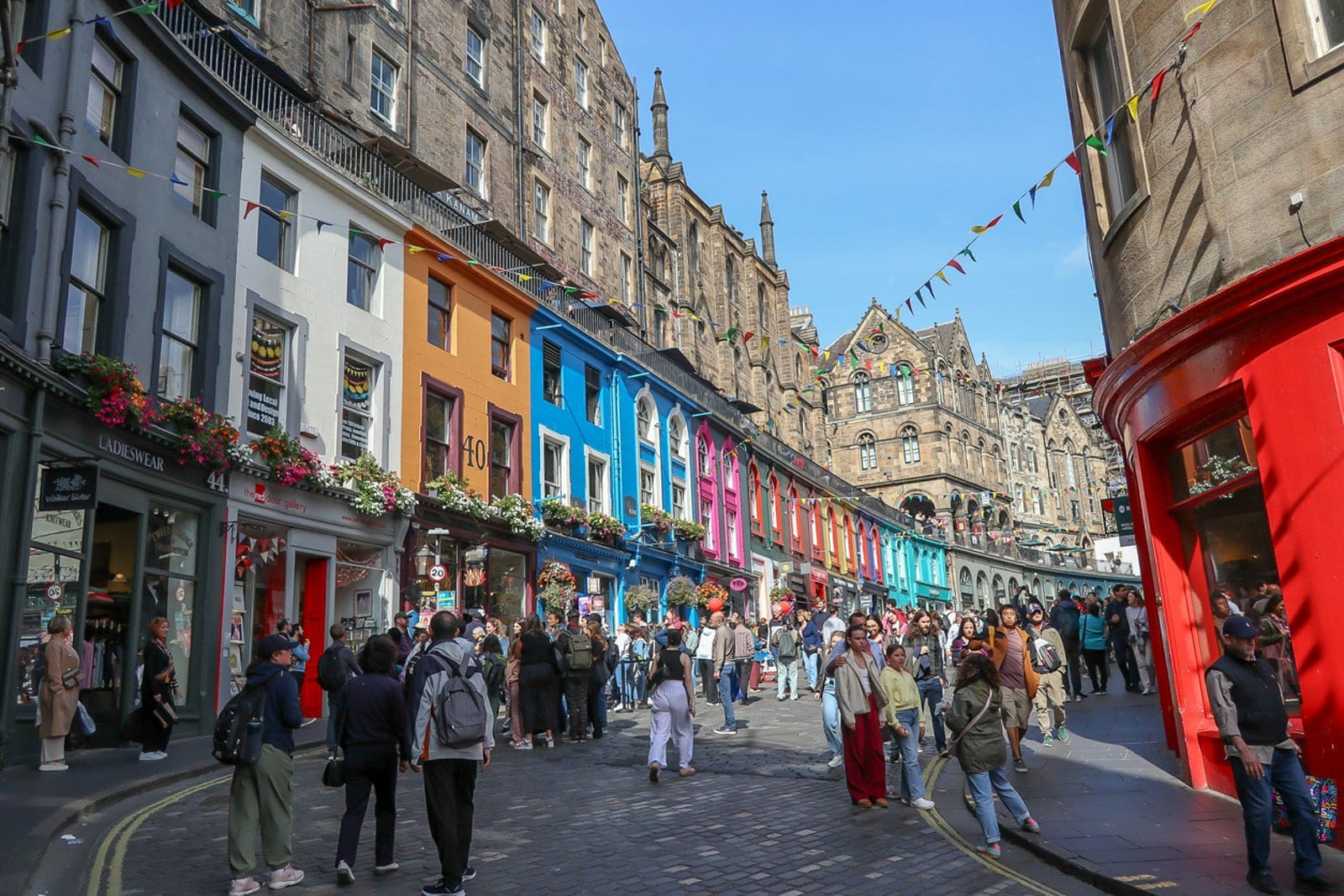
Those who remain in central neighborhoods find daily life increasingly shaped by visitor demand. Corner shops stock souvenirs and grab-and-go meals instead of household staples. Restaurants set high prices and fast table turns, catering to tourists on tight schedules. During August, when festival crowds swell, public transport fills to capacity, and waste collection shifts away from residential districts to focus on the Old Town and Royal Mile.
The imbalance extends beyond convenience. Local culture, the very asset that attracts visitors, depends on residents who can afford to live, work, and gather in the city. When neighborhoods become unaffordable or inhospitable to everyday life, the authenticity that travelers seek begins to erode.
What Revenue Can and Cannot Buy
The £50 million generated by the levy represents a meaningful investment opportunity. Edinburgh ranks among the world's most congested cities, and its public transport network struggles to absorb peak-season demand. Expanding tram routes, adding bus capacity, and maintaining infrastructure could ease crowding while reducing car traffic. Arts funding and public space improvements, also earmarked for levy proceeds, address quality-of-life concerns for both residents and visitors.
Yet money alone cannot resolve the structural questions at the heart of Edinburgh's tourism model. Should visitor numbers be capped during festival season? How can the city encourage tourists to explore beyond the Royal Mile and Arthur's Seat? What mix of businesses should occupy central neighborhoods to serve both residents and guests? These questions require deliberation, not just budgets.
Edinburgh has convened a forum drawing from academia, community groups, businesses, and local government to advise on levy implementation. That collaborative approach represents a start, but meaningful progress demands ongoing dialogue about the city's identity and priorities.
Learning From Elsewhere
Barcelona offers one possible template. After years of tensions over tourism, the city halted efforts to grow visitor numbers further. Officials reduced the number of pavement cafes to improve pedestrian flow and subsidized shops that serve local needs rather than tourist demand. The guiding principle: a city that works for residents will offer a better experience for visitors as well.
Spreading tourism beyond Edinburgh's historic core could relieve pressure on the most congested areas. The wider Lothian region and Scotland's smaller towns possess their own appeal, yet lack the marketing and infrastructure to capture a meaningful share of arrivals. Redirecting even a fraction of Edinburgh's visitors would require coordination, investment, and a willingness to share the economic benefits of tourism more broadly.
A Conversation Worth Having
The overnight levy has sparked debate, which may prove more valuable than the revenue itself. Who should Edinburgh serve? Can the city sustain its current trajectory, or does it risk becoming a stage set where residents play supporting roles to a constant stream of visitors? Venice offers a cautionary example: a city center that has largely ceased to function as a living community and instead operates as an open-air museum.
Edinburgh has not reached that point, but the trend lines warrant attention. The levy represents one tool among many, useful for funding specific projects but insufficient to rebalance the relationship between tourism and daily life. The harder work lies in building consensus around limits, priorities, and the kind of city Edinburgh aspires to be. That conversation is beginning. Whether it leads to meaningful change will depend on the willingness of all stakeholders to engage honestly and accept trade-offs. The revenue from a tourist tax can fund improvements. It cannot, on its own, answer the deeper questions about identity and sustainability that Edinburgh now faces.