Another Delay for Border Control Plans
The European Travel Information and Authorisation System, a pre-travel permit for visitors from visa-exempt countries, will not come into force this year. The European Commission has scrapped its earlier commitment to a fourth-quarter 2026 launch, and official websites no longer carry a target date.
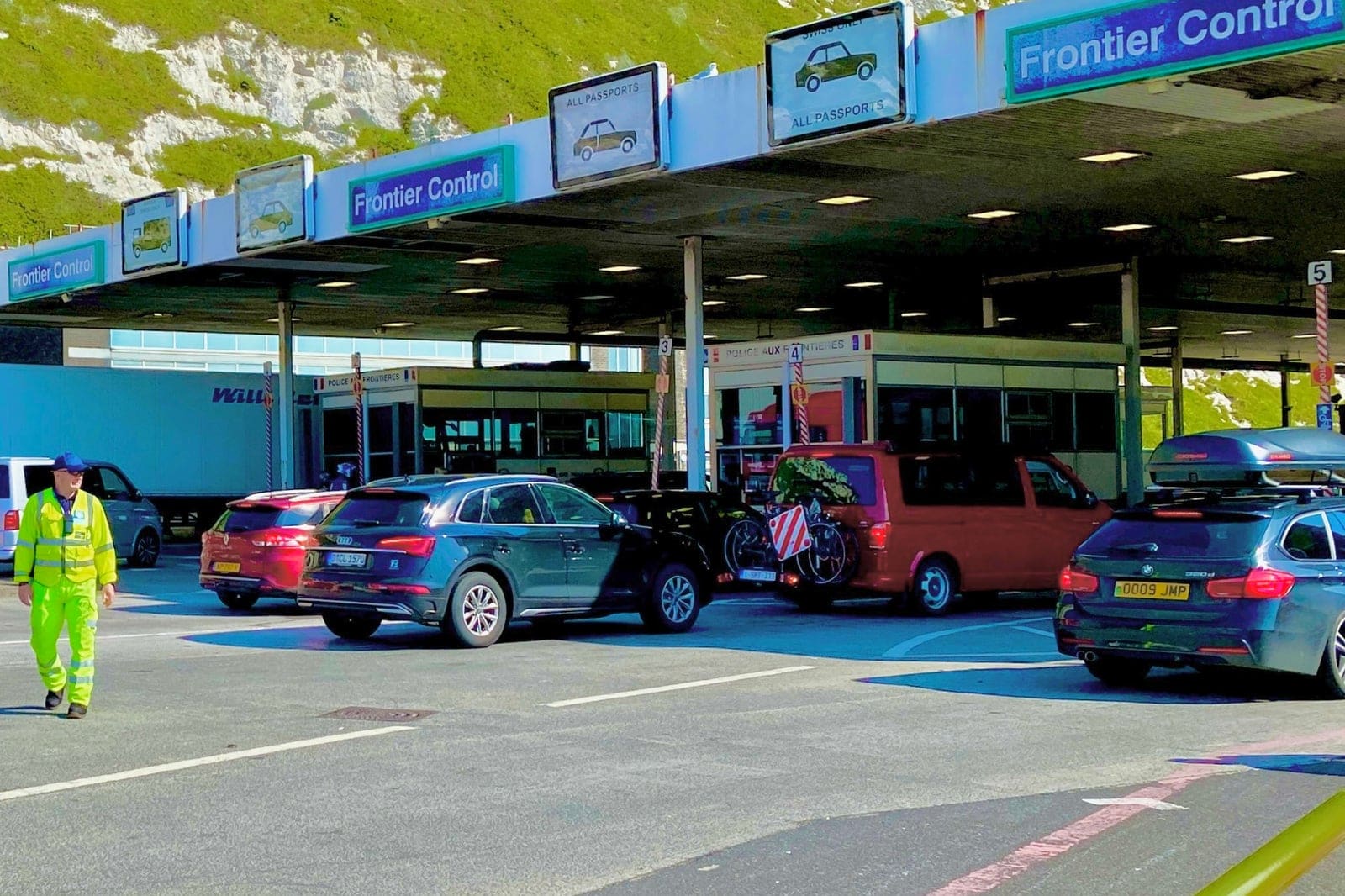
The delay stems from persistent problems with a separate border scheme that must be fully operational first. That system, known as the entry-exit system, requires every traveller crossing into or out of the Schengen Area to be logged in a central database, complete with fingerprints and facial scans. It was meant to be running smoothly by April 2026, but the rollout has been patchy and chaotic. Passport queues at Milan Linate left more than 100 passengers stranded when their flights departed without them, and gridlock clogged the port of Dover during the May school holiday.
Until those teething troubles are resolved, Etias cannot begin. The earliest realistic start is now 2027.
What Etias Actually Does
Once live, the system will require travellers from 59 countries and territories to apply online before visiting the Schengen Area. That includes the United Kingdom, which opted for third-country status when it left the European Union. Around 1.4 billion people will be covered.
The permit costs €20 and lasts three years or until a passport reaches three months before expiry, whichever comes first. Applicants under 18 or over 70 pay nothing, though they still need authorisation.
The Schengen Area includes most EU member states except Ireland, plus Iceland, Norway, Switzerland and Liechtenstein. British travellers heading to Gibraltar will also need a permit.
How the Application Will Work
At launch, the European Union will open a dedicated website and app. Any site currently claiming to process Etias applications is either a scam or a commercial middleman charging inflated fees. The official portal will be hosted at europa.eu/etias.
Applicants will submit their name, address, passport details and European contact information. They must declare any serious criminal convictions from the past 15 years, or 25 years for terrorism-related offences. That list runs to 29 categories, including murder, armed robbery, fraud, arson and child exploitation.
Travellers will also name the country where they intend to enter the Schengen zone and provide an address for their first night. But those details are not binding. Once approved, visitors can change plans without updating the system. After the first trip, subsequent entries during the three-year validity period require no further action.
Every application will be cross-checked against EU and Interpol databases, plus a purpose-built watch list. The system is designed to flag individuals linked to terrorism, money laundering, people-smuggling, cybercrime, counterfeiting, endangered-species trafficking and industrial espionage.
Most applications should be approved within minutes, though some may take up to four days. If an applicant's details trigger a database match, authorities may request additional information or schedule an interview. That can add up to 30 days to the process. The EU advises applying before booking flights or hotels.
Phased Introduction with Grace Periods
Even when Etias does go live, it will not be compulsory straight away. The European Union plans a transitional period of at least six months during which travellers are encouraged to apply but will not be refused entry if they arrive without one, provided their passport meets existing validity rules.
After that, a one-time grace period of another six months will apply. First-time visitors to Europe since the end of the transition will still be allowed in without a permit. Only repeat travellers who lack authorisation will be turned away.
That means the permit will not become truly mandatory until at least a year after launch, pushing full enforcement well into 2028 at the earliest.
Checking and Enforcement
Airlines will verify Etias status before boarding, much as they do now for travel to the United States or Canada. The permit is stored digitally and linked to the passport used in the application, so travellers need not print anything. Border guards will call up the details on screen.
But holding a valid permit does not guarantee entry. Frontier officials retain the right to refuse admission if a traveller fails to meet other conditions, and authorisation can be revoked at the border.
Who Does Not Need One
Anyone travelling on a study or work visa, or holding a long-stay permit from an EU country, is exempt. Ireland remains outside the Schengen Area, and the Common Travel Area between the UK, Ireland, the Isle of Man and the Channel Islands operates under separate rules. No permit is needed for Irish travel.
The 90-in-180 Rule Still Applies
Etias does not change the underlying limit on short stays. British travellers can spend no more than 90 days within any rolling 180-day period in the Schengen Area. Someone who uses all 90 days at the start of 2027 would be locked out until late June.
The UK requested that restriction as part of its post-Brexit arrangement.
Scam Sites Already Circulating
Commercial intermediaries are permitted to offer application services, but many sites are outright frauds. One claims to have processed more than 600 applications, which is impossible since no applications have been accepted anywhere. Another advertises a 40 per cent early-bird discount. Some misuse the EU logo, which is illegal.
Frontex, the border agency implementing the system, has warned that fake sites pose a risk of identity theft. Until the official portal launches, no legitimate applications can be made.
Not Technically a Visa, but Close Enough
The European Union insists Etias is a pre-travel authorisation, not a visa. But the distinction is largely semantic. Travellers must apply in advance, provide personal data, pay a fee and obtain permission to cross a border. That fits most people's working definition of a visa, regardless of what Brussels calls it.
The UK operates a similar scheme for visitors from dozens of countries, and the United States and Canada have long required electronic travel authorisations. All share the same structure: pay, disclose, wait for approval.
No Clear Timeline
The absence of a firm launch date reflects the scale of the challenge. The entry-exit system underpinning Etias has exposed gaps in infrastructure, staffing and coordination across dozens of border crossings. Until those are fixed, the pre-travel permit remains on hold.
For now, British travellers can continue visiting the Schengen Area with just a passport that meets the post-Brexit validity rules: issued within the past 10 years and valid for at least three months beyond the planned departure date. That will remain the case for at least another year, and likely longer.