A New Anchor Between Two Districts
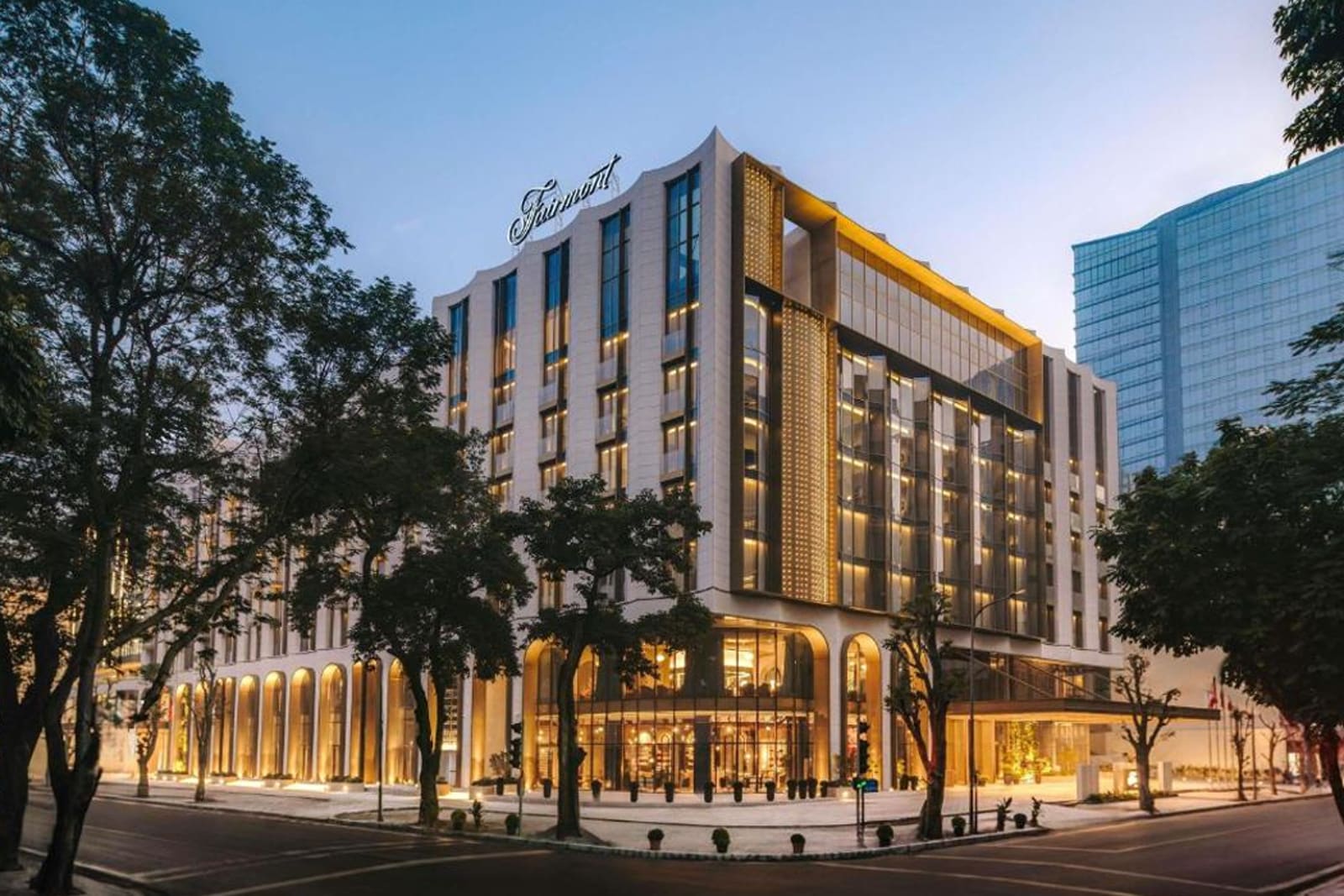
Fairmont's first property in Vietnam opened in Hanoi this year, occupying a colonial-facade building a few minutes' walk from Hoan Kiem Lake. The hotel straddles the Old Quarter and French Quarter, placing guests within reach of street-food lanes on one side and government buildings dating to the French era on the other.
The location is walkable. Hoan Kiem Lake sits five minutes away on foot; Ngoc Son Temple, accessible by a red wooden footbridge, sits on Jade Island in the middle of the water. Early mornings see locals practicing Tai Chi and aerobics along the lake edge. Farther afield, ride-hailing apps offer scooter rides through the city's denser neighbourhoods.
What the Hotel Delivers
Fairmont Hanoi has 260 rooms across King Rooms, Junior Suites, Suites, and higher tiers including a Presidential Suite. Standard King Rooms and Junior Suites are generously proportioned, with freestanding bathtubs, Japanese smart toilets in a separate cubicle, marbled showers, and living areas. Balconies come standard, though they lack outdoor furniture.
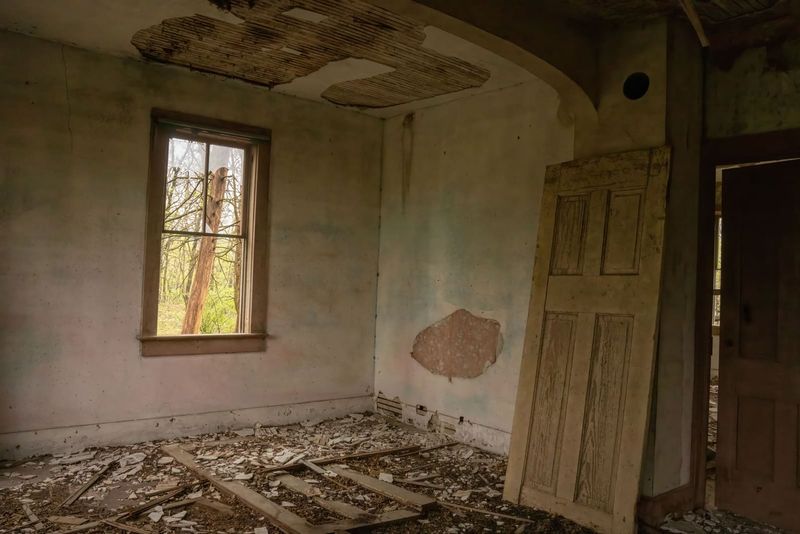
Some courtyard-facing rooms overlook a conference space, which may reduce privacy. Outward-facing rooms currently look onto a derelict building, though demolition is planned and future views will open toward the lake.
Gold Suite guests receive access to the Gold Club Lounge, which serves breakfast, all-day snacks, and drinks. These rooms also include Le Labo Santal 33 amenities and Dyson hairdryers.
The building's curved structure wraps around a shaded courtyard. A rooftop offers panoramic city views. The lobby features a large crystal chandelier and a seasonal floral display.
Eight Dining Concepts Under One Roof
The hotel houses eight restaurants and bars. Tran Dynasty, overseen by Vietnamese-Australian chef Luke Nguyen, anchors the dining program. The restaurant references Vietnam's 13th-century Tran Dynasty, with a temple-shaped bar, dragon relics, and cultural motifs across the interiors. Dishes include seared wagyu with crispy rice noodles, scallops in fish sauce, and chargrilled pork tomahawk.
Other venues include Hiyru, a Japanese omakase counter, and Bacco, an all-day Italian restaurant that also handles breakfast service. Breakfast is buffet-style, with bread, cured meats, fruit, granola, and hot items, plus an a la carte menu with Vietnamese, Korean, and Japanese variations. A pho station runs each morning.
Additional spots - 10 Central Cafe in the lobby, a spa cafe, and the rooftop pool bar - serve lighter fare and afternoon tea. YY Bar, candle-lit and tucked inside, pours signature cocktails including the Ha Noi and Ha Long.
The volume of in-house dining options is convenient for families but arguably excessive given Hanoi's reputation as one of Asia's top food cities. Beyond a meal at Tran Dynasty, the surrounding streets offer more authentic and varied experiences, from bún cá at Bún Cá Sâm Cây Si to the dozens of street stalls lining the Old Quarter.
A 3,500-Square-Metre Wellness Complex
The spa is the property's standout feature. Spread across 3,500 square metres, the facility draws on Japanese and Korean onsen design. It includes multiple saunas, steam rooms, three thermal pools at varying temperatures, and a Vichy shower room for hydrotherapy treatments. Male and female bathing areas are separate, and nudity is optional.
Additional amenities include meditation pods, salt rooms, ten treatment rooms, and an indoor lap pool. The spa is adult-only except on Sundays.
The rooftop pool, open to families, is lined with striped sun beds and cabanas. It's designed for lounging rather than swimming laps.
The gym is equally well-equipped, with a dedicated studio, daily fitness classes for guests, and complimentary personal training sessions available by appointment. TechnoGym machines offer guided workouts, and the layout provides privacy between stations.
Pricing and Positioning
Fairmont Hanoi positions itself as a luxury option, but rates fall below what comparable five-star properties charge in the city. The hotel attracts business travellers, families, and older couples seeking reliable service and extensive facilities.
Staff wear red silk blazers and navy trousers. Service across restaurants, lounges, and reception is attentive. Bartenders and concierge staff offer local dining recommendations, help arrange bikes and taxis, and book tours.
Concierge experiences include a day trip to the ancient village of Duong Lam with a homestead lunch, a walking tour through Hang Be Market, and Vespa tours through the city or surrounding countryside.
Practical Details
The hotel has seven accessible rooms with roll-in showers, grab bars, and emergency buttons. Wheelchair-friendly entrances, lifts, and step-free navigation extend through all public areas, including restaurants and bars.
Families can book interconnecting suites and twin rooms. Children's menus are available across dining venues. The rooftop pool is open to children, but the indoor pool and spa facilities are restricted to adults except on Sundays. Infant beds and babysitting services can be arranged through the concierge.
Pets are not permitted. Check-in begins at 3pm; check-out is at noon.
The Broader Picture
Fairmont's entry into Vietnam reflects the group's expansion across Southeast Asia. The Hanoi property leans into the city's French colonial architecture while layering in references to Vietnamese royal history, from gold-leaf ceilings to phoenix sculptures and mosaic tile floors.
The hotel's design choices - temple motifs, dragon relics, and Tran Dynasty references - signal an attempt to root the property in local heritage, though the execution skews toward decorative rather than immersive. The interiors are polished and uncluttered, but they don't break new ground.
For first-time visitors to Hanoi, Fairmont offers a comfortable base with extensive amenities and a central location. The spa alone justifies a stay for travellers prioritising wellness facilities. But for those seeking a more intimate or design-forward experience, smaller boutique properties in the city may offer a stronger sense of place.
The hotel's strength lies in its functionality. Eight dining venues, a sprawling wellness complex, and a rooftop pool deliver variety and convenience. The question is whether that level of self-contained programming is necessary in a city where the best experiences - culinary, cultural, and architectural - are found by stepping outside.