The House That Looked Like a Steamboat
Samuel Clemens lived in a building that refuses architectural logic. Brick the color of rust, chimneys that spiral upward without pattern, gables arranged as if by whim. The structure reads like a Mississippi riverboat crashed into a Victorian manor and decided to stay.
Inside, tour guides call him Sam. As though he just stepped out. The intimacy feels deliberate, a way to collapse the century between then and now.
His daughter discussed Huckleberry Finn with ease. The parent realized how much had been forgotten. Literary pilgrimages correct assumptions about who knows what.
Louis Comfort Tiffany decorated the interiors in 1881. Wallpaper with embossing, ceilings covered in stencil work, rooms drenched in crimson and gold. The expense nearly bankrupted the family. Clemens returned to the lecture circuit to pay for it all.
Harriet Beecher Stowe lived nearby. In one upstairs room with a billiard table, much of what scholars call the foundation of modern American prose was written. Two authors, two houses, one neighborhood in Hartford. Few places concentrate that much literary history into such a small radius.
What Happens at 70 Miles Per Hour
The original plan was straightforward. Rent a car at JFK. Drive north. Visit the homes where great books were written. See if genius leaves marks on the places it inhabited.
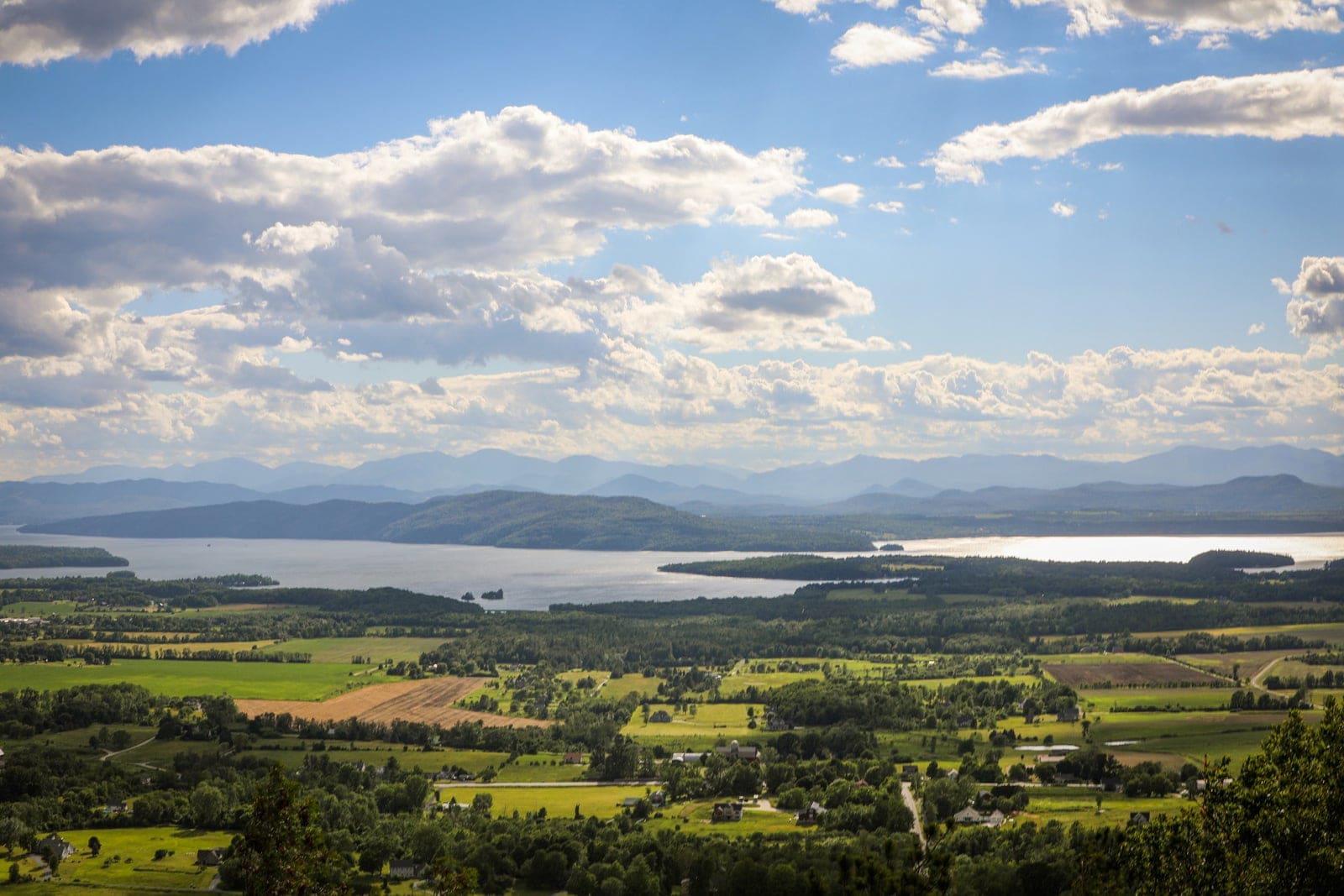
What emerged was different. Hours in a Subaru created space for conversation that daily life rarely allows. Books led to careers, then music, then silence, then laughter. The landscape became part of the exchange. Maple forests in full summer green. Highways empty enough to forget what year it was. Towns built around central greens where white churches still anchor the view.
Disputes were minor. One preferred Pink Floyd. The other introduced a band called Geese and insisted they mattered. Playlists became negotiations. So did restaurant choices.
By the second week, 2,000 miles had accumulated. So had a shared vocabulary that belonged only to them.
Houses That Contain Entire Worlds
Herman Melville lived beneath a mountain. His home at Arrowhead sits quiet, almost plain, with Mount Greylock rising in the distance. Here he wrote an epic about a whale that failed commercially and took decades to find readers.
The lesson repeated itself at every stop. Talent and recognition operate on different timelines.
Emily Dickinson narrowed her world to expand her imagination. Small rooms, controlled light, a life deliberately contracted. She published almost nothing while alive. Her poetry now anchors modern verse.
Louisa May Alcott worked from family life and transformed it into something larger. Little Women came directly from domestic experience yet reshaped how stories about women could be told. If Dickinson represents isolation, Alcott represents connection.
At Walden Pond, philosophy took the shape of a wooden hut. Henry David Thoreau lived there for just over two years. The pond is smaller than expected. Quieter. More ordinary. Yet it remains one of the most influential landscapes in American thought.
Nature was not decoration. Simplicity was not style. Both were moral positions.
The Revolution Started on a Village Green
At Lexington, Massachusetts, a guide in period costume stood where the first shots of the American Revolution were fired. He recounted Paul Revere's midnight warning with theatrical precision. The history is recent enough to feel immediate.
New England carries layers. Revolutionary battlefields. The birthplace of transcendentalism. The settings for Jaws, The Scarlet Letter, and "Alice's Restaurant." Bauhaus architecture sits next to colonial homes. A house designed by Walter Gropius feels radical in its clean lines, a deliberate break from everything around it.
The region refuses to be one thing.
Lobster Rolls and Long Silences
Between literary stops came bass fishing, canoeing, and lakes that stretched long and still. Diners with creaking porches served eggs and endless coffee. Coastal towns offered lobster rolls eaten at picnic tables overlooking gray Atlantic water.
A pizza restaurant in New Haven. An oceanside seafood spot with oysters worth the detour. A farm-to-table restaurant in Lexington with a sophisticated edge. Food became as much a part of the itinerary as author homes.
One night was spent in a treehouse at a Connecticut estate. Warnings about wild bears. Reality of charming bike paths through nearby woods. Another stay was at a lake resort with cabins and sauna huts, all clean lines and waterfront views.
Hotels are part of the mythology. So are the roads between them.
What Travel Actually Delivers
By the end, the literary pilgrimage had shifted into something else. The homes of famous writers mattered less than the hours spent driving between them. Conversations that started with books ended with politics, then careers, then silence punctuated by argument and laughter.
The landscape encouraged it. Maple-lined roads. Sudden glimpses of water. Towns with names that echo American history created a rhythm that made talking inevitable.
What began as an effort to understand America through its greatest authors became a reminder that time together is not a side benefit of travel. It is the reason to go.
Journeys rarely deliver what they promise. They often deliver something better. Two weeks and 2,000 miles proved that the person beside you changes what you see as much as the view through the windscreen.
Mark Twain believed travel is fatal to prejudice. He might have added that it works remarkably well for families.