A Sudden Shift at the Ferry Terminal
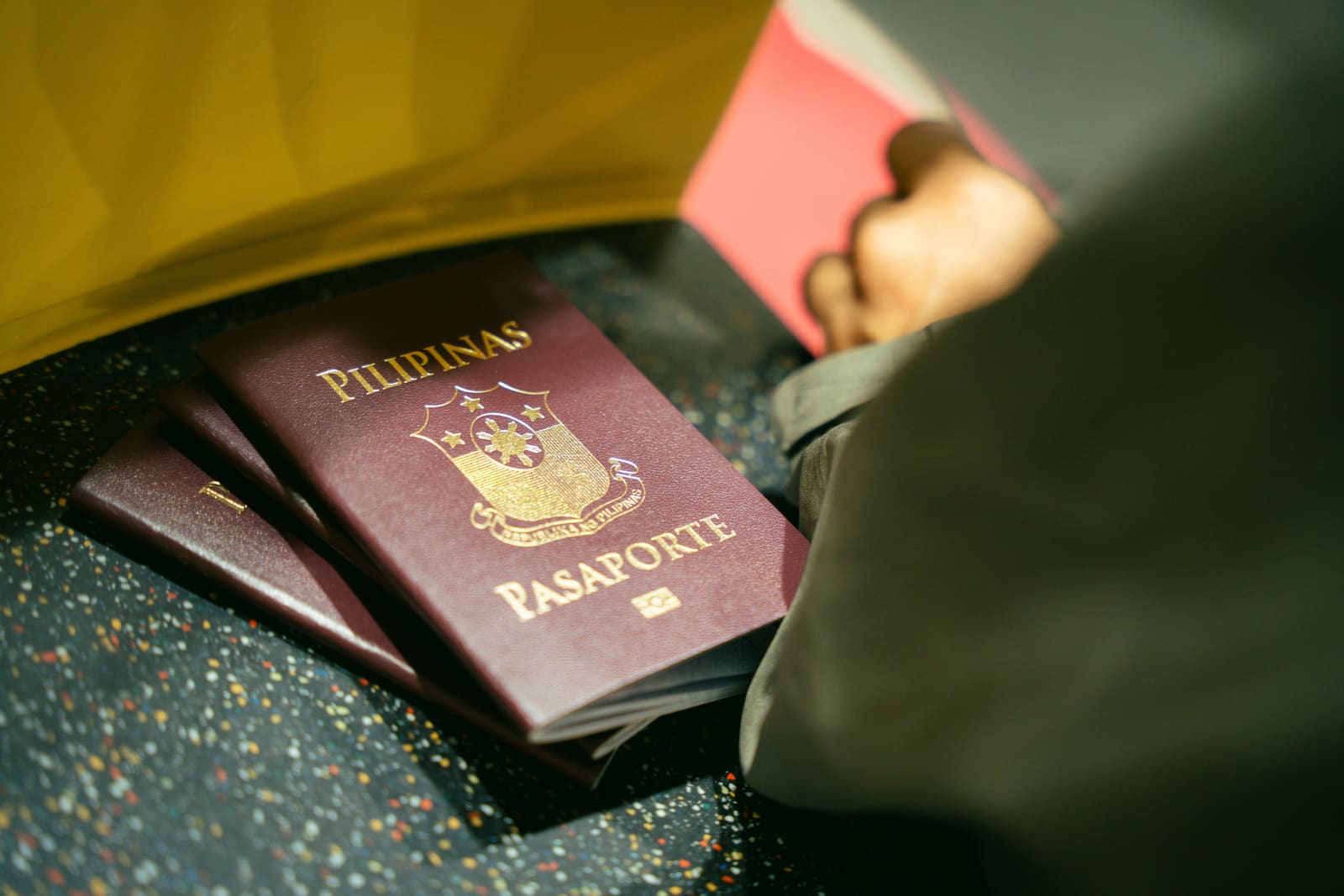
Starting 28 September, ferry passengers travelling between the Republic of Ireland and Britain found themselves facing a new requirement: mandatory passport checks at boarding. Stena Line and Irish Ferries both introduced the rule across their Irish Sea services, citing the need to align with UK Border Force standards on passenger data accuracy. The change applies regardless of nationality or age, meaning even infants now need travel documents.
For nearly a century, ferry passengers could board with a driving licence, a national identity card, or other forms of identification. That flexibility has disappeared. Irish citizens may use passport cards, but everyone else must carry a full passport or face being turned away at check-in.
The new policy covers sailings from Dublin, Rosslare, Fishguard, Holyhead, and Pembroke. Stena Line clarified that its Northern Ireland routes, connecting Belfast with Liverpool, Cairnryan, and Heysham, remain unaffected. Those services continue to operate under existing identification rules.
Who Is Affected
The rule applies to all passengers, including British and Irish nationals. For citizens of other countries visiting the UK for up to six months, an Electronic Travel Authorisation is also required. Irish Ferries highlighted this detail in its passenger communications, warning that the ETA allows entry to the UK, Jersey, Guernsey, and the Isle of Man.
Ireland's Department of Foreign Affairs urged travellers to verify carrier requirements before departure and ensure they have the correct documentation. The ministry posted reminders across social media channels, acknowledging that many passengers may have booked journeys expecting to travel on alternative identification.
The timing has proved problematic. Irish passport processing times remain long, and the rule took effect with relatively short notice. Some travellers who had already purchased tickets found themselves unable to board, lacking the newly required documents. Tour operators reported cancellations, with at least one telling media outlets that clients had been forced to abandon trips entirely.
The Common Travel Area Question
The Common Travel Area has governed movement between the United Kingdom, Ireland, the Isle of Man, and the Channel Islands since 1923. Under the arrangement, citizens of the UK and Ireland can travel freely across these jurisdictions without passport checks at the border. The agreement predates both countries' membership in what became the European Union and survived Brexit.
Critics argue that mandatory passport checks on ferries undermine the spirit of the CTA, even if they don't technically violate its terms. The arrangement allows for open borders but does not prevent transport operators from setting their own identification policies. Stena Line and Irish Ferries have framed the change as a compliance measure rather than a border control decision, pointing to UK Border Force data requirements as the driver.
Still, the practical effect is that passengers who once moved freely between Ireland and Britain with minimal documentation now face the same checks as those travelling further afield. The shift brings ferry travel in line with airline policies, which have required passports for years, but it also marks a departure from the looser norms that long characterised short sea crossings.
What Happens Next
For now, the rule is in place and operators are enforcing it. Passengers without passports are being refused boarding, and there is no indication that the policy will be reversed. The UK Border Force has not issued public statements explaining the data accuracy concerns that prompted the change, leaving travellers and industry observers to interpret the move on their own.
The impact extends beyond inconvenience. Families who booked ferry trips months in advance may find themselves unable to travel if a child's passport has expired or a renewal is delayed. Business travellers accustomed to quick crossings with a driving licence now need to plan ahead. And for those who see the CTA as a defining feature of British-Irish relations, the new checks feel like a step backwards.
Whether other routes will follow suit remains unclear. Northern Ireland services have been spared so far, but the precedent has been set. If passenger data standards tighten further, the days of hopping on a ferry with nothing but a driver's licence may be over for good.