A New Direction for the Budget Carrier
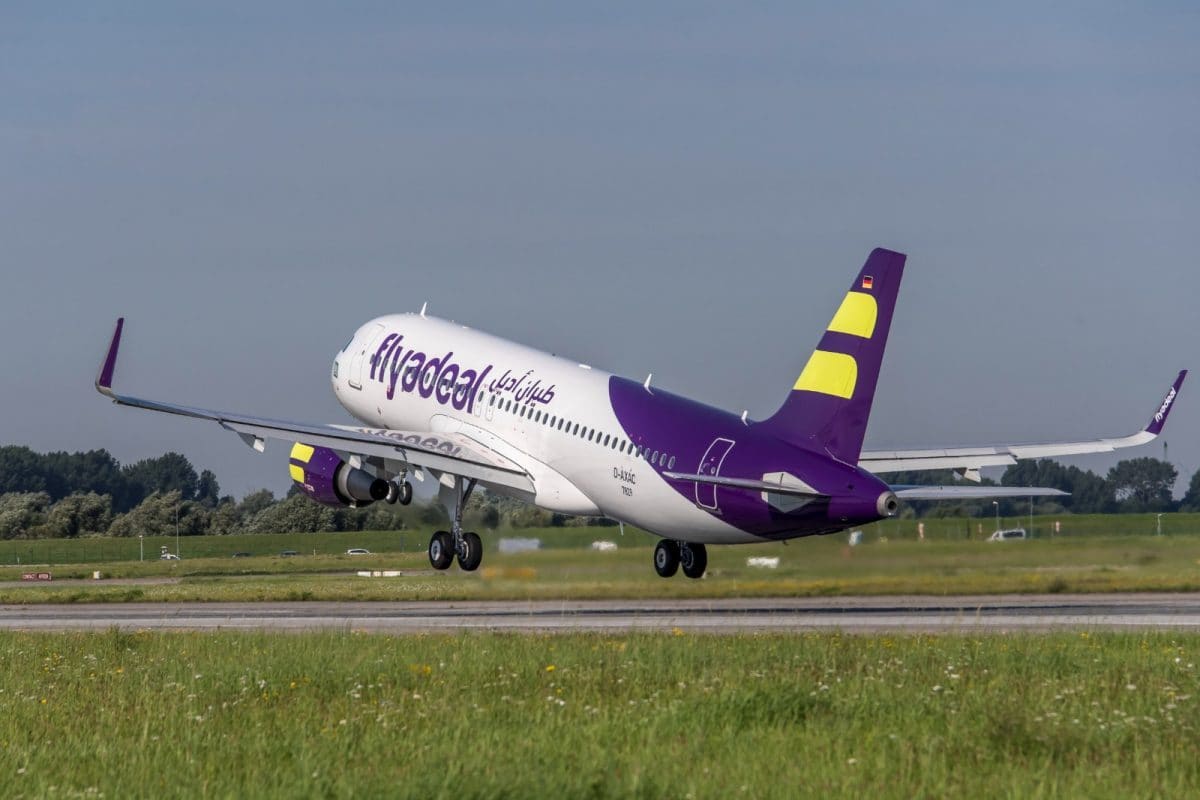
Flyadeal, the low-cost arm of Saudi Arabian flag carrier Saudia, is preparing to move beyond its traditional point-to-point model. The airline will introduce connecting flights with origin-and-destination fares and seamless connections in the coming weeks, according to acting chief executive Sanjiv Kapoor.
The change represents a significant shift for an airline that has operated exclusively on direct routes since its launch. Kapoor confirmed the network expansion plans in early September, signalling that the carrier is positioning itself for a more ambitious phase of growth.
The move comes as Flyadeal prepares for a fleet transformation. The airline will receive single-aisle Airbus A321neo aircraft in the second half of 2027, followed by A330neo widebody jets in the fourth quarter of the same year. Those widebodies will enable the carrier to operate longer routes that require more than one cabin class to remain commercially viable.
Premium Economy on the Horizon
Alongside the network changes, Flyadeal is planning to introduce premium economy seating. The decision reflects a broader trend among budget carriers seeking to capture higher-yielding passengers without abandoning their low-cost foundations.
Premium economy has become a testing ground for airlines trying to balance cost discipline with revenue diversification. For Flyadeal, the timing aligns with the arrival of widebody aircraft capable of accommodating multiple cabin configurations. The A330neo, with its longer range and larger capacity, offers the flexibility to segment the cabin in ways that single-aisle aircraft cannot.
The airline has not disclosed specific details about seat specifications, pricing, or which routes will feature the new product. However, the introduction of connecting flights suggests that Flyadeal is eyeing markets beyond the Gulf region, where competition for premium leisure and business travellers is intensifying.
Supply Chain Pressures Shape Expansion
Aircraft delivery delays have slowed network expansion across the industry, and Flyadeal is no exception. The airline's widebody deliveries, originally anticipated earlier, have been pushed to late 2027. These delays mirror challenges faced by carriers worldwide, from Air India's stalled fleet expansion to the repeated postponement of Riyadh Air's launch.
Saudi Arabia's aviation ambitions are central to the kingdom's economic diversification strategy. The government has invested heavily in airport infrastructure, new carriers, and tourism promotion. Flyadeal's expansion is part of that broader push, but it must navigate the same supply chain bottlenecks that have constrained competitors.
The airline's decision to add connecting flights before the widebodies arrive suggests it is testing operational systems and market demand in advance. Connecting passengers require baggage handling, transfer processes, and coordination that point-to-point carriers typically avoid. Building that capability now may smooth the transition when long-haul routes begin.
What This Means for the Market
Flyadeal's shift raises questions about how it will coexist with Saudia, its full-service parent. The two carriers already share a home base in Jeddah, and overlapping networks could create internal competition. Connecting flights and premium economy blur the line between budget and full-service models, potentially putting Flyadeal in direct competition with Saudia on certain routes.
The move also positions Flyadeal more directly against regional rivals such as Flynas, Saudi Arabia's other low-cost carrier, and Gulf-based competitors like Flydubai and Air Arabia. Those airlines have already developed connecting flight networks and are expanding into markets Flyadeal is now targeting.
For passengers, the changes could mean more routing options and competitive pressure on fares. However, the success of Flyadeal's strategy will depend on execution. Connecting flights add complexity and cost, and premium economy requires careful yield management to avoid cannibalising higher-priced seats or undercutting the budget brand.
The airline has not announced a network review, but the introduction of widebodies and connecting flights will likely prompt route adjustments. Some existing destinations may be dropped or reduced in frequency to make room for longer, higher-capacity routes. The carrier will need to balance its low-cost identity with the operational demands of a more complex network.
Timing and Uncertainty
Flyadeal's expansion plans are unfolding against a backdrop of volatile fuel prices and uncertain demand. The airline group is reportedly considering fuel hedging, a move that could stabilise costs but also expose the carrier to risk if oil prices move in unexpected directions.
The timing of the widebody deliveries, now set for the fourth quarter of 2027, leaves little margin for further delays. If Airbus faces additional production or certification issues, Flyadeal's long-haul ambitions could be pushed back again. In the meantime, the carrier must manage investor and government expectations while building the infrastructure needed to support a more complex operation.
The airline's leadership change earlier this year, with Kapoor stepping in as acting chief executive, adds another layer of transition. His experience with budget carriers in Asia may inform Flyadeal's approach, but the Saudi market presents unique challenges, from regulatory requirements to competition with state-backed rivals.
Flyadeal's next moves will test whether a budget carrier can successfully scale into long-haul connecting flights without losing the cost advantages that define the model. The answer will become clearer when the first widebodies arrive and the airline begins selling tickets for routes that require passengers to trust a low-cost carrier with their connections.