A Mountain for All Humankind
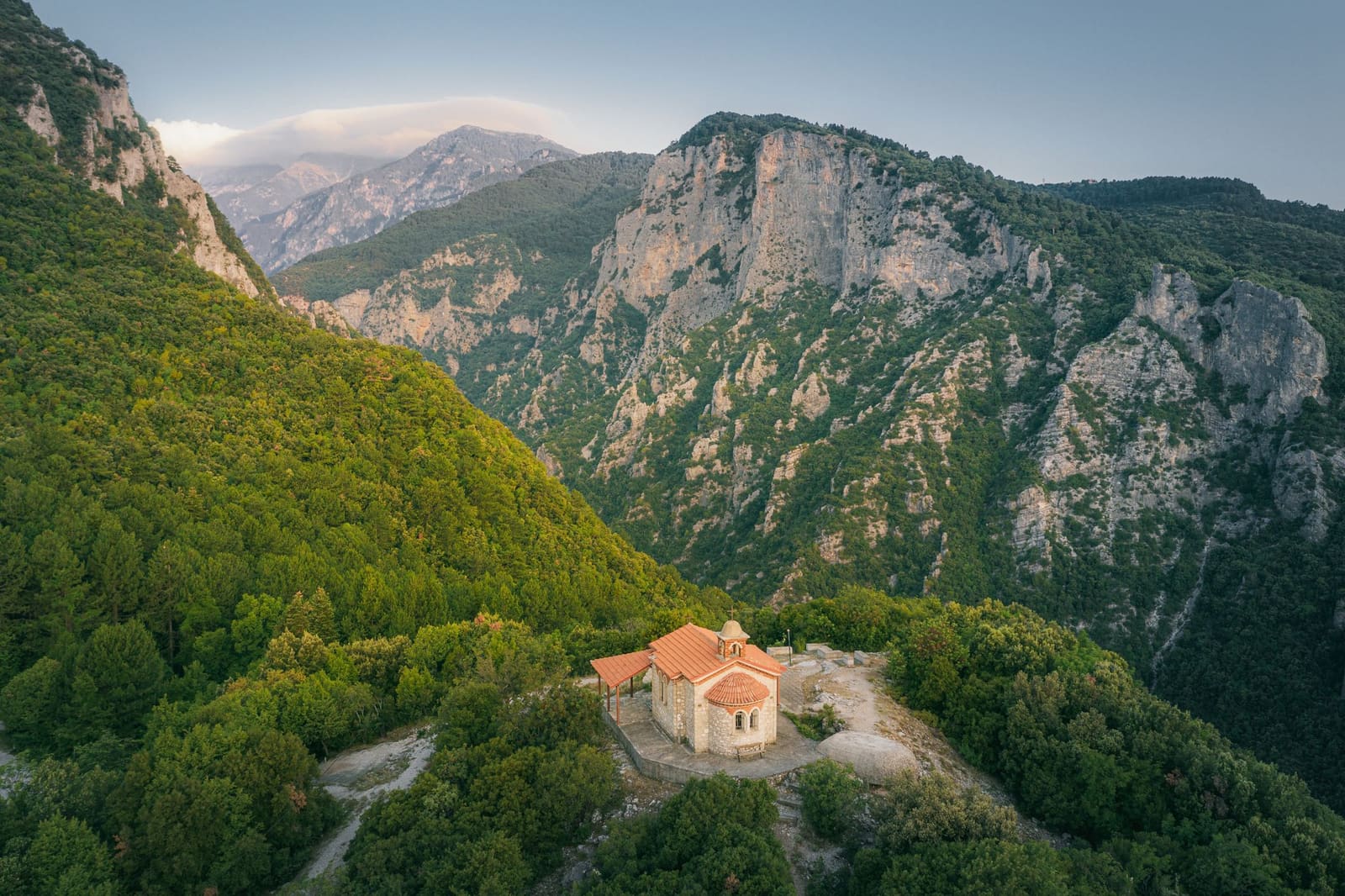
Mount Olympus, the legendary seat of Zeus and the pantheon of ancient Greek gods, has earned a place on the UNESCO World Heritage List. The designation, announced by the World Heritage Committee during its session in Busan, South Korea, recognizes the mountain as a mixed site of both cultural and natural importance.
The achievement caps a campaign that began in 2014, when Mount Olympus first appeared on Greece's tentative list of properties seeking world heritage status. According to UNESCO, Georgios Koumoutsakos, who led Greece's delegation in Busan, called the decision a reaffirmation of the country's commitment to safeguarding the mountain for present and future generations.
Greek Prime Minister Kyriakos Mitsotakis described the inscription as a national achievement of the highest order, writing that the mythical mountain now becomes one for all humankind, requiring protection forever.
Why Protection Matters Now
The timing of the designation reflects growing pressures on the mountain. Visitor numbers to Mount Olympus have risen sharply in recent years, raising concerns about overtourism and its effects on trails, vegetation, and wildlife. Forest fires, exacerbated by climate shifts in the Mediterranean, pose another persistent threat to the region's ecosystems.
World Heritage status brings more than prestige. Sites on the list gain access to technical support and financial assistance from UNESCO, resources that can be directed toward conservation work, infrastructure improvements, and monitoring programs. For Mount Olympus, that means tools to manage the balance between welcoming travelers and preserving the mountain's fragile environment.
The mountain's profile is likely to climb further with the release of Christopher Nolan's film The Odyssey, which was partially shot in Greece. The country provided subsidies for the production, a move that has already drawn attention to Greek landscapes as filming locations. Whether that translates into a sustained tourism bump remains to be seen, but the backdrop is set for increased visibility.
Cultural and Natural Layers
Mount Olympus holds a rare dual identity. In Greek mythology, it served as the home of the twelve Olympian gods, a narrative woven into literature, art, and cultural memory for millennia. That mythological weight gives the mountain a symbolic resonance that extends well beyond Greece's borders.
At the same time, the mountain is a biodiversity hotspot. Its slopes harbor endemic plant species, varied forest types, and wildlife adapted to the range's elevation gradients. The mixed designation acknowledges both threads, a recognition that cultural significance and ecological value often exist side by side.
Villages like Palaios Panteleimonas sit at the mountain's base, communities that have long lived in the shadow of Olympus. For them, the designation offers potential economic benefits through tourism, but also raises questions about how growth will be managed and who will benefit.
What Comes Next
Inscription on the World Heritage List is a beginning, not an endpoint. Greece will need to develop and enforce management plans that address visitor flows, fire prevention, and habitat protection. The country will also be expected to report regularly to UNESCO on the site's condition and any threats it faces.
For travelers, Mount Olympus remains accessible. Hiking routes wind up the mountain, with the most popular trail starting from the village of Litochoro. The summit, Mytikas, stands at 2,918 meters, offering views across the Aegean on clear days. But the mountain's new status may eventually bring changes to how access is regulated, particularly during peak seasons.
The designation also sets a precedent for other sites in Greece that blend myth and landscape. The country has a deep roster of places where cultural memory and natural setting intersect, and Mount Olympus now serves as a model for how those places might be recognized and protected on a global stage.
For now, the mountain that once belonged to the gods belongs, officially, to everyone.