Fires Spread Across Multiple Regions
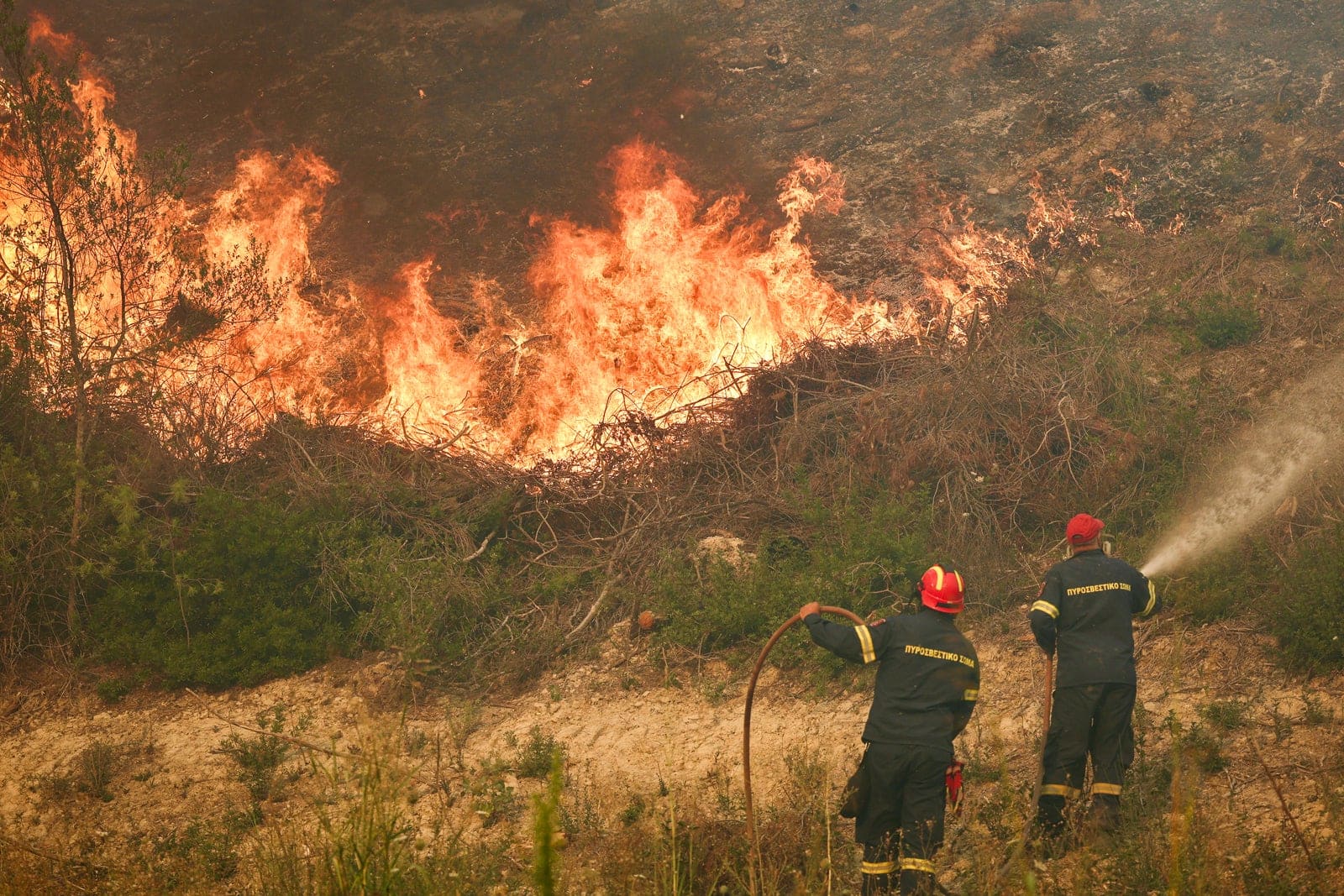
Two people died on Salamina island, west of Athens, when fast-moving wildfires swept through the Peristeria and Selina areas on Sunday. Homes came under threat as flames advanced, prompting evacuations across the island. Days earlier, firefighters battled blazes on both sides of the main road connecting Siviri to Kassandreia in Halkidiki, forcing locals and visitors to abandon villages at the height of the holiday season.
More than 140 firefighters were deployed to contain the Halkidiki fires. Other islands, including Evia, Crete, and Corfu, have also seen recent wildfire activity. The pattern fits a familiar summer rhythm in Greece: successive heatwaves and strong winds that turn dry brush into fuel.
What Travelers Should Know
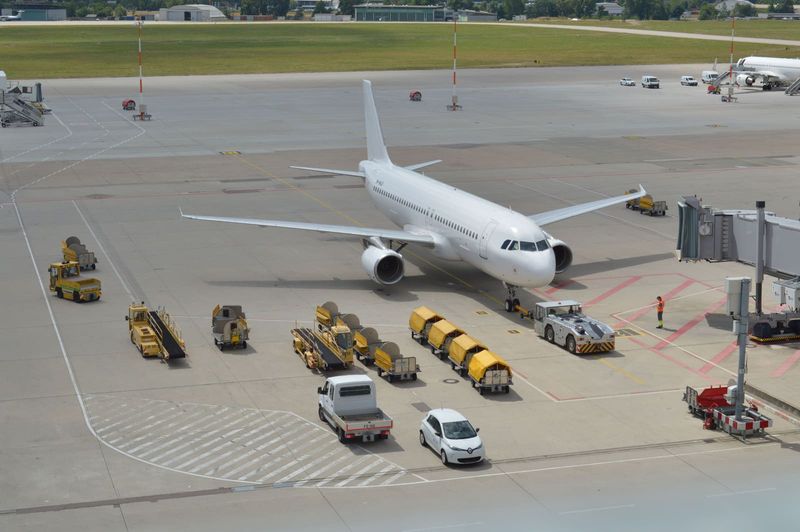
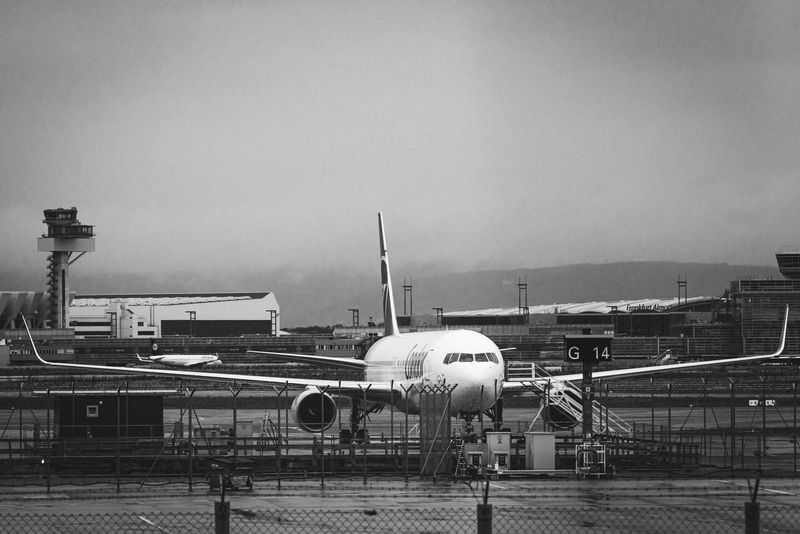
Airports serving the affected areas remain operational. Athens International continues to handle flights largely as scheduled, and Thessaloniki airport, the gateway to Halkidiki, has not reported disruptions. Still, the possibility of delays or cancellations exists as conditions shift.
The UK Foreign Office maintains its general wildfire advisory for Greece, noting a high risk from April through October, but has not issued region-specific warnings as of mid-August. That absence of formal guidance means most travelers cannot claim exceptional circumstances to cancel trips and receive full refunds. Holiday providers set their own terms, so anyone looking to postpone should contact them directly.
Some travel insurance policies cover natural disasters that prevent reaching a destination. Reading the fine print matters here: coverage varies widely, and not all insurers treat wildfires the same way.
Preparing for Unpredictable Conditions
Wildfires behave erratically. Wind direction, humidity, and terrain can turn a contained blaze into a sprawling emergency within hours. The Foreign Office advises travelers in Greece to register mobile phones for emergency alerts, which provide location-specific warnings as fires approach.
Anyone already in Greece or planning to go should monitor local news and stay in touch with accommodation providers. Coastal resorts may lie far from active fires, but smoke and shifting weather can change the picture quickly. Knowing evacuation routes and keeping travel documents accessible are practical steps that require little effort but offer real value if conditions worsen.
The Broader Context
Greece faces wildfires every summer, a reality shaped by climate, geography, and seasonal tourism patterns. The country has invested in firefighting infrastructure and early-warning systems, yet the scale and intensity of recent fires stretch resources thin. This year's blazes follow a pattern seen across southern Europe: longer dry spells, higher temperatures, and more frequent ignition events.
For travelers, the calculus involves balancing personal comfort with the realities of a destination under environmental stress. Airports remain open, and much of the country continues to welcome visitors without incident. At the same time, two deaths and multiple evacuations underscore that risk is not theoretical.
What Happens Next
The situation will likely remain fluid through the end of the fire season in October. Travelers booked for late summer or early autumn should keep an eye on both official advisories and ground-level reports from the regions they plan to visit. Those already in Greece should prioritize communication with airlines and tour operators, who may offer rebooking options even when formal cancellations are not available.
The decision to go or stay ultimately rests on individual tolerance for uncertainty. Greece remains accessible, but the margin for error narrows when fires are active. Travelers who value predictability may want to consider alternatives. Those willing to adapt can still find their way, provided they stay informed and flexible.