A City That Plays by Its Own Rules
San Sebastián sits on Spain's northern coast, but it might as well be its own country. The Basque region has its own language, its own way of eating, its own relationship with the ocean. For visitors, that cultural distinctiveness can be intimidating. For residents, it's a point of pride.
The city's food culture alone operates on a system of rituals that have evolved over roughly a century. Add to that the coastal weather patterns, the cycling infrastructure, and the surf hierarchy, and you have a place where knowing the unspoken rules genuinely improves your experience.
Tourism has become a sensitive topic across much of Europe, and San Sebastián is no exception. But the locals tend to warm to visitors who make even a small effort to understand how things work here.
Speaking the Local Language Opens Doors
San Sebastián is called Donostia in Euskera, the Basque language that predates the Romance languages by millennia. Most locals speak Spanish fluently, but using even a few Basque words signals respect.
Try "kaixo" for hello or "barkatu" when you need to excuse yourself in a crowded bar. The language looks nothing like Spanish because it isn't related to any other European language family. Its origins remain a linguistic mystery.
Even just calling the city Donostia instead of San Sebastián can shift how locals perceive you. It's a small gesture that acknowledges you're in Basque Country, not just generic Spain.
The Pintxo System Has Its Own Logic
Walk into a pintxo bar and you'll see small bites arranged on the counter, some skewered with toothpicks, others plated. The system looks casual, but it follows specific norms.
First, order your drink as soon as you catch the bartender's eye. Then decide what to eat. If the pintxo is within reach on the bar, you can take it yourself. If it's on the menu board, you need to order it from the server.
Locals typically eat one or two pintxos per bar, then move on. The tradition is about momentum, not settling in for a full meal at one spot. You pay at the end before leaving, not as you go.
If a bar hands you a dinner-size plate, that's usually a sign you've wandered into a tourist trap. Authentic pintxo bars serve small portions designed to be eaten standing or perched at a high table.
Some bars have started adopting restaurant-style service with lines forming outside. Locals generally avoid these. The whole point of pintxo culture is spontaneity, not queuing.
Meal Times Are Non-Negotiable
San Sebastián eats earlier than much of Spain, partly because of its proximity to France. Lunch starts around 1 pm, dinner around 8:30 or 9 pm. Some pintxo bars close their kitchens by 10:15 pm, especially on weeknights.
Show up at 6 pm expecting dinner and you'll find shuttered kitchens everywhere. The schedule isn't flexible, so syncing your stomach to local time prevents frustration.
Drinking follows its own code. Wine accompanies meals. Vermouth is the aperitif of choice before lunch or dinner. After eating, locals often order a gin and tonic as a digestif, though rum and coke runs a close second.
The Weather Demands Adaptation
Rain falls in San Sebastián every other day on average. The coastal climate is unpredictable, swinging from drizzle to sudden storms within hours.
Locals have developed vocabulary to match the weather patterns. "Sirimiri" describes the constant light mist. "Galerna" refers to a sudden storm that blows in when temperatures rise too quickly.
Umbrellas are nearly useless here. The wind, especially crossing bridges or walking along La Concha beach, destroys them. Residents wear hooded rain jackets and carry on with their day. Fighting the weather is pointless; adapting to it is the only strategy that works.
Beach Strategy Matters
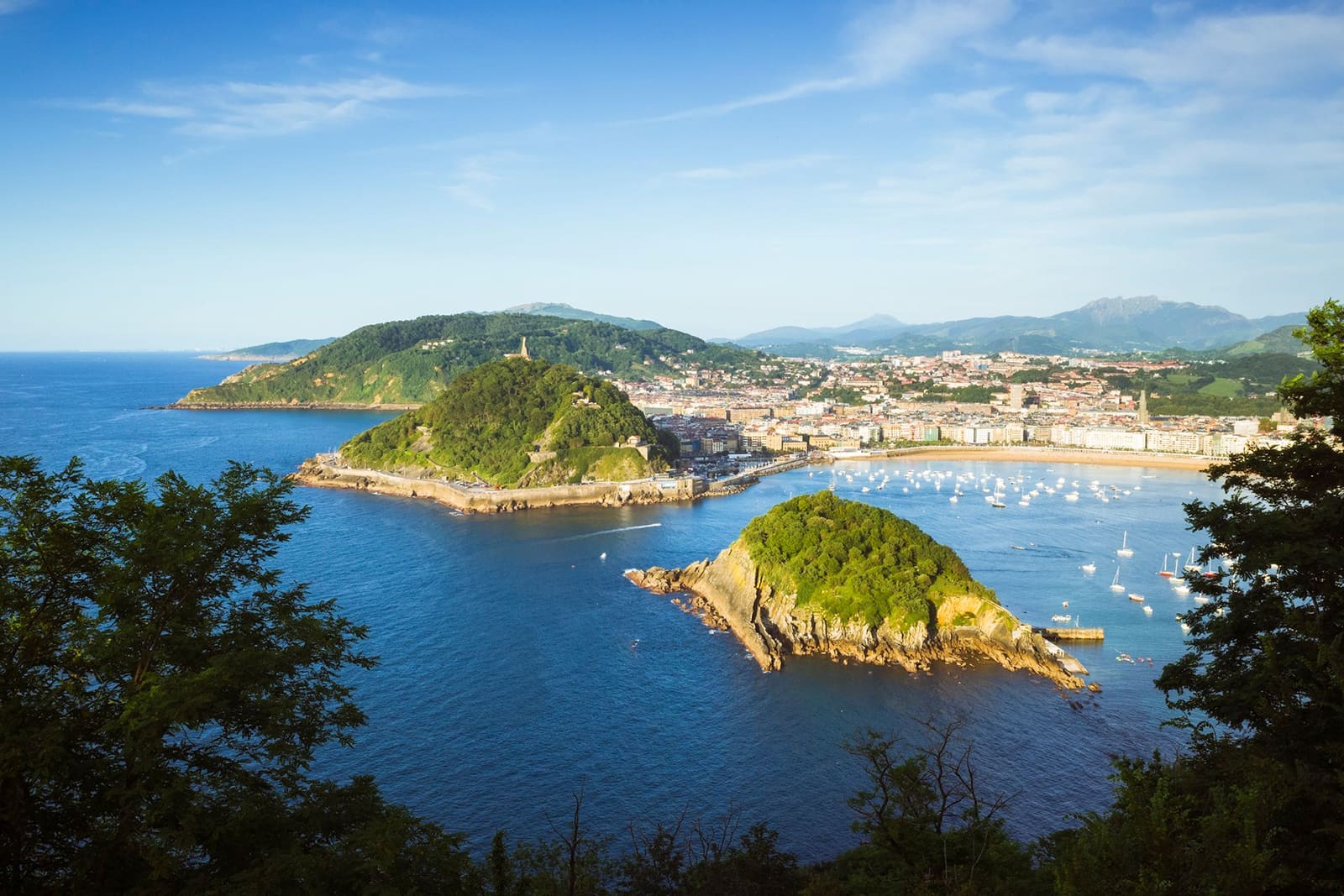
La Concha, the city's most famous beach, shrinks dramatically at high tide. If you set up your towel without checking the tide schedule, you might find yourself squeezed into a narrow strip of sand or forced to move as the water rises.
Several apps track tide times, and locals consult them before heading to the beach. Windguru is particularly popular because it predicts rain more accurately than standard weather apps.
At high tide, La Concha becomes overcrowded. That's when locals head to Ondarreta or Zurriola, the city's other two main beaches.
Cycling Infrastructure Is Serious Business
The city center is flat, and parking is restricted, so many residents bike. The bike lane, called the bidegorri (red path in Basque), is marked with red pavement and signage.
If you use it, stay right and pass on the left. If you're walking, look both ways before crossing a bidegorri. Cyclists here don't slow down for pedestrians who wander into the lane, and they won't hesitate to let you know when you're in the way.
Transportation Runs on Local Systems
Taxis don't stop on the street. They only pick up passengers from designated taxi stands or by phone. During summer or around weekend mealtimes, getting through to the dispatch line can be nearly impossible.
Uber operates here but is equally unreliable. The city bus system, by contrast, runs consistently and is widely used by residents. If you need to cross town, the bus is often faster and less frustrating than waiting for a ride.
The Cheesecake Situation Is Specific
Basque burnt cheesecake has become a global phenomenon, and San Sebastián now has dozens of places selling versions of it. Most are cheap imitations trying to capitalize on the trend.
The original was created at La Viña, a bar in the old town. It's crustless, caramelized on top, and creamy inside. If you're going to eat one Basque cheesecake, make it that one.
One other version worth trying is at Bertakoteka, where the cheesecake is creamier and almost savory. Beyond those two, most other versions are skippable.
Surf Culture Has a Hierarchy
Zurriola beach is the main surf spot, with waves that can reach over three meters in winter. The surf community here is tight-knit, and there's an informal pecking order in the water.
Give way to surfers who are more skilled. Respect the local crews who surf here year-round. If you don't, you'll hear about it, sometimes aggressively.
When Zurriola's waves get too big, surfers move to La Concha, which is flatter and more forgiving under normal conditions. Knowing when to switch beaches is part of the local surf literacy.
Why These Details Matter
San Sebastián isn't a difficult city to visit, but it rewards those who pay attention. The customs here aren't arbitrary; they've evolved to manage limited space, unpredictable weather, and a deep cultural identity that locals are protective of.
Tourism brings money and attention, but it also brings friction. Visitors who move through the city without understanding its rhythms stand out, and not in a good way. Those who learn a few words of Euskera, respect the pintxo pace, and check the tide before heading to the beach find a city that opens up in return.
The goal isn't to pass as a local. That's impossible if you're not from here. The goal is to show you're paying attention, that you see the city as more than a backdrop for vacation photos. That effort, however small, changes how people interact with you.