A Biosphere Drawing Crowds
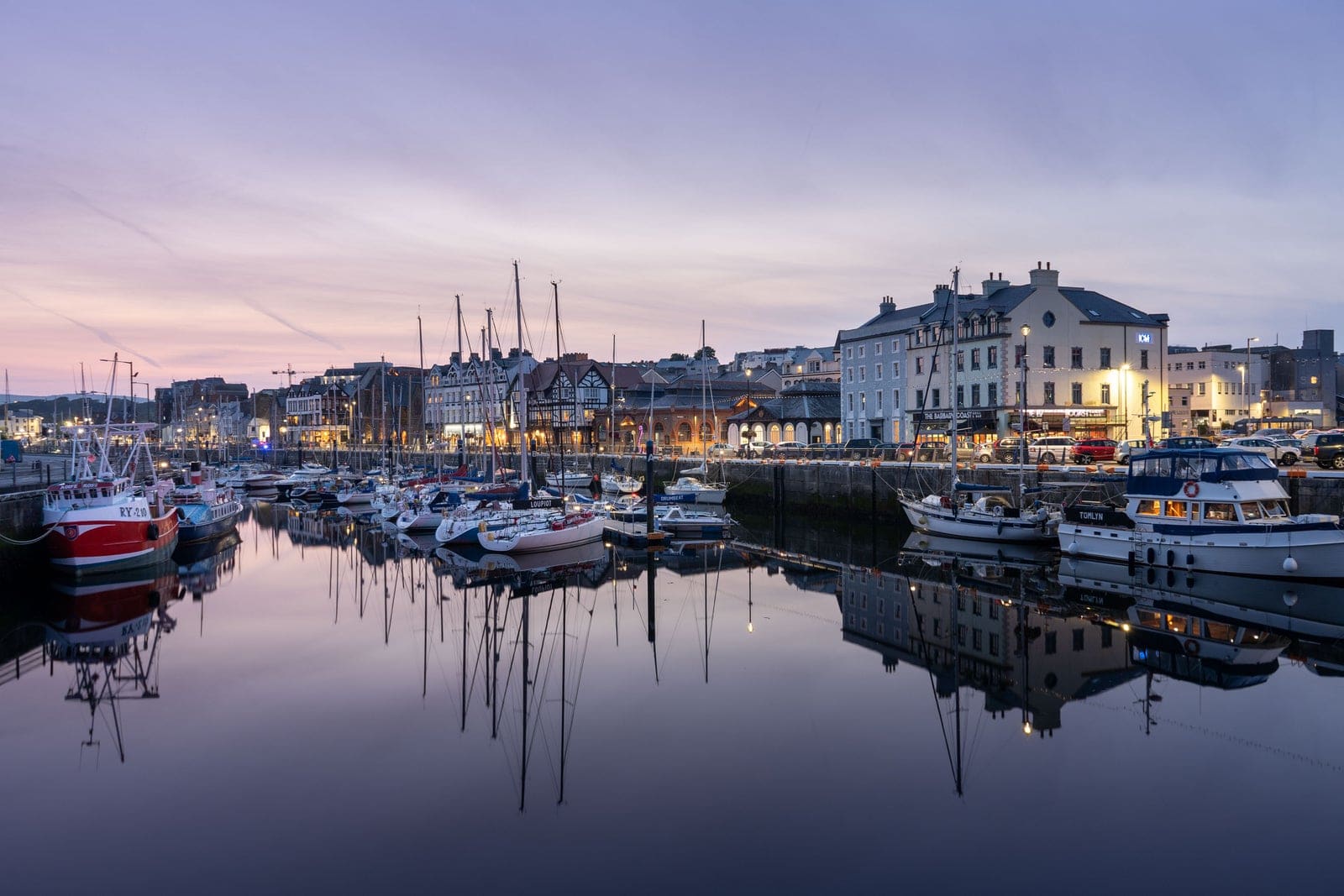
The Isle of Man pulled in more than 352,000 visitors last year, a seven percent climb from the year before. That traffic pushed the island's tourism sector to a record £433 million in value, according to figures from Visit Isle of Man. The jump marks a near-doubling since 2018, when tourism accounted for £222 million.
The self-governing territory in the Irish Sea holds a distinction few places can claim: it is the first entire nation designated a UNESCO Biosphere. The recognition underscores its mix of coastal stretches, heather moorlands, and wooded valleys. But ecology is only part of the draw. The island hosts the TT motorcycle race each summer, a magnet for motorsport enthusiasts. Viking and Celtic heritage sites dot the landscape, and seafood restaurants have built a following among food-focused travelers.
Value Over Volume
The steepest revenue increase came between 2024 and 2025, a £107 million year-on-year difference. Visit Isle of Man attributes the growth not just to headcount but to what visitors spend once they arrive. Average spend per visitor has already surpassed a target originally set for 2032, even after adjusting for inflation.
Deborah Heather, who leads Visit Isle of Man, pointed to satisfaction rates as another indicator. Visitor satisfaction hit 99.2 percent, translating to what the organization describes as a near-perfect Net Promoter Score. The emphasis on value rather than sheer numbers reflects a strategy aimed at sustaining benefits for residents and businesses without overwhelming infrastructure or eroding the visitor experience.
Culture as Currency
The island's UNESCO listing highlights a "healthy resurgence" of Manx Gaelic. Two primary schools now teach exclusively in the language, a shift that signals both preservation and active use. Cultural events like Yn Cruinnaght, a Celtic gathering, and Oie Voaldyn, a fire festival held each May, attract visitors interested in traditional customs. These events offer a window into practices that predate modern tourism but now help sustain it.
The interplay between heritage and contemporary visitor interest is not without tension. Cultural festivals risk becoming performance rather than practice when tourism becomes the primary audience. But the island's approach appears to prioritize community continuity alongside visitor access, a balance that can be difficult to maintain as revenue grows.
What It Means for Small-Island Tourism
The Isle of Man's trajectory offers a case study in how smaller destinations can scale tourism without losing character. The focus on ecological recognition, cultural authenticity, and visitor satisfaction over raw arrivals suggests a model that prioritizes long-term resilience. Whether that model holds as numbers continue to climb remains to be seen. Infrastructure strain, housing pressure, and the risk of cultural dilution are common side effects of rapid tourism growth, even when satisfaction scores stay high.
For now, the island's tourism board is betting that quality metrics can guide growth without triggering the backlash seen in other popular destinations. The 95 percent revenue increase since 2018 has been absorbed without public reports of overtourism, though the next phase of expansion will test whether that remains true. The gap between 2024 and 2025 revenue was the largest on record, a pace that may not be sustainable without adjustments to capacity or strategy.