A Strategic Bet on South Florida
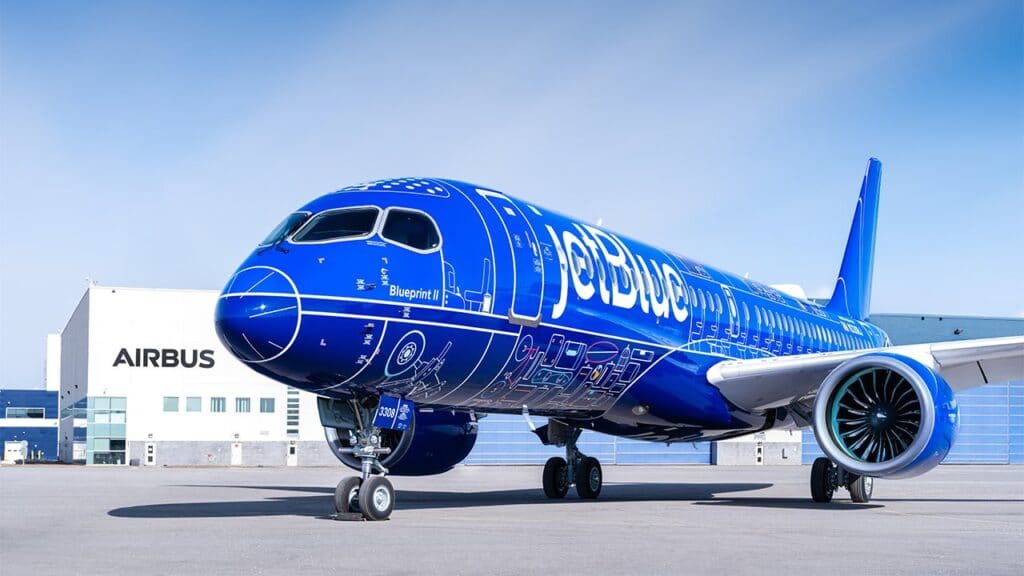
JetBlue has quietly turned Fort Lauderdale-Hollywood International into its most ambitious Florida operation. The airline now operates nearly 130 daily departures this summer, a figure it plans to push beyond 150 by December. That makes it the airport's largest carrier by flight count, a position it has secured through a phased rollout of 14 new destinations over the next six months.
The expansion is both rapid and deliberate. Compared to the same period last year, daily departures have jumped 75 percent. For travelers, that translates to more flexibility in booking and a wider range of nonstop options, particularly to secondary cities that have historically required connections.
Eight Routes Already in the Air
The initial wave of service launched this summer covers a mix of business markets, leisure destinations, and regional gateways. Passengers can now fly nonstop from Fort Lauderdale to Chicago O'Hare, Cleveland, Detroit, Charlotte, Nashville, Baltimore, Houston Intercontinental, and Ponce in Puerto Rico.
The selection reflects a strategy that goes beyond the usual beach-to-beach leisure routes. Chicago and Houston open up corporate travel, while Cleveland and Detroit tap into Midwest demand that has often been underserved from South Florida. Charlotte and Nashville cater to both business and weekend getaway traffic, and Ponce adds a smaller Puerto Rican market to the airline's existing San Juan service.
For frequent fliers, the expanded schedule means more same-day options and tighter connections if Fort Lauderdale becomes a stopover. For occasional travelers, it means fewer layovers and shorter total travel times.
Six More Cities Coming Soon
The second phase will add six destinations over the coming months. Indianapolis and Columbus, Ohio, will join the domestic roster, filling gaps in the Midwest network. On the international side, JetBlue will introduce service to Cali and Barranquilla in Colombia, along with Caracas, Venezuela.
The Colombia routes are particularly notable. Cali is the country's third-largest city and a commercial center, while Barranquilla serves the Caribbean coast and has seen growing demand from the Colombian diaspora in South Florida. Caracas is a more complex market, given Venezuela's economic and political volatility, but it has historically drawn strong traffic from Miami and Fort Lauderdale due to family ties and business links.
The timing of these launches has not been specified, but the airline has indicated they will roll out before the end of the year. That staggered approach allows JetBlue to test demand and adjust frequencies without overextending resources.
Premium Cabins on Transcontinental Flights
Starting November 19, JetBlue will introduce its Mint service on a new route to San Diego. According to the airline, this will be the only lie-flat option between Fort Lauderdale and San Diego, a distinction that could appeal to business travelers and those willing to pay for comfort on a six-hour flight.
Premium Mint flights to Los Angeles and San Francisco will follow this winter. Transcontinental routes have become a key battleground for premium revenue, and JetBlue's Mint product has earned a reputation for undercutting legacy carriers on price while offering comparable amenities. The addition of these routes from Fort Lauderdale suggests the airline sees demand beyond its traditional New York and Boston hubs.
The move also positions Fort Lauderdale as a true alternative to Miami for West Coast travel. While Miami has long dominated South Florida's long-haul market, Fort Lauderdale's lower airport congestion and JetBlue's growing network could shift some of that traffic north.
Community Investment Alongside Growth
JetBlue announced that its foundation awarded $130,000 in grants to South Florida organizations focused on STEM education and youth development. Recipients include the Boys & Girls Clubs of Broward County and Millennium 6-12 Collegiate Academy.
The grants are part of a broader effort to tie the airline's commercial expansion to local community benefit. For JetBlue, which employs crewmembers based in South Florida, the investment is both a goodwill gesture and a long-term workforce strategy. By supporting STEM programs, the airline is building a pipeline for future aviation professionals, from pilots to engineers to ground operations staff.
It is a familiar playbook for airlines expanding into new hubs. The financial commitment is modest relative to the scale of the flight expansion, but it signals an intention to be more than a transient operator. Whether that translates into sustained support will depend on how the Fort Lauderdale operation performs over the next few years.
What It Means for Travelers
The Fort Lauderdale expansion reshapes JetBlue's Florida footprint. The airline has historically concentrated its operations in Orlando and, to a lesser extent, Tampa. By making Fort Lauderdale its largest Florida hub, JetBlue is betting that South Florida can generate enough origin-and-destination traffic to support 150-plus daily flights, even as it competes with Spirit, Southwest, and legacy carriers.
For passengers, the benefits are straightforward: more nonstop routes, more departure times, and the introduction of premium seating on key transcontinental flights. For the broader South Florida travel market, it intensifies competition, which could put downward pressure on fares or prompt other carriers to add service.
The real test will come in the off-peak months. Summer is Fort Lauderdale's high season, driven by European visitors and domestic leisure travel. If JetBlue can sustain high load factors through fall and winter, the expansion will likely stick. If demand softens, the airline may scale back frequencies or defer some of the planned international routes.
For now, the schedule is live, the planes are flying, and Fort Lauderdale has a new heavyweight in its terminal lineup.