A Sharp Drop, Then a Faster Climb
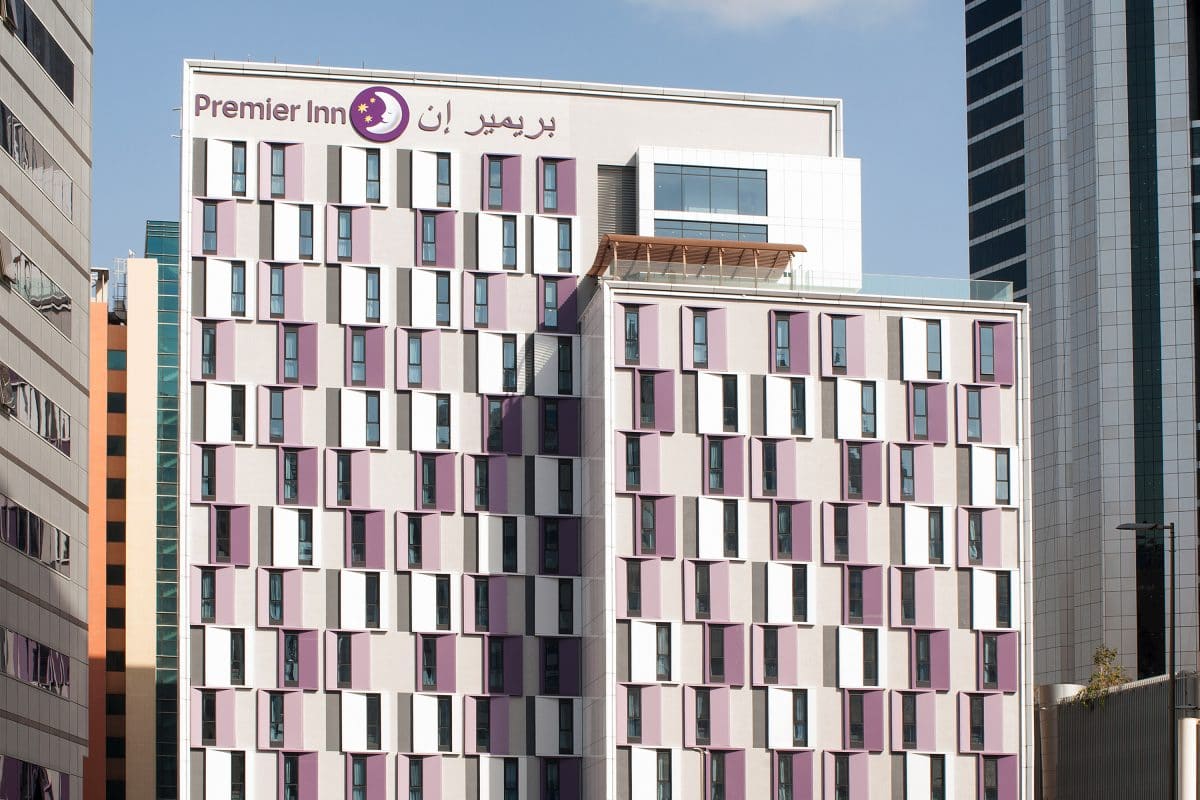
When regional conflict disrupted Gulf travel in March, Premier Inn saw its Middle East occupancy collapse to 50 percent. The UK-based mid-market chain operates eleven properties across the UAE and Qatar, concentrated in Dubai, Abu Dhabi, and Doha. April and May looked similarly grim, with revenue down 68 percent in April alone.
By July, occupancy had recovered to 78 percent. Revenue was still down 11 percent year-on-year, but the trajectory pointed upward. The speed of that rebound offers a window into how different hotel segments absorbed the shock and what that means for operators placing bets on the region's next phase.
Two Tiers, Two Strategies
The data suggests a split in how hotels navigated the downturn. Mid-market properties like Premier Inn maintained higher occupancy rates during the worst months, even as revenue took a hit. Luxury hotels, by contrast, saw steeper occupancy declines but managed to protect their average daily rates.
That divergence reflects different guest profiles and booking behaviors. Business travelers and cost-conscious leisure visitors kept filling mid-tier rooms, willing to travel if the price made sense. Luxury guests, often booking longer lead times and more discretionary trips, pulled back faster but didn't chase discounts when they did return.
The pattern held across most Gulf markets between March and June, according to industry research. It's a reminder that resilience doesn't look the same at every price point. Mid-market operators absorbed volume; luxury brands defended margin.
Expansion Plans Didn't Pause
Premier Inn isn't slowing its regional ambitions despite the turbulence. The brand is eyeing Saudi Arabia, where mid-market hotel supply remains thin relative to the government's tourism targets. The kingdom's push to diversify its economy has created a gap between luxury mega-projects and budget options, leaving room for operators willing to serve the middle.
Whitbread, Premier Inn's parent company, has been shifting toward leasehold and asset-light models in recent years. That approach reduces upfront capital risk and allows faster scaling, particularly in markets where real estate costs and regulatory complexity can slow development. The Gulf fits that profile.
The question is timing. Saudi Arabia's hotel pipeline is crowded with announcements, but many projects remain speculative or dependent on infrastructure that hasn't materialized. Entering early means less competition for sites and partnerships, but it also means betting on demand that hasn't fully proven itself outside Riyadh, Jeddah, and a handful of event-driven destinations.
What Recovery Depends On
July's occupancy rebound coincided with the return of regional travel confidence and the start of summer travel patterns. But sustaining that momentum through the rest of the year will likely hinge on the winter event calendar, a critical revenue driver for Gulf hotels.
If major conferences, sporting events, and festivals proceed as planned, properties across segments should see strong fourth-quarter performance. If event organizers hesitate or attendee appetite softens, the recovery could stall. Mid-market hotels, with their reliance on volume and shorter booking windows, would feel that shift quickly.
The Gulf's hotel market has proven capable of sharp rebounds before. The region recovered faster than many expected after the 2020 pandemic collapse, driven by government investment, aggressive airline capacity, and a willingness to host events when other regions remained cautious. But that playbook assumes stability, or at least predictability.
Reading the Signals
Premier Inn's numbers offer more than a recovery story. They sketch a map of where demand held and where it fractured. Mid-market occupancy resilience suggests a base of price-sensitive but committed travelers, the kind of demand that doesn't vanish entirely even when headlines darken. Luxury rate protection points to a smaller but more insulated customer segment, one that returns on its own terms.
For operators and investors, the takeaway isn't that one segment outperformed the other. It's that each responded differently, and those differences carry forward. Mid-market growth in the Gulf will depend on volume and accessibility, on being present in enough locations to capture transient demand. Luxury growth will depend on differentiation and scarcity, on maintaining pricing power even when occupancy dips.
The next test will be whether those strategies hold as supply increases. Saudi Arabia alone has tens of thousands of hotel rooms in development, spanning every tier. When those rooms come online, the operators who understood their segment's risk profile during the downturn will have an edge over those who simply followed the headlines.