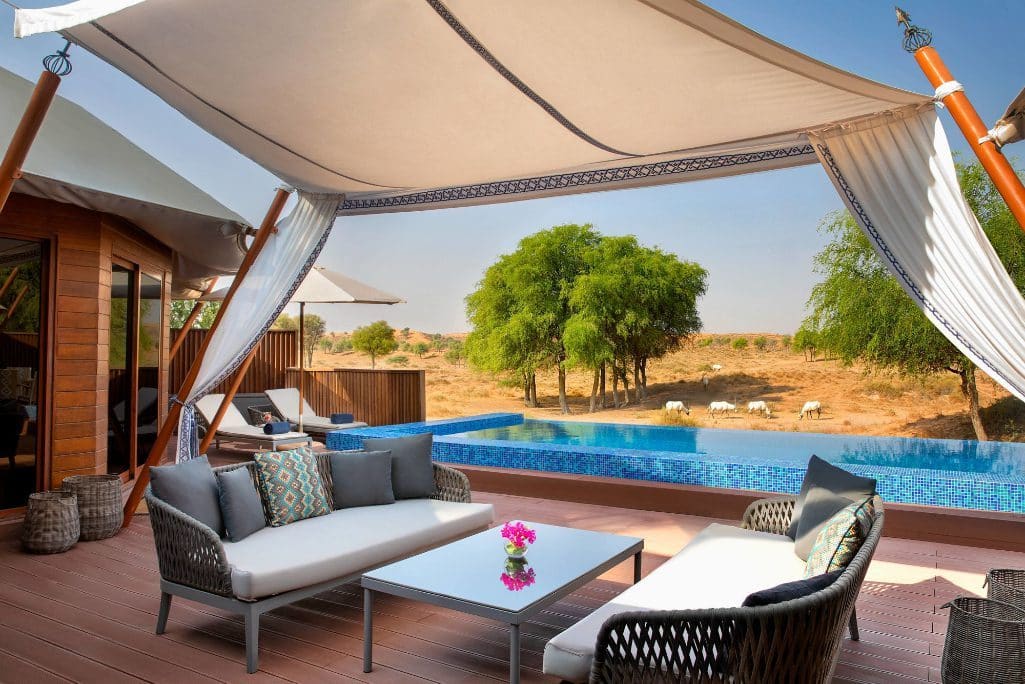
A Gamble on Upmarket Guests
Ras Al Khaimah is pushing forward with an ambitious repositioning: transforming itself from a budget-friendly escape into a destination built for affluent travellers. The emirate currently has about 8,700 hotel rooms, of which just over 13 per cent fall into the luxury five-star bracket. By the end of the decade, officials want eight out of every ten keys to sit in the premium category.
That shift hinges on a pipeline of roughly 8,000 new rooms scheduled to open through 2030, lifting total inventory to around 16,000 keys. The Ras Al Khaimah Tourism Development Authority is lining up brands that cater to travellers willing to pay more: Nobu, Janu, Fairmont, W Hotels, Four Seasons, and a mountain lodge concept from Mantis are all on the roster.
The largest single project is the Wynn Al Marjan Island casino resort, now expected to open in September 2027 rather than the initial first-quarter target. That property alone will add 1,530 keys and introduce gaming to the UAE hospitality mix, a move that could reshape how the region competes for leisure spending.
Building Before Demand Returns
The timing raises questions. International arrivals to Ras Al Khaimah have been slow to recover, and the emirate is committing capital to a heavily premium pipeline without certainty that high-spending visitors will materialise at the pace required to fill the new supply.
According to Phillipa Harrison, chief executive of the tourism authority, the strategy assumes that travellers from markets such as China and India will eventually shift from small contributors to significant drivers of demand. Neither market currently generates substantial volume to the emirate, and converting intent into bookings will require infrastructure, air connectivity, and sustained marketing.
The risk is that supply arrives faster than demand. If international recovery lags or if travellers continue to favour Dubai and Abu Dhabi, Ras Al Khaimah could face oversupply in segments where occupancy and rate discipline are harder to maintain. Premium inventory typically requires higher operating costs and more discerning guests, which means less flexibility when markets soften.
A Wave of Openings Starting Now
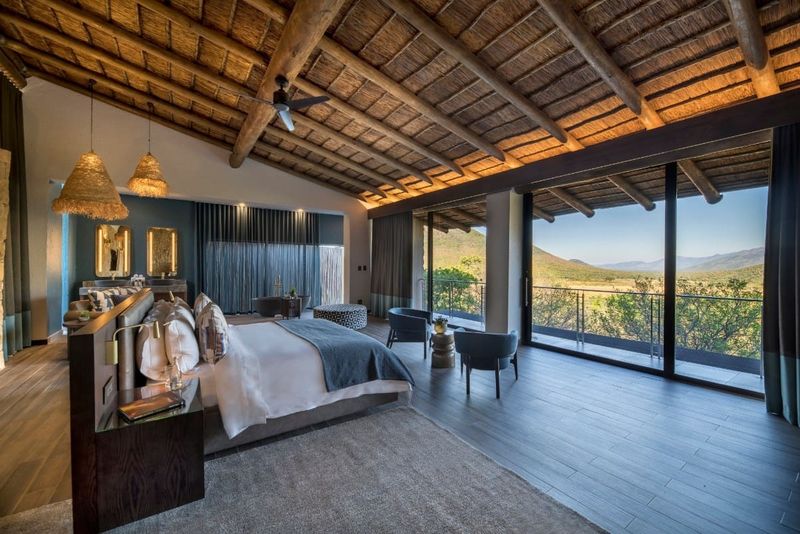
The 258-key Rotana Ras Al Khaimah - The Mangroves opened this year, marking the start of the development cycle. Next year brings the 70-key Saij Mountain Lodge by Mantis, perched on Jebel Jais, the UAE's highest peak, alongside the delayed Wynn resort. The year after that, the pipeline accelerates with a cluster of internationally recognised names.
The concentration of openings in 2028 and 2029 means the emirate will absorb a large volume of new rooms in a short window. That puts pressure on the destination to build awareness, secure airlift, and differentiate itself from neighbouring emirates that already have established luxury offerings and deeper pools of repeat visitors.
Ras Al Khaimah has natural assets: mountains, coastline, and a quieter pace than Dubai. Whether those attributes translate into sustained occupancy at premium rates depends on execution across marketing, distribution, and guest experience, all of which require coordination between developers, operators, and the tourism authority.
What the Wynn Property Changes
The Wynn resort is more than a large hotel. It introduces casino gaming to the UAE, a category that has long been absent from the Gulf hospitality model. If the property succeeds in drawing high-rollers and entertainment-focused travellers, it could shift perceptions of Ras Al Khaimah from a secondary stopover to a leisure destination in its own right.
But casinos also bring complexity. They require regulatory frameworks, staff training, and careful positioning to avoid alienating markets or segments that prefer family-oriented or cultural tourism. The emirate will need to balance the appeal of gaming with the broader narrative it is building around nature, adventure, and wellness.
The Wynn opening also tests whether a single anchor property can lift an entire destination. Other markets have seen mixed results: some casino resorts become isolated enclaves, while others catalyse wider development and visitation. Ras Al Khaimah's outcome will depend on how well the property integrates with the rest of the emirate's tourism infrastructure.
Financing and De-Risking the Pipeline
An 8,000-key pipeline requires substantial investment, and much of it is coming from developers betting on long-term returns rather than immediate cash flow. If demand recovers more slowly than forecast, some projects may face delays, restructuring, or reduced scope.
The tourism authority has not disclosed how much of the pipeline is backed by committed financing versus speculative development. In markets where supply outpaces demand, the usual outcome is downward pressure on rates, which erodes returns for owners and makes it harder to justify future investment.
Ras Al Khaimah also competes for capital with other UAE destinations and regional markets that offer similar product at different price points. Developers have options, and if early projects underperform, the later phases of the pipeline could be postponed or cancelled.
The Conversion Challenge
Turning China and India into meaningful source markets by 2030 is not automatic. Both countries have large outbound travel populations, but competition for those travellers is intense. They have established preferences, price sensitivity, and expectations shaped by experiences in Southeast Asia, Europe, and other parts of the Middle East.
Ras Al Khaimah will need to offer compelling reasons to choose it over alternatives: competitive airfares, visa facilitation, culturally relevant services, and attractions that align with what those travellers seek. The emirate currently lacks the air connectivity and brand recognition that Dubai enjoys, and building both takes time and sustained investment.
The risk is that the emirate ends up with luxury supply designed for markets that do not yet have the awareness or access to fill it. Premium inventory built for international guests but occupied by domestic or regional visitors at discounted rates is a scenario that other destinations have struggled to reverse.
A Bet on the Next Decade
Ras Al Khaimah is making a long-term wager that the UAE's tourism growth will eventually spill beyond Dubai and Abu Dhabi, and that travellers will seek out quieter, less crowded alternatives. The emirate has the land, the regulatory support, and the ambition to build a premium destination from the ground up.
Whether it has the demand to match remains the open question. The next few years will reveal whether the pipeline was timed correctly or whether Ras Al Khaimah built too much, too fast, for a market that was not yet ready.