A Stadium Legacy Repurposed
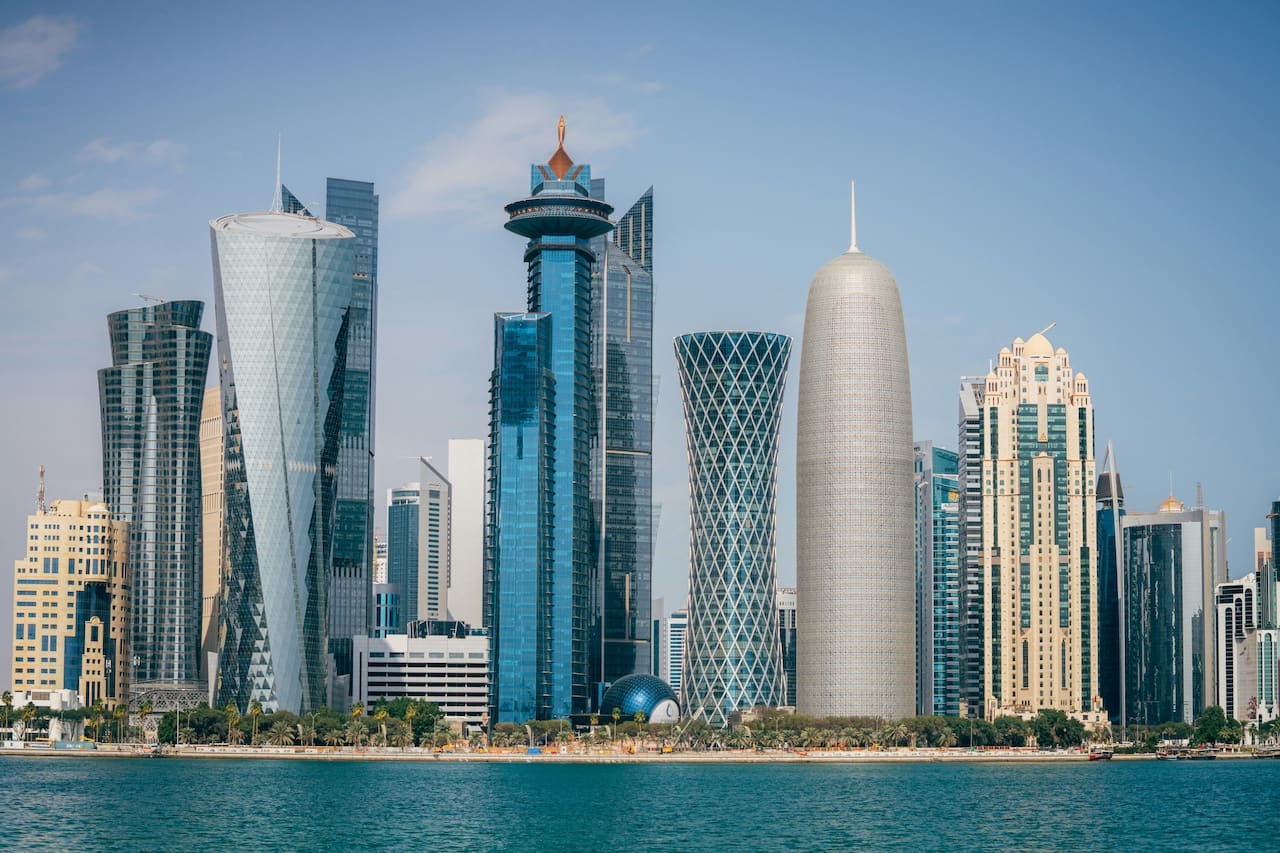
Qatar is running 560 events between now and late 2027, a packed schedule designed to keep the country on travellers' radars long after the final whistle of the 2022 FIFA World Cup. The programme spans motor racing at Lusail, a youth football world championship, tennis tournaments, the FIBA Basketball World Cup, a Formula 1 round, and a triathlon finale. Between the big-ticket fixtures, Visit Qatar has slotted in concerts, culinary showcases, shopping promotions and art exhibitions to widen the appeal beyond sports fans.
The calendar includes appearances by Hans Zimmer, Angham and Saint Levant, alongside the Qatar International Food Festival and Art Basel. Nearly 780 organisations contributed to the line-up, and Qatar plans to advertise it through embassies, digital platforms, print media and Qatar Airways' inflight channels.
The drive is economic. Tourism is targeted to contribute 12 per cent of national output by 2030. More than five million people visited in 2025, according to official figures, while hotel occupancy sat above 71 per cent and the sector employed over 163,000 people. The events calendar is intended to spread demand across seasons and broaden the visitor base beyond Gulf residents and business travellers.
Infrastructure Designed for Flow
Qatar is backing the programme with practical systems. A unified ticketing platform covering multiple events is expected by the end of 2026. The Hayya entry system, introduced for the World Cup, continues to streamline visas and visitor incentives. New partnerships with Qatar Rail aim to link the calendar directly to Doha Metro and Lusail Tram routes, shortening journeys between the airport, hotels and venues.
Qatar Airways is the central thread. The carrier expects to reach more than 170 destinations and operate nearly 1,800 weekly flights through Hamad International Airport by December 2026, with additional frequencies to Europe, Africa, the Asia-Pacific region and the Americas. The airline is also rolling out free Starlink connectivity across its widebody fleet, a feature that strengthens Doha's position as a transfer hub for passengers on long intercontinental journeys.
Airspace Complications Linger
Yet the operating environment remains uneven. As of late September 2026, Gulf airports were functioning, but flight operations had not fully normalised. European aviation safety guidance recommended that affected airlines avoid Persian Gulf waters within the Bahrain, Kuwait, Qatar and United Arab Emirates flight information regions unless required for landing or departure. Kuwait continued to restrict overflights.
Carriers were resuming schedules at different paces, navigating tactical rerouting, compressed flight corridors, air traffic congestion and widespread interference with global navigation satellite systems. For passengers, an open airport does not ensure that every codeshare or connecting itinerary will depart as planned.
A Test of Resilience
The events calendar is both an attraction and a signal. Qatar is offering reasons to visit throughout the year, supported by purpose-built venues, integrated public transport and a high-frequency home airline. But the programme's reach depends on factors beyond the country's borders: stable airspace access, reliable schedules from partner carriers, and traveller confidence that bookings will hold without last-minute changes.
The infrastructure is ready. The question is whether the operating environment will settle enough to let Qatar convert ambition into sustained arrivals. For now, the country is filling the calendar and hoping that density and variety will outweigh the uncertainty that still hangs over Gulf aviation.