The Current Picture
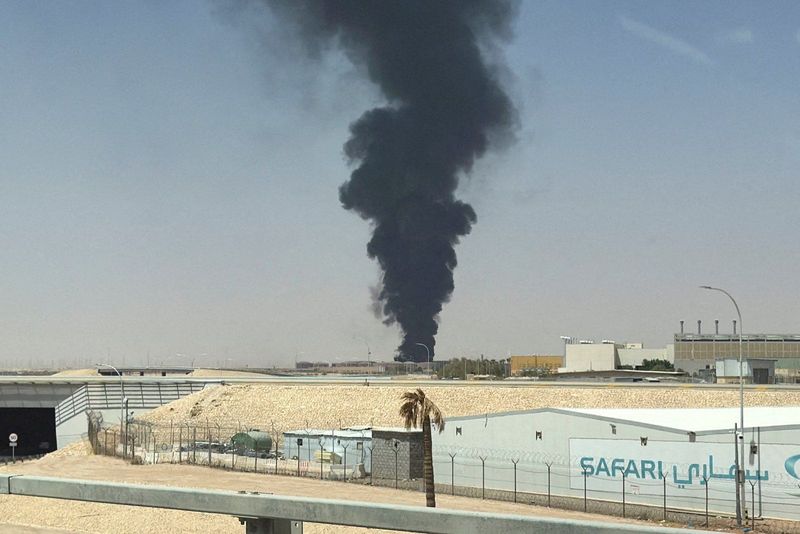
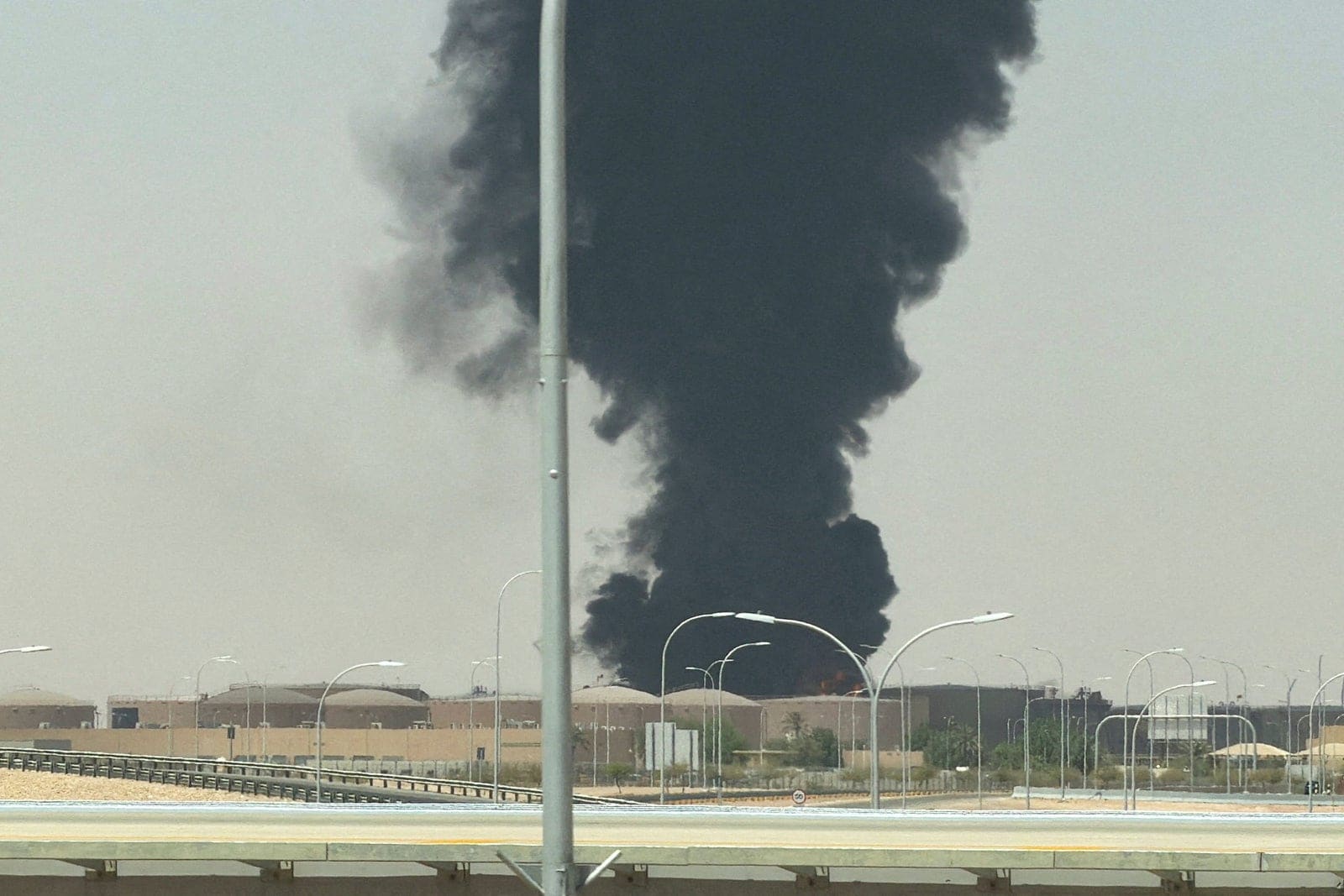
Travellers planning trips to Dubai and Abu Dhabi face a familiar tension: the Gulf states themselves remain open and operational, while security incidents unfold in neighbouring countries. Recent Houthi attacks on Riyadh, including strikes on the Saudi capital on 19 September and the reported downing of a fighter jet in Yemen's Marib province, have raised questions about whether holidays to the United Arab Emirates should proceed as planned.
The UK Foreign Office has not altered its UAE travel guidance in response to the latest developments, according to updates current as of 20 September. The advisory, most recently revised in mid-June, no longer recommends against non-essential travel to the Emirates. That marks a shift from earlier in the year, when months of restrictions followed the outbreak of conflict between Iran and the United States in February.
Still, the guidance carries a warning: the Middle East situation remains unpredictable. British nationals in the region are advised to stay informed, keep travel documents current, and be prepared for possible disruptions including flight cancellations and airspace closures.
What Travellers Should Know
The Foreign Office continues to display crisis preparedness advice for anyone in the UAE or planning to visit. Recommendations include monitoring local news, following instructions from authorities, and registering for travel alert emails. If fighting intensifies, visitors should avoid areas near military or security installations and shelter indoors if authorities issue such guidance.
The advisory notes that since early July, Iran has carried out strikes and retaliatory actions across the region targeting US military and civilian infrastructure, and warns of the risk of further attacks. Before a ceasefire, Iranian officials had indicated intentions to strike locations linked to the United States and Israel, including businesses and institutions.
Commercial flights between the UK and the UAE resumed as of 20 September, though several carriers have cancelled or temporarily suspended certain routes in the wider region. British Airways and Virgin Atlantic are among those adjusting schedules. Flights continue to operate to and from Riyadh's airport despite the weekend strikes.
Under UK air passenger rights rules, travellers whose flights are cancelled are entitled to be rebooked on the next available service with any carrier that has capacity.
The Insurance and Refund Question
Because the Foreign Office does not advise against travel to the UAE, most travel insurance policies should remain valid for trips there. Policies typically become void only when travellers visit destinations subject to a formal warning against all or all-but-essential travel.
Package holiday operators are likely to resume normal operations. At present, travellers who choose to cancel do not have automatic grounds for a refund, nor can they claim costs back through insurance. However, if official guidance shifts to recommend against all travel, holidaymakers can cancel package trips without penalty and receive full refunds.
The situation underscores a recurring challenge for travellers to the Gulf: proximity does not equal direct risk, but it does mean staying informed and flexible. The UAE's tourism infrastructure remains robust, and its cities continue to draw visitors for business and leisure. Yet the broader regional context requires a level of vigilance that was less common before February's escalation.
What This Means for Planning
For those with trips already booked, the advice is straightforward: keep an eye on official updates, confirm flight status before departure, and have contingency plans in place. The Foreign Office recommends signing up for email alerts and reviewing the crisis abroad guidance, which outlines steps to take if the situation deteriorates.
For those considering new bookings, the decision hinges on comfort with uncertainty. The UAE itself has not been a target of recent attacks, and daily life in Dubai and Abu Dhabi continues largely unaffected. But the regional environment is more volatile than it has been in years, and the possibility of sudden changes to travel advice or flight availability is real.
The broader pattern is worth noting: this is not the first time Gulf tourism has navigated geopolitical turbulence, and the industry has developed a certain resilience. Hotels, airlines, and tour operators in the Emirates are experienced in managing through periods of regional tension. That experience does not eliminate risk, but it does mean infrastructure and contingency planning are generally well-developed.
Travellers should also be aware that even in the absence of direct threats, knock-on effects such as airspace restrictions or carrier decisions to suspend routes can create logistical complications. Having travel insurance that covers trip interruption, not just cancellation, is worth considering.
The situation remains fluid. What is clear is that official guidance can change quickly, and travellers to the Gulf should be prepared to adapt plans on short notice. For now, the UAE remains accessible, but the wider region's unpredictability is part of the calculation.